The interplay between anthropomorphism and our understanding of historical figures is a tantalizing endeavor. With the advent of modern perspectives, we find ourselves questioning long-standing assumptions about how we perceive leaders, particularly emperors. The exploration of “The Emperor’s New Anthropomorphism” promises a radical shift in the lenses through which we view historical narratives, offering insights that are both stimulating and unfamiliar. This article ventures through the nuanced layers of this concept, allowing for a broader understanding of leadership and the complexities innate to it.
Anthropomorphism, fundamentally, is the attribution of human characteristics to non-human entities or abstract concepts. In historical contexts, this often translates to glorifying leaders, rendering them larger-than-life figures, sometimes detached from the very human experiences that shape their decisions. However, a contemporary reexamination invites us to dismantle these glorified depictions, enticing us to embrace a more nuanced portrayal of emperors, including their vulnerabilities and failures.
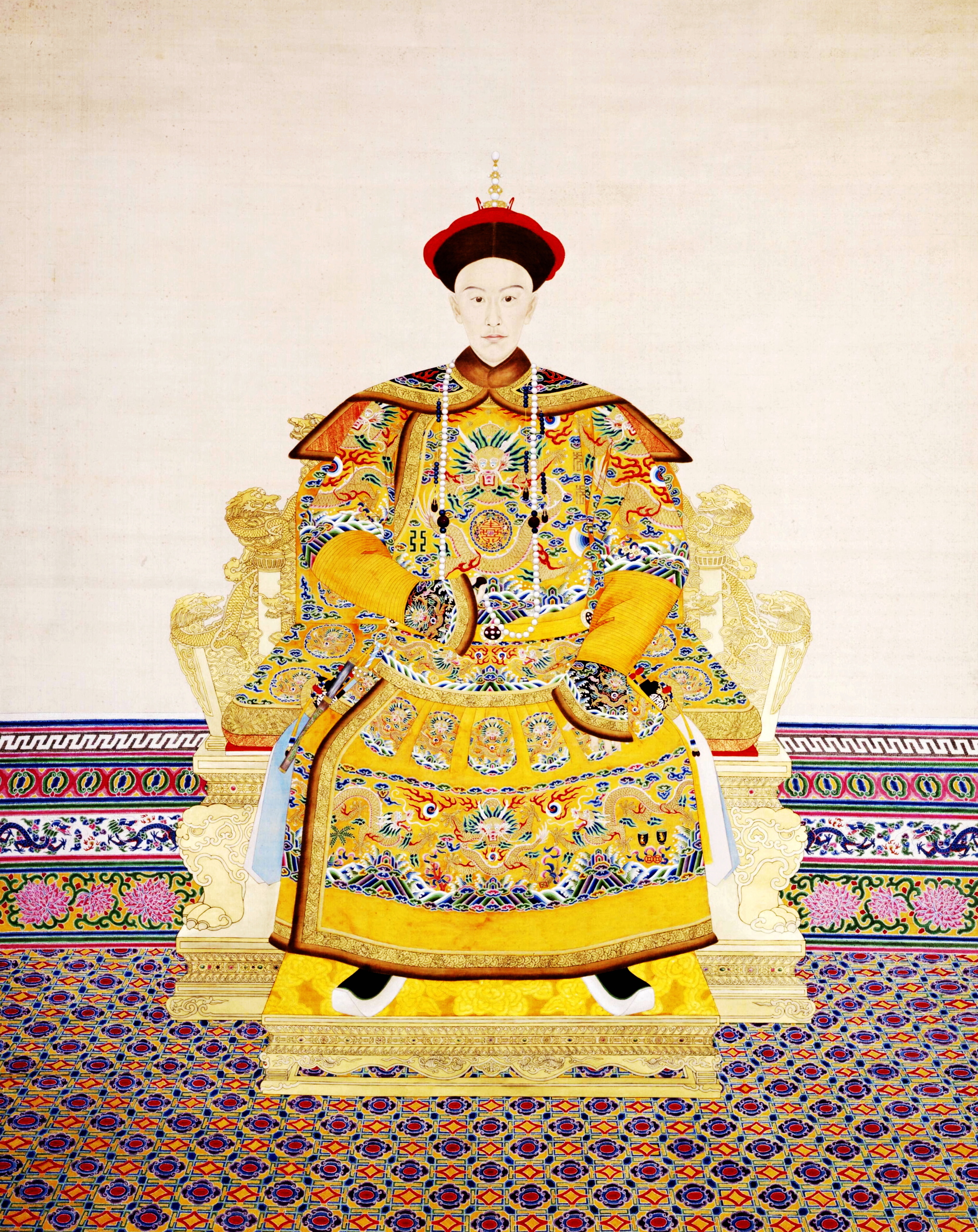
To embark on this intellectual journey, we must first unpack the archetype of the emperor in traditional narratives. The image often conjured involves a regal figure adorned with finery, commandingly ruling over vast territories. This portrayal perpetuates a sense of infallibility, rendering emperors as almost mythical entities, disconnected from the common populace—a paradigm that demands scrutiny. The challenge lies in recognizing that emperors, irrespective of their historical status, were human beings endowed with emotions, ambitions, and, importantly, flaws.
In examining the anthropomorphic shift, one must notice how the zeitgeist encourages a more democratized understanding of authority. This shift commences with the acknowledgment that those who wield power are not exempt from the very human experiences of doubt and remorse. It urges us to contemplate the personal lives of emperors, filled with intricate relationships, familial expectations, and societal pressures. Within this framework, one can scrutinize how an emperor’s childhood, education, and formative experiences can influence their reign and decision-making processes.
The cultivation of empathy serves as a vital aspect of this new anthropomorphic lens. By fostering a perspective saturated with understanding, we can appreciate the burden of leadership. For instance, how often do we consider the loneliness that accompanies such an exalted position? The psychological toll is profound; isolation can lead even the most esteemed rulers to make dissonant choices influenced by the overwhelming need for acceptance and legacy. With this in mind, followers and historians alike gain an enriched comprehension of these figures, viewing them through a prism of humanity that transcends mere achievements.
Moreover, this exploration poses an intriguing inquiry: how do the narratives of emperors shift within contemporary culture? The juxtaposition of traditional historical canon against modern reinterpretations allows for a dynamic discourse. Movies, literature, and artworks often opt to present historical figures in decidedly human terms—characters imbued with relatable flaws and personal crises. This artistic license fosters connection, engaging audiences on an emotional level that rigid historical accounts often fail to achieve.
While introspection becomes critical, one must also consider the implications of this anthropomorphism on societal discourse about leadership today. As the public yearns for authenticity in contemporary politicians, the need to reassess historical leaders becomes ever more pressing. The failures, weaknesses, and the imperfect decisions of emperors can serve as cautionary tales, illustrating the potent differences between the ceremonial and the pragmatic aspects of governance.
Examining the multifaceted nature of leadership through this anthropomorphic lens further leads us to consider the role of public perception. Emperors, much like modern leaders, were often at the mercy of their image. The rituals, the doctrines, and the spectacles of power they presented to the populace were curated to elicit reverence and adoration. However, when we challenge the binary of idolization versus vilification, we recognize that the truth exists somewhere in between. A well-rounded account will acknowledge praiseworthy decisions while also highlighting grave missteps, allowing history to serve as a teacher rather than a mere fable.
In drawing this exploration to a close, it becomes evident that the anthropomorphism of emperors, whether ancient or modern, invites us into a deeper narrative. It is a call to action for future historians, storytellers, and leaders alike to embrace a more comprehensive portrayal of power. By understanding emperors not as mere icons, but as complex individuals with multifarious experiences, we gain invaluable perspectives on the nature of authority and the qualities that foster successful governance.
It is in this spirit of authenticity that we must continue to challenge old assumptions and narratives. As we venture into this transformational intellectual landscape, we find that the journey itself is just as enriching as the destination. Thus, we not only broaden our understanding of the past but also reshape the landscapes of leadership in the future—fostering empathy, introspection, and a richer grasp of human experience, both in history and in our ongoing societal dialogues.