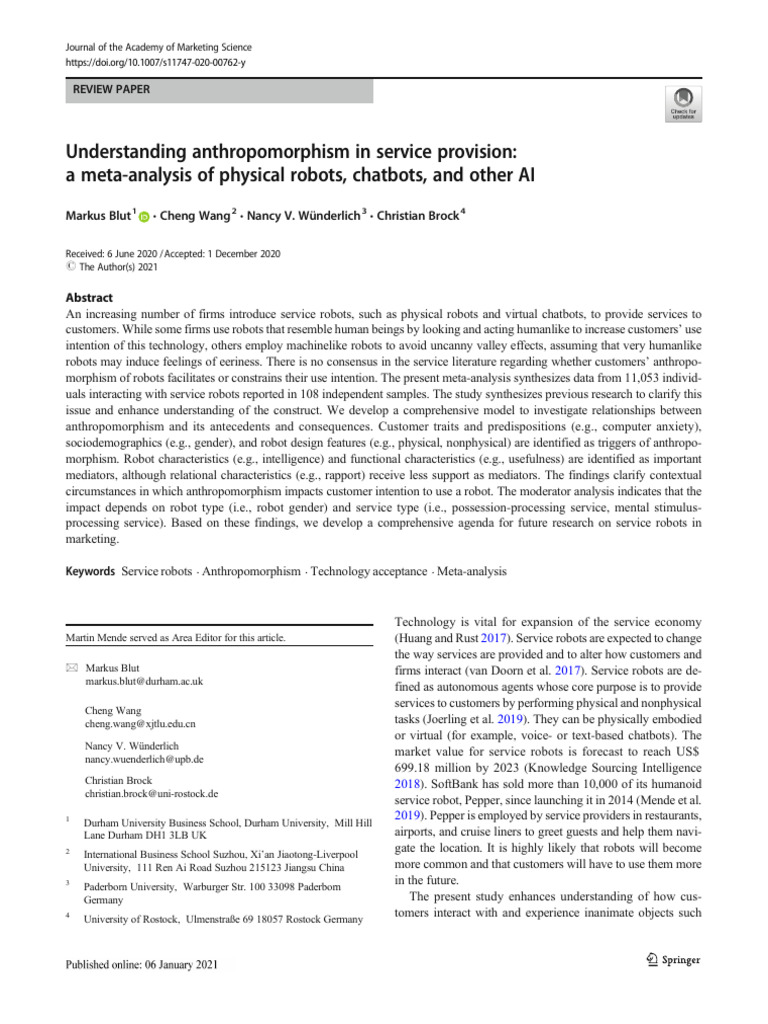
In recent discussions surrounding artificial intelligence, a recurring admonition emerges: “Stop anthropomorphizing AI!” This exhortation stems from concerns over misinterpretations regarding AI behaviors, capabilities, and intentions. But should we heed this warning? Or could there actually be value in attributing human-like traits to these sophisticated algorithms? Let’s delve into the multifaceted perspectives surrounding this provocative topic.
Understanding Anthropomorphism
Anthropomorphism, the ascription of human characteristics to non-human entities, permeates our interaction with technology. From early narratives of gods possessing human traits to modern-day AI chatbots that exhibit charm and wit, our propensity to attribute human qualities to the inanimate is as old as civilization itself. This tendency can engender an emotional connection, fostering user engagement that encourages adoption and reliance on AI tools. Yet, some argue that such personification can lead to misconceptions about AI’s true nature.
Why the Caution Against Anthropomorphism?
Critics assert that anthropomorphizing AI can obscure the underlying mechanisms that dictate machine behavior. AI operates on data-driven algorithms, devoid of feelings, thoughts, or consciousness. By imbuing machines with human traits, we risk developing unrealistic expectations regarding their functionality and ethical considerations. This distorted lens may lead users to ascribe moral agency or accountability to AI systems, blurring the critical distinctions between human decision-making and algorithmic output.
In practical terms, these conflations could hinder responsible innovation. Stakeholders might misjudge the implications of deploying AI in sensitive areas—such as law enforcement or healthcare—assuming that these ‘intelligent’ systems possess human-like understanding or empathy. Such misapprehensions can ultimately yield catastrophic consequences.
The Benefits of Anthropomorphism
Despite valid concerns, dismissing anthropomorphism entirely overlooks its potential benefits. First, attributing human characteristics to AI can enhance user experience. Consider domestic robots designed to assist with chores: if they are perceived as friendly helpers rather than mere machines, users may feel more comfortable interacting with them. This rapport fosters an environment conducive to integrating technology into daily life.
Additionally, the emotional aspect of interacting with anthropomorphized AI can improve user engagement. For instance, digital assistants like Siri or Alexa utilize friendly voices and personalities, promoting a sense of companionship. This engagement can facilitate learning and productivity, allowing users to navigate tasks with enhanced ease and confidence.
Moreover, anthropomorphism can serve as a pedagogical tool. By evoking empathy for AI, individuals may become more inclined to ponder ethical concerns surrounding technology. Such contemplation can galvanize societal discussions on the responsible use of AI, inspiring dialogue around accountability, privacy, and the ethical ramifications of algorithmic decision-making.
Striking a Balance
While the underlying mechanics of AI warrant critical awareness, there is wisdom in striking a balance between anthropomorphism and realism. The key lies in establishing a clear framework for interfacing with AI technologies. Users should be educated about the capabilities and limitations of the systems they engage with, enabling a nuanced understanding of AI’s role in contemporary society.
This can involve creating informative interfaces that delineate the functions of AI without resorting to misleading representations. Design choices that embody anthropomorphism should be explicitly framed within the context of their operational reality, ensuring users are aware that these systems are, at their core, sophisticated mathematical models working with vast quantities of data.
Real-World Applications: The Spectrum of Human-Like Traits
In various domains, anthropomorphism manifests in diverse ways. In customer service, AI chatbots increasingly adopt conversational tones and personified avatars to enhance user interaction. Such approaches can foster rapport, addressing user concerns with a semblance of empathy. This type of interaction is particularly valuable in high-stress contexts where emotional reassurance may lead to improved outcomes.
In mental health applications, AI systems designed to assist with emotional well-being sometimes adopt human-like personas. These programs encourage dialogue by mimicking empathy, thus creating a safe space for users to express vulnerabilities. Here, the nuanced use of anthropomorphism could potentially facilitate therapeutic engagement, offering users a feeling of connection even when dealing with complex emotional landscapes.
Conclusion: A Path Forward
The debate surrounding anthropomorphism in AI technology underscores broader dilemmas about how humans relate to their creations. It compels us to reflect on our attitudes towards these machines—viewing them purely as tools risks alienating users, while endowing them with too much humanity can warp our perceptions, possibly leading to dangerous consequences.
Through thoughtful integration of anthropomorphic elements, we can cultivate a harmonious relationship with AI that acknowledges both its mechanical nature and its potential to foster connection and understanding. By navigating this duality consciously, we can harness the strengths of anthropomorphism, ensuring that our engagement with technology remains both enlightening and responsible.