Anthropomorphism, the attribution of human characteristics to non-human entities, serves as a remarkable bridge between the realms of science and symbolic interpretation. This linguistic and conceptual practice has roots deep within our cognitive processes, compelling us to ascribe familiar traits to the unfamiliar, thereby facilitating comprehension in a seemingly indifferent universe. This article delves into the intricacies of anthropomorphism, examining its scientific underpinnings and symbolic relevance while addressing the reasons behind our enduring fascination with this phenomenon.
The Essence of Anthropomorphism
At its core, anthropomorphism allows us to engage with the world around us in a more relatable manner. By interpreting natural phenomena, objects, and even abstract concepts through a human lens, we can articulate emotions, intentions, and actions that resonate with our own experiences. Consider how we often assign personality traits to our pets or attribute emotions to a storm’s fury—it is an instinctive response, an innate psychological mechanism that aids in our understanding of complex realities. From ancient mythologies, where gods exhibited human-like characteristics, to modern storytelling, anthropomorphism enriches our narratives and endows them with emotional depth.
The Scientific Perspective
Scientifically, the phenomenon of anthropomorphism is often scrutinized through the lens of psychology and anthropology. Cognitive scientists suggest that our tendency to anthropomorphize is a reflection of our neural wiring; it stems from a survival instinct. Our ancestors’ ability to discern intentions and emotions in others—whether human or animal—allowed for more effective social interactions and heightened chances of survival. When faced with uncertainty, attributing human traits to an inanimate object or non-human animal can provide solace and clarity.
Research indicates that anthropomorphism is not merely a whimsical notion; it has significant implications in various fields of investigation. For example, in the realm of environmental science, understanding climate change through anthropomorphized narratives can enhance public engagement. Framing nature as a relatable character fosters empathy and motivates individuals to alter their behaviors by fostering an emotional connection with the environment.
The Symbolic Interpretation
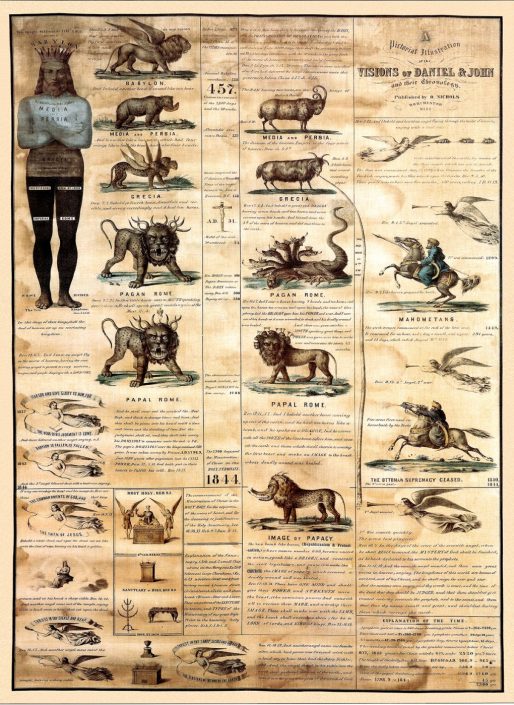
Transitioning to the symbolic dimension, we find that anthropomorphism can act as a profound conduit for exploring abstract concepts such as morality, love, and justice. In religious texts and philosophical discourses, divine entities often assume human-like forms and traits, thereby allowing complex principles to be examined and understood in more relatable terms. This symbolic interpretation can transform the way individuals perceive and interact with ethical dilemmas, infusing abstract ideas with tangible meaning.
Consider, for example, the representation of death as a scythe-wielding figure. Such imagery encapsulates cultural attitudes toward mortality, inviting contemplation on the inevitable passage of time while manifesting myriad fears and fascinations. This dichotomy encapsulates the interplay between horror and reverence, showcasing how anthropomorphism can serve as a mechanism for grappling with life’s most profound mysteries. It allows us to confront the unfathomable by rendering it accessible and digestible.
Fascination with Anthropomorphism
The evident allure of anthropomorphism extends beyond simple curiosity; it taps into a deep-seated need for connection and understanding. The innate human propensity to seek patterns and narratives compels us to find meaning where there might be none. We long for relationships and emotional ties, even with the inanimate. A plush toy or a beloved vehicle often embodies sentiments that transcend mere objects, becoming repositories for memories and feelings.
This emotional resonance is magnified when we consider the impact of anthropomorphism in popular culture. Animated films and literature frequently invoke anthropomorphized characters to convey moral lessons and examine the human condition. The vibrancy and relatability of these creations not only capture our imaginations but also provoke introspection regarding our values and beliefs. They reflect complex aspects of human existence—fear, hope, ambition, and kindness—in a way that feels both familiar and engaging.
Applications and Implications
The implications of anthropomorphism span numerous domains, from marketing to education. In advertising, brands often utilize anthropomorphism to create memorable mascots and characters that embody the essence of a product. These relatable figures engender a sense of loyalty and connection, resulting in enhanced consumer engagement. Similarly, educational endeavors leverage anthropomorphism to facilitate learning; anthropomorphized characters in educational materials can simplify complex subjects, making them more approachable for young learners.
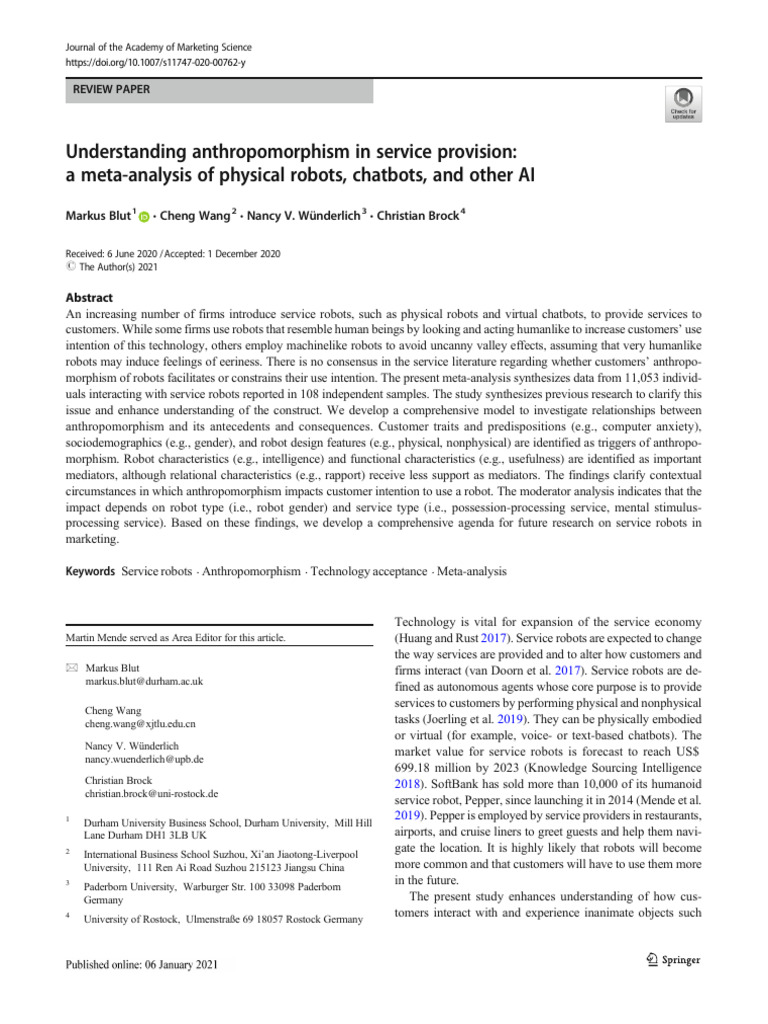
Moreover, in the context of artificial intelligence and robotics, anthropomorphism plays a pivotal role in user interaction. Social robots designed with human-like features create a myriad of possibilities for companionship and support, particularly in geriatric care and mental health interventions. However, this raises ethical considerations: how do we navigate the fine line between companionship and manipulation when machines exhibit endearing and human-like traits?
Conclusion
Anthropomorphism encapsulates the duality of human experience—the scientific urge to understand and the symbolic endeavor to connect. As we navigate the delicate interplay between scientific interpretations and symbolic meanings, we uncover deeper truths about our aspirations, fears, and emotional landscapes. By attributing human characteristics to the non-human, we engage in a dynamic dialog with the universe, illuminating our shared humanity in the process. This age-old practice continues to enrich our lives, revealing an enduring fascination that binds us to the world around us.