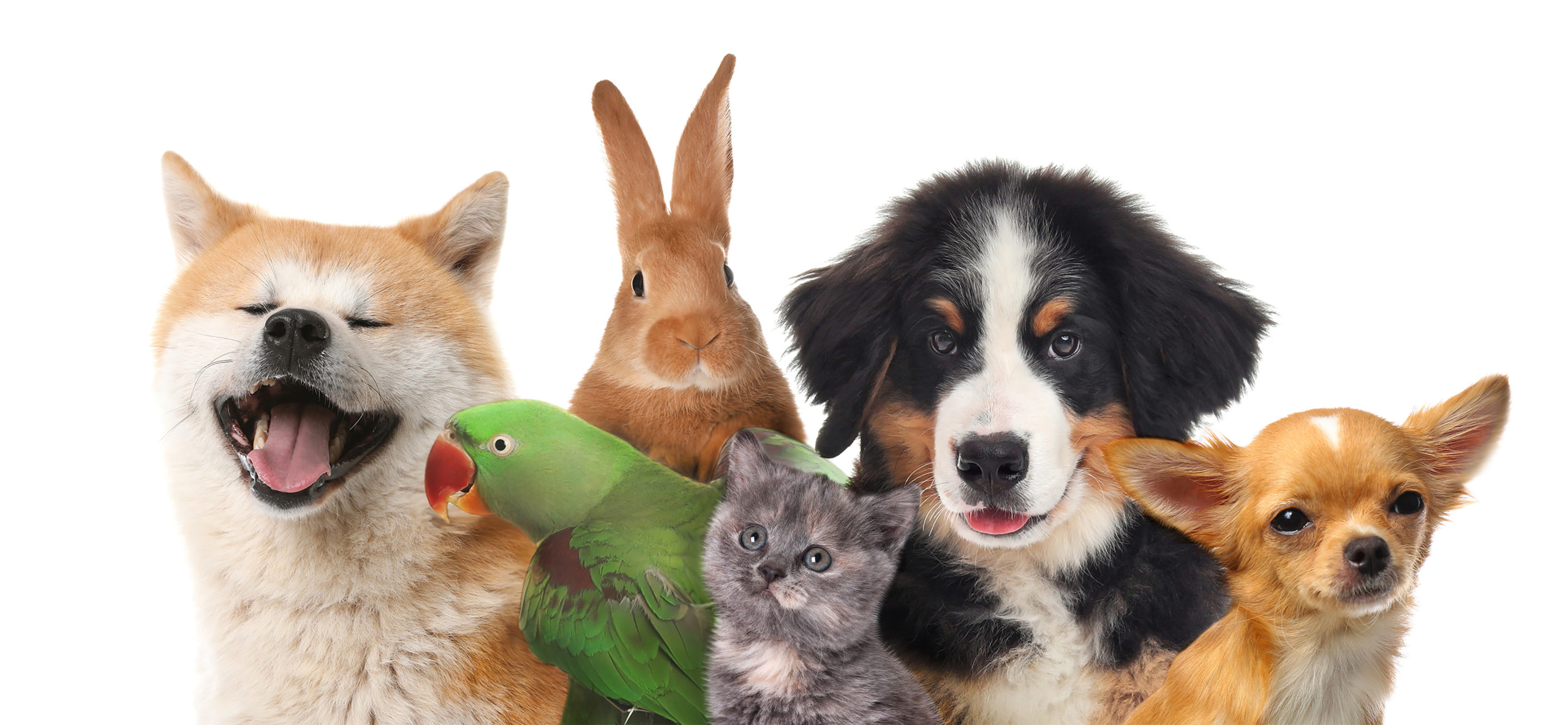
Pet ownership, a delightful yet complex phenomenon, engages the hearts and minds of millions worldwide. As our companionship with animals evolves, this relationship immerses us in a crucible of ethical dilemmas, care responsibilities, and the pervasive influence of anthropomorphic bias. Striking a balance in these areas necessitates an incisive exploration of various dimensions of pet ownership debates.
At the core of the pet ownership discourse lies ethics. The moral considerations surrounding pet ownership encapsulate a spectrum of concerns including animal welfare, rights, and the responsibilities that come with domesticating a living being. To many, pets are family members, deserving of compassion and respect. However, this very sentiment can sow the seeds of ethical tension. For instance, are we imposing human-centric ideals upon beings whose innate behaviors and needs may diverge from our understanding? Ethicists advocate for a profound introspection into our motives for pet ownership. Simply put, are we seeking companionship for our own fulfillment, or are we genuinely prioritizing the needs of the animal involved?
Within the realm of care, responsibilities burgeon multifold. Pet ownership transcends provision; it encompasses education, socialization, and a commitment to lifelong wellbeing. The philosophical question of what constitutes proper care invites various interpretations and practices. Some pet owners view veterinary visits as obligatory, while others may perceive them as a luxury or unnecessary. This discrepancy often reflects personal biases shaped by societal norms, economic constraints, or anecdotal experiences.
The care paradigm further complicates the ethical considerations, particularly when examining the intersection of breeding practices and pet adoption. Companion animals bred for aesthetic traits frequently suffer detrimental health effects. Advocates for animal rights vehemently denounce these practices, arguing for a shift towards adopting from shelters, where companion animals await homes. Critics frequently articulate the belief that the overpopulation crisis necessitates that prospective pet owners consider adoption as their primary option. This advocacy, framed by ethical concerns, fosters a culture where the value of life is scrutinized through lenses of responsibility and compassion.
In exploring anthropomorphic bias—a term describing the tendency to ascribe human traits and emotions to non-human entities—we arrive at yet another layer of complexity. While anthropomorphism enriches our emotional attachment to pets, it can also cloud judgment and influence behavior. For instance, owners may interpret a dog’s wagging tail as a sign of happiness, neglecting the broader context of canine communication that includes stress or anxiety as contributing factors. Such a misinterpretation could lead to them overlooking essential behavioral needs, thereby compromising the animal’s welfare.
The role of culture in shaping pet ownership debates cannot be overstated. Societal norms dictate the ways we perceive pets—ranging from cherished family members to mere possessions. In some cultures, pets are celebrated as integral components of the family unit, offered the highest levels of care and affection. Yet, in others, animals serve primarily functional roles, such as herding stock or providing pest control. These distinctions inform not only how pets are treated but also the ethical ramifications associated with their care.
Moreover, the proliferation of social media and its impact on pet ownership adds a modern twist to the debates. Platforms inundated with adorable pet videos and posts may amplify anthropomorphic tendencies, as owners seek to curate a specific image of their pets. This image-crafting often fosters a compelling narrative of love and joy yet may obscure the underlying challenges of truly ethical pet ownership. While sensationalized portrayals can drive adoption and raise awareness, they can also create unrealistic expectations around pet behavior and care.
The phenomenon extends to the pet industry itself, which flourishes on consumerism fueled by anthropomorphic tendencies. Innovative products—from gourmet pet foods to lavish bedding—contribute to a booming market where pets are treated as surrogate children. This commercial success, linked intricately to anthropomorphic biases, highlights the dichotomy between care and consumerism. An ethical pet owner must navigate these waters with due diligence, questioning whether such expenditures genuinely serve the animal’s wellbeing or primarily fulfill human desires.
As discussions surrounding the definition of a “good pet owner” evolve, a nuanced understanding of individual needs and animal behaviors is essential. Empathy must prevail, guiding owners to cultivate environments where pets can thrive, not just survive. This entails recognizing the specific behaviors and social needs of various animals as distinct from our perceptions and experiences.
In conclusion, the multifaceted debates surrounding pet ownership evoke profound ethical questions, demanding a careful evaluation of care practices amidst deep-seated anthropomorphic biases. As society progresses, the responsibility entrusted to pet owners encompasses far more than mere companionship; it extends to honoring the intrinsic value of animal welfare. An ethical framework for pet ownership calls for introspection, education, and a commitment to fostering environments where animals can flourish as sentient beings—rather than merely as reflections of human desires. As such, the journey of pet ownership is a profound exploration of humanity’s relationship with the animal kingdom, navigated through the lenses of ethics, care, and an awareness of our inherent biases.