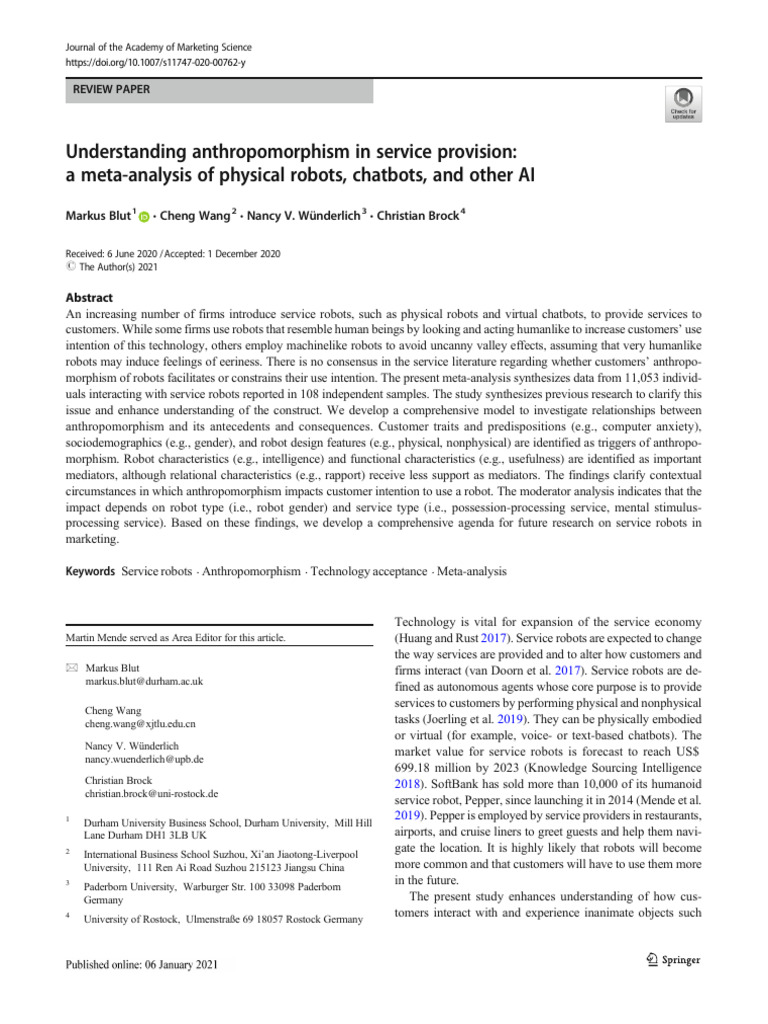
In the intricate tapestry of human cognition, one thread stands out prominently: our penchant for anthropomorphism, the attribution of human traits, emotions, and intentions to non-human entities. This cognitive quirk permeates various aspects of our lives, from the way we engage with technology to our interactions with the natural world. Our anthropomorphic inclinations are not merely whimsical; they reveal profound insights into our psyches, societal structures, and even our understanding of the universe. In this exploration, we will delve into the myriad ways we humanize everything around us, the psychological and cultural underpinnings of this behavioral phenomenon, and the implications it bears on our relationships and decisions.
To commence, it is crucial to understand the psychological impetus behind our anthropomorphic instincts. At its core, anthropomorphism stems from a deeply-rooted necessity for connection. Humans are, by nature, social creatures who thrive on relationships and empathy. When we ascribe human-like qualities to inanimate objects, animals, or abstract concepts, we cultivate a semblance of familiarity and rapport. For instance, consider the widespread affection for pets. The act of treating a dog as a member of the family—complete with birthday celebrations and emotional support—underscores the human need for companionship. This psychological attachment fosters emotional responses, which can enhance our well-being and provide comfort in times of distress.
Beyond mere companionship, anthropomorphism allows us to navigate the complexities of our environment. Consider the technology we interact with daily. Smartphones, virtual assistants, and even household appliances are often designed with anthropomorphic features and behaviors. When we hear a friendly voice from our devices, or we see a face displayed on a screen, we instinctively feel a more profound connection. This phenomenon enhances user experience, making technology feel more accessible and less alien. It reduces the cognitive load associated with interfacing with complex systems, enabling us to engage with technology intuitively.
As we delve deeper, it becomes evident that the tendency to humanize extends well beyond personal relationships and gadgetry. Throughout history, cultures have imbued natural phenomena and deities with human characteristics. From the ancient pantheon of Greek gods, rife with human flaws and virtues, to the animistic beliefs that attribute souls to rivers, mountains, and even rocks—these examples chronicle humanity’s enduring longing to make sense of the world. Anthropomorphism serves as a tool for explanation, simplifying the complexities of nature and the cosmos into relatable narratives that resonate with our lived experiences.
Moreover, this anthropomorphic lens shapes our perspectives on environmental conservation. When people view animals as sentient beings capable of suffering, they are more likely to support wildlife protection initiatives. This emotional investment—fueled by anthropomorphism—becomes a catalyst for action, inspiring individuals to advocate for ecological preservation and animal rights. The story of the iconic panda, often viewed as a symbol of conservation, illustrates how humanizing animals can propel significant social movements.
Despite the apparent benefits of anthropomorphism, there are nuances that warrant scrutiny. While it can foster empathy and understanding, it can also lead to misconceptions. The human tendency to project our emotions onto animals can blur the lines of scientific comprehension, leading us to misinterpret animal behaviors and motivations. For example, we may assume that a cat’s purring is solely a sign of contentment, overlooking other meanings such as self-soothing in times of stress. This misattribution can foster unrealistic expectations about our relationships with other species, complicating interactions that could otherwise be based on mutual understanding.
Anthropomorphism also infiltrates the realm of consumer behavior. Marketing strategies frequently exploit our anthropomorphic tendencies, creating mascots and brand characters that embody human traits. These symbolic representations establish emotional connections with consumers, facilitating brand loyalty and recognition. The clever marketing use of the Geico gecko or the M&M’s characters exemplifies how assigning human characteristics to products can enhance consumer affinity, turning mundane items into memorable figures within our daily narratives.
On an even broader scale, the implications of anthropomorphism raise philosophical questions regarding personhood and morality. As we extend empathy toward non-human entities, we confront moral dilemmas about rights, responsibilities, and the ethical treatment of animals and artificial intelligences. The burgeoning field of artificial intelligence stirs particularly provocative discussions. As machines become increasingly sophisticated and capable of mimicking human behaviors, the line distinguishing human-like qualities becomes hazy. Should we afford rights to sentient AI? What ethical obligations do we owe to beings we have imbued with human-like characteristics?
As we navigate this complex interplay between anthropomorphism and our understanding of the world, it is imperative to remain cognizant of the balance between empathy and reality. Cultivating awareness of our anthropomorphic tendencies can improve our relationships—both with each other and with the environment. By recognizing the cognitive biases that underlie our perceptions, we can foster more informed interactions, grounded in understanding rather than projection.
In conclusion, our irrational, anthropomorphic urges encapsulate a quintessential aspect of the human experience. They unveil the subconscious mechanisms driving our relationships with technology, nature, and each other. While anthropomorphism opens doors to empathy and connection, it also necessitates careful consideration of its ramifications in our understanding of the world around us. Embracing our capacity to humanize the non-human enriches our interactions but must be tempered with insight and awareness. Through thoughtful engagement with our anthropomorphic inclinations, we can navigate a world that is increasingly interwoven with both the human and the non-human, fostering a richer, more empathetic existence.