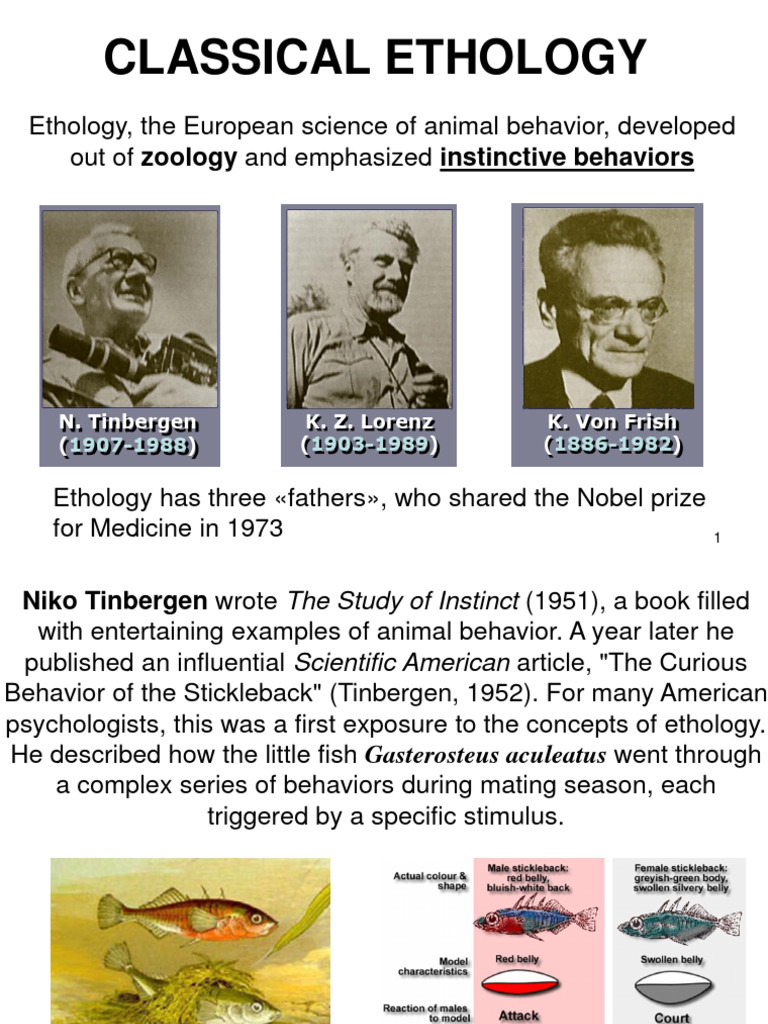
Anthropomorphism, the proclivity to attribute human traits, emotions, and intentions to non-human entities, has recently emerged as a riveting focal point within modern ethology. Ethology, the scientific study of animal behavior in natural environments, provides a distinctive lens through which anthropomorphism can be evaluated. This article elucidates the modern perspectives on anthropomorphism in ethology, examining its implications for understanding animal cognition, behavior, and the intricacies of interspecies relationships.
At the heart of modern ethology lies a fundamental promise: a shift in perspective towards a more nuanced appreciation of animal sentience. Ethologists propose that by embracing anthropomorphism, researchers can enhance the exploration of animal consciousness. Through thoughtful, albeit cautious, attribution of human-like qualities to animals, scientists can cultivate a deeper understanding of their experiences and social behaviors. This emerging trend fosters curiosity about the cognitive lives of animals, challenging long-held notions of human superiority.
One of the most compelling aspects of anthropomorphism is its potential to dissolve the rigid boundaries that have separated humans from the rest of the animal kingdom. In the past, ethologists often approached animal studies with a somewhat detached perspective, emphasizing behavior that could be objectively measured and analyzed without infusing human emotionality. However, contemporary thought is encouraging scientists to reconsider this tenet. Engaging with animals on an emotional level opens pathways to innovative research methodologies and provides a richer context for behavior interpretation.
For instance, consider the phenomenon of social bonding in animals. Ethologists increasingly observe behaviors reminiscent of human companionship—such as grooming, playful interactions, and even expressions of grief. When chimpanzees touch and console one another after a loss, the anthropomorphic lens allows researchers to better comprehend these actions as reflective of their emotional landscapes. Understanding these behaviors through an anthropomorphic perspective cultivates empathy and inspires greater advocacy for animal welfare.
Moreover, anthropomorphism stimulates curiosity regarding the evolutionary roots of such behaviors. Why do certain species exhibit traits that parallel human social interactions? What advantage do these characteristics confer within the framework of survival and reproduction? By investigating these questions, ethologists unearth a rich tapestry of evolutionary adaptations that informs both animal behavior and human understanding of our own social constructs.
Furthermore, anthropomorphism plays a pivotal role in the burgeoning field of animal cognition. An illustrative example is the study of corvids, particularly crows and ravens, which have demonstrated advanced problem-solving abilities and sophisticated social strategies. When researchers apply anthropomorphic interpretations to these behaviors, they begin to appreciate the complex cognitive processes at play. This perspective urges scientists to investigate the internal motivations driving these actions, thereby expanding the scope of research into avian intelligence.
However, it is critical to navigate this territory with methodological rigor. Blurring the lines between human and animal experiences can lead to over-attribution of human-like qualities, which may inadvertently misconstrue the nature of animal behaviors. Therefore, modern ethologists emphasize the necessity of a balanced approach—one that integrates observational data with the emotional interpretations afforded by anthropomorphism. This careful calibration ensures that the insights gleaned do not devolve into anthropocentric fallacies.
A pivotal application of anthropomorphism in modern ethology is its impact on conservation efforts. As awareness of the emotional and cognitive capacities of animals grows, so too does the motivation to protect them. By humanizing animal experiences, ethologists can galvanize public interest and educational outreach, fostering a sense of kinship and stewardship towards other species. Campaigns that highlight the lamentations of elephants over lost companions or the playful antics of dolphins become powerful narratives that resonate with the public. This engenders a collective responsibility to respect and safeguard the biodiversity of our planet.
Another area ripe for exploration is the intricate relationships between humans and domesticated animals. Pet ownership presents a unique opportunity to observe anthropomorphic behaviors in everyday life. Many pet owners attribute emotions such as guilt, happiness, or jealousy to their animals, often interpreting their behaviors through a distinctly human psychology. Ethological studies can illuminate how these attributions may influence the dynamics of human-animal relationships, potentially enhancing or impeding mutual understanding and interaction.
Moreover, the allure of anthropomorphism extends into the realms of art and literature. These expressions often draw upon the humanization of animals to explore themes of morality, identity, and the essence of life itself. Such representations offer a bridge between scientific inquiry and cultural narratives, prompting reflection on our interconnectedness with the natural world. Ethologists recognize the importance of these narratives as they shape public perception and spark engagement with animal advocacy.
In conclusion, anthropomorphism in modern ethology heralds a transformative shift, inviting researchers and the public alike to reconsider their perceptions of non-human entities. By delving into this complex interplay between human characteristics and animal behavior, ethologists can forge pathways for deeper understanding, empathy, and conservation. As curiosity is piqued and perspectives are broadened, the harmonious coexistence of all life forms becomes not just a scientific aspiration but a moral imperative. Thus, anthropomorphism emerges not merely as a tool for study but as a catalyst for profound change in our relationship with the animal kingdom.