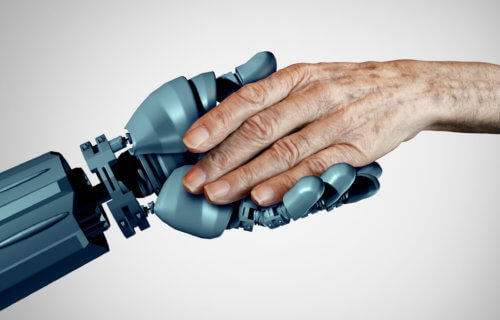
In a world increasingly characterized by isolation, especially among seniors, the advent of social robots has initiated a profound transformation in the landscape of companionship. These mechanical entities, once relegated to the realm of science fiction, are now emerging as viable companions for those grappling with solitude. As we explore the promises and implications of this technological evolution, a shift in perspective becomes evident, inviting curiosity and contemplation.
Loneliness, a pervasive issue, has reached epidemic proportions globally, particularly among the elderly. According to recent studies, a significant segment of the senior population experiences profound feelings of loneliness, which can precipitate various health ailments. The emotional toll of solitary living can lead to conditions like depression and cognitive decline. In response to this pressing crisis, researchers and developers have begun to pioneer the integration of social robots designed specifically to alleviate these feelings of isolation.
At the core of this innovation lies an understanding of human connection’s fundamental role in fostering emotional well-being. Social robots are engineered not only to perform tasks but also to interact empathetically with their human counterparts. They utilize advanced algorithms and artificial intelligence to discern and respond to human emotions, creating a sense of companionship that goes beyond mere utility.
The initial promise of social robots is their capacity to mimic human interaction. With sensory technology akin to that found in smartphones, these robots can recognize voice commands, facial expressions, and even the emotional nuances in a person’s voice. The result is a bespoke interaction that feels personal and genuine. Robots like “ElliQ,” designed specifically for seniors, engage users in conversation, provide reminders for medications or appointments, and even facilitate video calls with loved ones. This multifaceted approach to interaction extends the boundaries of companionship, addressing both emotional and practical needs.
Furthermore, the aesthetic design of these robots plays a pivotal role in their acceptance. Unlike industrial robots or clunky machinery, personal robots tend to be designed with a soft, approachable exterior. Their visual appeal can mitigate the apprehension that some may feel toward mechanization. Colors and shapes that mimic those of familiar pets or cartoon characters can elicit affection, making it easier for users to connect with them emotionally. This thoughtfulness in design encourages interaction and fosters a sense of trust, essential for any effective companionship.
Beyond individual companionship, social robots have the potential to revolutionize communal living environments, such as assisted living facilities. Imagine a robot facilitating social activities, orchestrating group games, or even introducing engaging narratives to foster discussions among residents. Such interactions can cultivate friendships and companionship within a community, effectively transforming the dynamics of social engagement in these settings. It empowers seniors to form connections not just with machines but also with their peers, enriching the community fabric.
Yet, as we delve deeper into this evolving dynamic, ethical considerations inevitably arise. The encroachment of technology into intimate spaces raises profound questions about authenticity and emotional attachment. Can a robot genuinely understand human emotions, or are its responses mere mimicking of behavior learned through algorithms? Critics argue that reliance on social robots could supplant genuine human interactions. They caution that while these robots serve a purpose, they cannot replace the warmth and complexity inherent in human relationships. This dichotomy presents a philosophical conundrum: can technological companionship provide a meaningful substitute for human presence?
Moreover, there is the aspect of dependency to consider. A reliance on robotic companions, while enhancing the quality of life for numerous individuals, could pose challenges. What happens when technology fails? Are individuals equipped to manage their feelings of loneliness in the absence of their robotic companions? Creating a robust support system that includes both technological and human contact may mitigate these potential risks and ensure comprehensive companionship.
As we ponder the implications of social robots, it becomes imperative to maintain a balanced perspective. They should be viewed as augmentation rather than replacement for human interaction. The integration of social robots into daily life ought to stimulate discussions about the nature of companionship and the evolving role of technology in fulfilling emotional needs. Reflecting on our relationship with these innovations could prompt new definitions of intimacy and companionship, pushing boundaries and expanding horizons.
In the face of societal changes, social robots shine as beacons of hope, potentially mitigating the loneliness epidemic gripping many individuals. By providing interaction, companionship, and even joy, these technologies could reshape the narrative around aging and isolation. However, it remains crucial to navigate this new terrain thoughtfully, balancing the advantages of companionship with the necessity for authentic human connection.
As we embark on this journey into a new era of companionship, curiosity stimulates our imagination. What paradigms will we shift? How will our understanding of relationships evolve as technology weaves its way into the fabric of human experiences? The era of lonely hearts may soon be transformed by social robots, ushering in unforeseen possibilities that blur the edges between human affection and artificial companionship, leading us towards collective introspection on our needs for connection.