In the intricate tapestry of human understanding, anthropomorphism serves as a bridge connecting our species with the animal kingdom. This phenomenon imbues non-human entities with human traits, emotions, and intentions, fostering a unique bond that profoundly impacts various spheres of our lives. The implications stretch far beyond mere storytelling; they permeate animal care, ethical considerations, and our overarching worldview. As we delve into the multifaceted impacts of anthropomorphism, we unveil a shift in perspective that ultimately piques our innate curiosity.
1. Defining Anthropomorphism
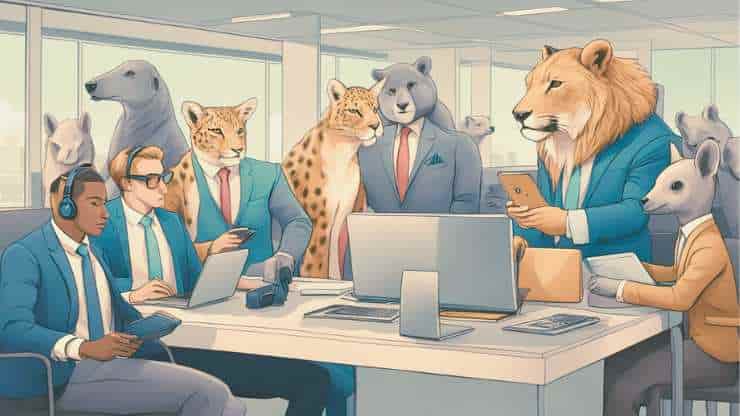
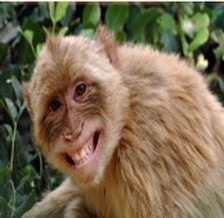
At its core, anthropomorphism is the attribution of human characteristics to non-human beings, objects, or phenomena. This concept can manifest in myriad ways, from attributing emotions to pets—thinking of a dog as loyal or a cat as aloof—to envisioning trees as wise guardians of the forest. The genesis of this behavior can be traced to humanity’s desire to comprehend the unfamiliar through familiar lenses. By ascribing human-like qualities, we cultivate empathy, allowing us to forge connections that might otherwise seem impossible.
2. Enhancing Animal Care
One of the most significant impacts of anthropomorphism is evident in animal care practices. When we perceive our pets as not merely animals but as companions with emotions and personalities, the quality of care we provide often amplifies. Consider pet owners who believe their dogs experience sadness. Such a belief may lead them to invest more time in companionship, exercise, and enrichment activities. This nurturing approach yields not only happier animals but can also reinforce the bond between human and pet, enhancing emotional well-being for both. The rise of pet therapy—where animals are integrated into psychological and emotional care settings—underscores this transformative power of anthropomorphism.
Moreover, the application of anthropomorphism extends to wildlife conservation. Campaigns aimed at protecting endangered species often utilize human-like narratives to communicate with potential supporters. The plight of the “lonely” whale or the “caring” mother bear resonates more deeply with an audience than mere statistics about population decline. This emotional engagement is pivotal in mobilizing resources and motivating action, ultimately fostering a greater commitment to conservation efforts.
3. Impacts on Scientific Understanding
Interestingly, while anthropomorphism enhances emotional connectivity, it may also hinder scientific objectivity. In fields such as ethology—the study of animal behavior—scientists must grapple with the delicate balance between relatable narratives and empirical data. Pervasive anthropomorphic interpretations can lead to anthropocentric biases, where human characteristics eclipse the inherent qualities of the species under study. Establishing a clear demarcation between genuine emotional expressions and projected human feelings is crucial to advancing our understanding of animal behavior accurately. However, this tension is necessary; it often propels inquiries into the cognitive and emotional capabilities of animals, leading to groundbreaking discoveries that reshape our understanding of intelligence across species.
4. Ethical Considerations and Moral Decisions
The implications of anthropomorphism extend into moral and ethical realms, where human-like perceptions of animals challenge traditional views on animal rights and welfare. As individuals personify animals, the ethical landscape shifts. The recognition of animals as sentient beings motivates advocacy for their rights, and questions arise—what responsibilities do we hold towards creatures that exhibit emotions akin to our own?
Legal frameworks around the globe are beginning to reflect this shift. In numerous jurisdictions, laws are evolving to acknowledge animal sentience, resulting in more stringent regulations on mistreatment and exploitation. These developments often stem from societal pressure fed by anthropomorphic narratives, which encourage individuals to perceive animals as deserving of dignity and respect. Advocacy groups harness these insights, championing causes that resonate with the public’s growing empathy, which in turn catalyzes meaningful legislative change.
5. Repercussions in Popular Culture
Anthropomorphism permeates pop culture, influencing literature, films, and art. Characters such as Winnie the Pooh or Pixar’s Up not only entertain but also convey profound messages about friendship, love, and existentialism. These narratives serve as vehicles for exploring complex themes through a relatable lens. The anthropomorphized characters often endure challenges that mirror human experiences—loss, joy, and the quest for understanding. Such storytelling engenders a deeper engagement with the material, fostering reflection and inspiring change in viewers’ attitudes toward real-world issues.
Furthermore, this artistic representation plays a distinct role in shaping consciousness. By promulgating humane attitudes through anthropomorphized characters, society becomes more inclined towards compassion not just for pets, but for all sentient beings. This pervasive cultural phenomenon assures that anthropomorphism will remain a vital thread woven into our collective psyche.
6. The Future of Anthropomorphism
As we venture further into an era characterized by technological innovations and unprecedented cognitive research, the role of anthropomorphism is bound to evolve. The advent of artificial intelligence and robotics leads to intriguing questions about the nature of consciousness and emotional experience. As humans interact with increasingly sophisticated machines capable of mimicking human-like responses, the lines between the mechanical and the organic blur, culminating in a complex interplay of empathy, ethics, and morality.
Ultimately, anthropomorphism offers an invaluable lens through which to view our relationship with the natural world and beyond. It promises a continuous shift in perspective that neither negates scientific rigor nor oversimplifies complex emotional landscapes. As we continue to explore and navigate these uncertainties, curiosity will drive humanity’s quest for understanding—forever intertwined with the stories we share and the connections we forge.