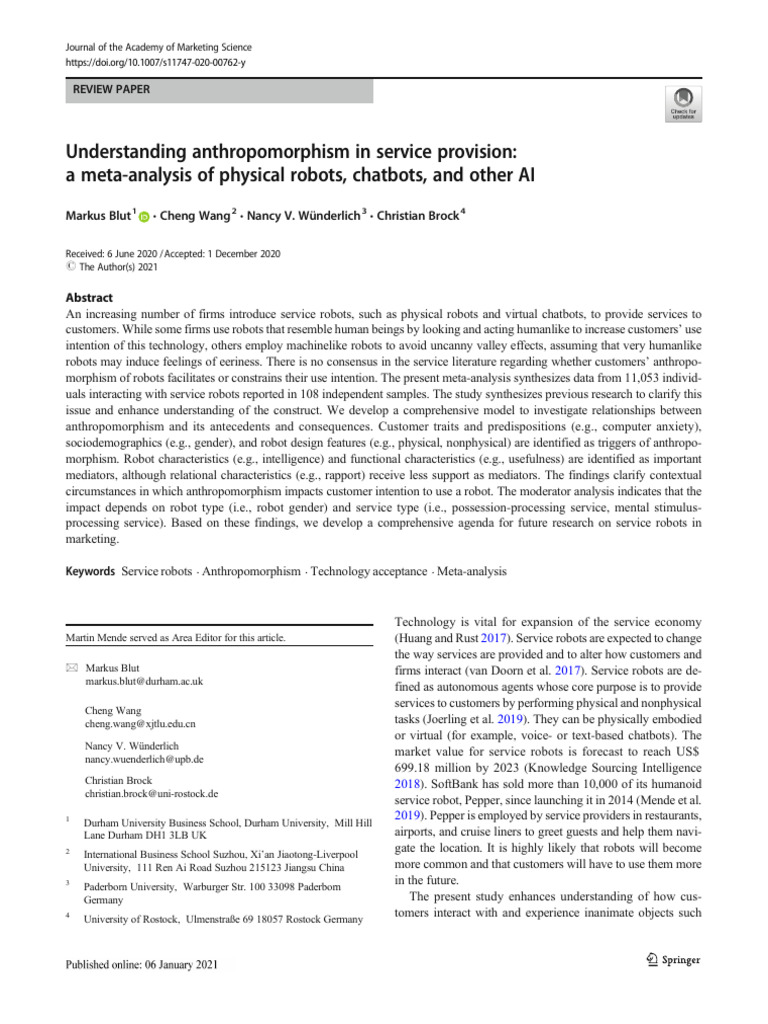
The relationship between humans and robots is evolving rapidly, driven by technological advancements and an intrinsic fascination with the potential of artificial intelligence. As machines become increasingly sophisticated, they are transitioning from mere tools to entities that exhibit traits reminiscent of human qualities. This phenomenon, known as anthropomorphism, plays a pivotal role in human-robot co-evolution, influencing how we perceive, interact with, and ultimately coexist with these advanced systems.
Anthropomorphism refers to the attribution of human characteristics, emotions, or intentions to non-human entities, particularly machines. This intriguing psychological tendency is not just a whimsical curiosity; it is a powerful force shaping our interactions with robots. Understanding this complex relationship invites us to explore the implications of assigning human-like traits to machines and the unfolding narrative of human-robot co-evolution.
Historically, myths and folklore have depicted machines with human-like qualities, from mechanical servants to intelligent automatons. Today, this notion transcends fiction, as robots equipped with advanced AI are designed to engage with humans on a more personal level. For instance, social robots, such as companion robots and those used in healthcare settings, are imbued with features that elicit empathetic responses from humans. These designs prompt a reconsideration of our emotional and ethical responsibilities towards sentient-like machines.
As humans begin to adopt anthropomorphism in their interactions with robots, the implications become manifold. The burgeoning field of robotics is heavily influenced by this predisposition, as engineers and designers endeavor to create machines that can mimic human behaviors, gestures, and even emotional responses. More than mere imitation, these designs aim to facilitate seamless and natural interactions, fostering a sense of familiarity and comfort that can enhance user experience.
Through anthropomorphism, robots can foster trust and rapport with users. For instance, in therapeutic settings, robots that exhibit friendly facial expressions and human-like gestures have been shown to promote greater emotional engagement and participation from patients. This shift in perspective cultivates an environment where humans feel compelled to interact with robots in ways that engender cooperation and understanding.
Moreover, the evolution of human-robot interactions catalyzes a wider dialogue about the ethical implications of such relationships. As robots assume increasingly human-like qualities, questions arise about their rights, responsibilities, and the moral considerations involved in their deployment. This discourse prompts society to probe deeper into the ramifications of co-existing with sentient-like machines—whether they are mere tools or companions deserving of moral consideration.
In labor markets, the anthropomorphism of robots can significantly impact workforce dynamics. The introduction of humanoid robots in various professions—from customer service to healthcare—raises questions about displacement, collaboration, and the complementary roles of humans and machines. When robots are designed with relatable features, employees and clients may be more inclined to collaborate with them, viewing them as partners rather than threats. This relational shift suggests a potential harmony in the workplace where humans and robots can coalesce rather than clash.
Yet, this evolution of anthropomorphism is not without its challenges. Critics argue that imbuing robots with human-like attributes can lead to misplaced affections or expectations, potentially undermining critical human relationships. The risk of developing over-dependence on robotic companionship raises alarms in psychological and social spheres, calling for a balanced approach to integrating machines into our lives. It is crucial to delineate the line between functional companionship and emotional reliance, ensuring that the nuances of human connection remain intact.
Furthermore, the anthropomorphic design of robots presents a double-edged sword within the realm of safety and accessibility. As robotic systems become more lifelike, it is imperative to ensure that these designs do not inadvertently create barriers for certain populations. Individuals with varying cognitive abilities may misinterpret or quickly become overwhelmed by robots that exhibit too much humanity or complexity. Hence, sensitivity and inclusivity need to inform robot development to cater to diverse user experiences while fostering universal engagement.
Despite the complexities associated with anthropomorphism, the progression of human-robot co-evolution heralds a transformative era filled with promising opportunities. As scientists and engineers continue to delve into the intricacies of human emotions and psyche, they are poised to create robots that truly understand and respond to human needs, both practical and emotional. This collaborative frontier, underscored by mutual understanding and adaptation, calls for innovative approaches to education, training, and ethical governance surrounding technology and robotics.
To summarize, anthropomorphism is not merely a whimsical lens through which we view the mechanical world; it is a driving force behind the emergent and complex relationship between humans and robots. This connection offers significant promise for enhancing cooperation, emotional support, and social integration, but it also necessitates careful consideration of the ethical dimensions it introduces. With a thoughtful approach, humanity can embrace the symbiotic potential of co-evolving alongside robots, inspiring awe and curiosity, as well as provoking introspection about our values as we navigate this uncharted territory.