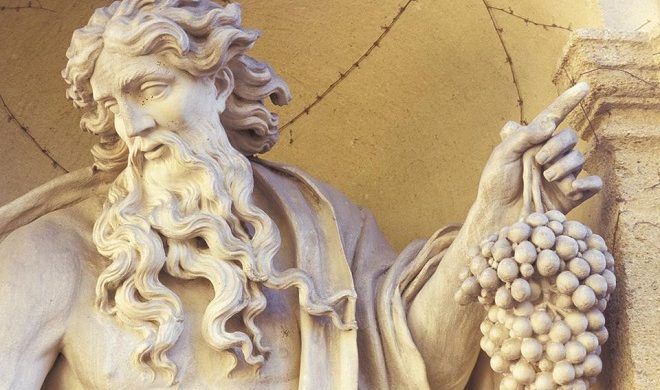
In the pantheon of Greek mythology, few deities resonate as profoundly as Dionysus, the harbinger of ecstasy, revelry, and the unbridled essence of life itself. His name is synonymous with liberation and indulgence. Yet, to embrace the fullness of his legacy, one must first unlock the keys to pronouncing the name of this captivating god correctly. Dive into the pronunciation of Dionysus and explore the rhythmic cadence encapsulated within its syllables.
### The Name’s Origin and Importance
Before delving into the mechanics of pronunciation, it is essential to grasp the etymological roots of the name Dionysus. Derived from Ancient Greek, the name is often believed to mean “follower of Dionysus” or “sacred to Dionysus.” He embodies the fluidity and chaos of life, and this complexity is mirrored in the pronunciation of his name. Pronouncing it accurately is not merely an exercise in linguistic dexterity; it is a tribute to the cultural richness he represents.
### Breaking Down the Syllables
To master the pronunciation of Dionysus, one must dissect it into its component syllables. The name is traditionally broken down into four syllables: Di-o-ny-sus. Each component must be articulated with care, as the articulation evokes the very spirit of this multifaceted deity.
- Di: The first syllable, “Di,” is pronounced like the word “die.” It is short and concise, embodying an air of immediacy.
- o: The second syllable, “o,” resembles the ‘o’ in ‘go,’ resonating with a bell-like clarity. This syllable adds a melodious quality.
- ny: The third syllable, “ny,” is akin to ‘knee.’ This soft ‘n’ sound beckons affection and warmth, inviting listeners to linger upon it.
- sus: Finally, “sus” should be pronounced with a soft ‘s’ sound followed by ‘us’ as in ‘us.’ This closing syllable encapsulates the essence of unity.
When said together, the name flows like a lyrical melody: “Die-oh-NY-sus.” This phonetic tapestry weaves a narrative that transcends mere pronunciation, evoking the frenzied yet harmonious spirit of Dionysus himself.
### Cultural Significance of Pronunciation
The significance of pronouncing Dionysus correctly extends beyond mere semantics. In a world pulsating with cultural nuances, language acts as a bridge, connecting us to the legacies of ancient civilizations. Mispronouncing this name could be akin to overlooking the vibrant hues in a masterful painting; a disservice to the rich tapestry of history it represents. Each syllable, pronounced with intention, serves as an homage to the festivals, rituals, and theatrical performances dedicated to this beloved deity.
### Common Mispronunciations
As with any name steeped in antiquity, various mispronunciations exist. Some may opt for a clipped familiarity, pronouncing it as “Dye-niss,” which overlooks the lyrical quality ingrained in its full articulation. Others may stress the first syllable excessively, drowning out the elegant cadence embedded within the name. Such oversimplifications dilute the essence of Dionysus, transforming a divine figure into an almost pedestrian representation.
### Practice Makes Perfect
Like the luscious wines that Dionysus is famously associated with, the art of pronunciation improves with practice. Consider repeating the name aloud, allowing each syllable to resonate within you. Envision Dionysus himself, surrounded by revelers and the intoxicating aroma of grapevines — let this imagery guide your pronunciation.
To achieve fluency, you might also consider incorporating the name in casual conversations about Greek mythology, art, literature, or even in discussions about themes of celebration and chaos in life. The more you engage with it, the more familiar and comfortable it becomes.
### The Symbolism Encased in His Name
Beyond phonetics, the name Dionysus encapsulates a world of symbolism. He is not just a figure to be named but a concept to be experienced. The pronunciation itself becomes a vessel, releasing the essence of wine and festivity, of life and destruction, of joy and despair. With each utterance of “Dionysus,” one evokes the spirit of paradox that defines the god: the transition from rigid order into ecstatic chaos.
### Conclusion: A Linguistic Celebration
In conclusion, understanding and pronouncing the name of Dionysus correctly merits celebration. It serves as a bridge to ancient practices, beliefs, and the vibrant festivities that celebrate life itself. As you speak his name, remember the stories, the rituals, and the wines that flow in his honor. Your journey does not end here. Rather, consider this an invitation to explore further the depths of what Dionysus represents — both in mythology and in your own life. Let your voice carry the resonance of ancient Greece, where the name of Dionysus comes alive, echoing through the ages, and forever inviting you to join in the dance of existence.