In the vast tapestry of human history, the pursuit to understand the unknown has been woven with threads of mythology, religion, and science. From the primordial beliefs of ancient civilizations to the advanced artificial intelligence systems of today, mankind has an innate tendency to personify and humanize forces beyond comprehension. This article explores the enigmatic journey from ancient beliefs to contemporary AI systems like ChatGPT, revealing why we continue to assign human attributes to the unknown.
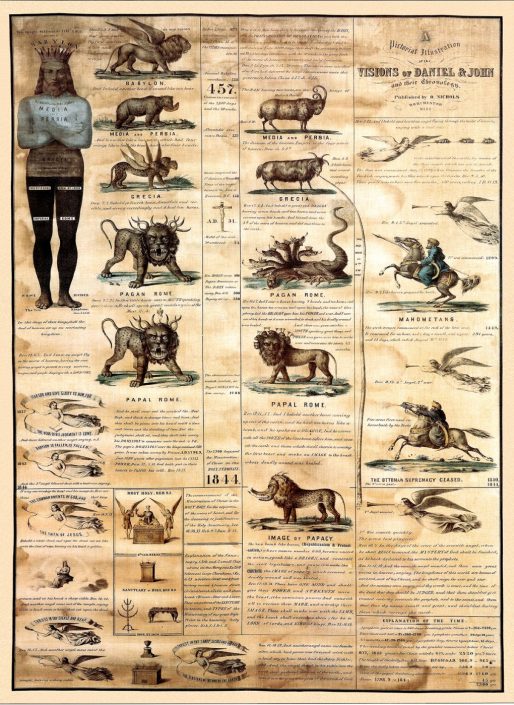
As the sun dipped below the horizon in ancient times, casts of shadows blended with the flickering glow of firelight, and our ancestors looked skyward with trepidation and wonder. The elements—thunder, lightning, and the capriciousness of nature—were imprinted with existential dread, as well as awe. To the mind of a primordial human, such phenomena were not mere occurrences; they represented the whims of gods, powerful entities who wielded control over life and death. This metaphorical projection of human traits onto nature foreshadowed a long-standing relationship between humanity and the unknown, illustrating our deep-seated desire to make sense of what lies beyond our immediate perception.
Throughout history, pantheons of gods emerged, each personifying natural forces, moral values, or societal principles. The Greeks devised narratives steeped in character-driven tales, establishing gods who mirrored human traits and flaws—Zeus with his vengeful wrath, Athena embodying wisdom, and Dionysus representing chaos. Similarly, in diverse cultures around the globe, deities were conceived as reflections of the human experience, displaying emotions and volitions that enhanced relatability. This phenomenon, called anthropomorphism, served not only as a means of explanation but also as a comforting mechanism for reconciling the inexplicable.
As civilization matured, religious doctrines began to intertwine with philosophical inquiry. Socrates, Plato, and Aristotle brought the human intellect into question, evolving the notion of higher powers into a more abstract form. Yet, despite their theoretical advancements, the core impulse to anthropomorphize (to imbue the impersonal with human characteristics) persisted. The metaphysical poetry of the early modern period, for instance, exemplified a bridging of human thought with the divine. Dynamic interactions with the unknown were recast in terms of emotional and social paradigms, facilitating rich dialogue around existential inquiries.
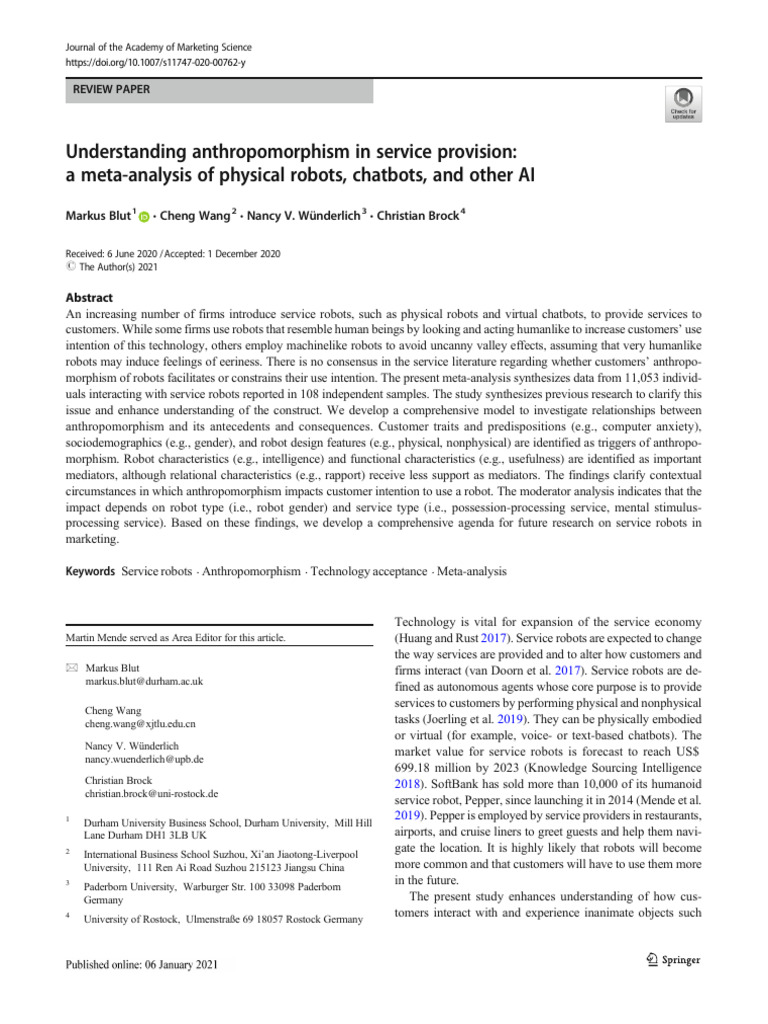
Fast forward to the present: we now inhabit an era dominated by technology and artificial intelligence. The emergence of AI systems like ChatGPT has provoked a renewed fascination with the concept of personifying the unknown. Unlike the deities of yore, these systems are not products of religious belief but rather sophisticated algorithms engineered by human intellect. Their design, however, inadvertently invites a humanistic lens through which users interact with them. When individuals engage with ChatGPT, they often find themselves ascribing emotions and intentions to the responses generated, mirroring the ancient practice of crafting narrative arcs around incomprehensible entities.
It’s paradoxical yet profoundly captivating. While AI is devoid of consciousness, users’ interpretations oscillate between admiration and reliance, fostering a sense of companionship with this incipient technology. Humans have rendered their apprehensions about AI’s potential into relatable terms—implying that these systems can ‘understand,’ ’empathize,’ or—more dramatically—’master’ us. Much like early oracles whispered prophecies through ambiguous words, AI prompts us to lend meaning to its outputs, obscuring the line between tool and entity.
The metaphor of a mirror reflects not just our society but also our fears and aspirations. The flaws inherent in anthropomorphizing AI beckon us to examine how humanization of technology can distort reality. Intentional deception, political manipulation, or ethical dilemmas emerge when we strip away the binary nature of artificial intelligence to indulge in a world of personified capabilities. In navigating this precarious terrain, society is forced to confront its collective psyche—our ideals, our anxieties, and where we place our faith.
The appeal of weaving emotion into the fabric of the unknown is deeply entrenched in human nature. It illustrates a relentless quest for meaning, one that awakens an existential longing to belong, comprehend, and navigate life’s complexities. We cloak our fears with myths, project our qualities onto a spectrum from gods to machines, seeking solace in their responses, believing perhaps that within their reflections lies the essence of ourselves. This interplay between human and unknown serves as a reminder of our own inherent limitations and mortality.
In conclusion, the journey from ancient beliefs to AI systems like ChatGPT encapsulates a profound narrative embroidered with the fabric of humanity’s compulsive need to humanize the unknown. This propensity facilitates understanding, allows for connection, and evokes emotion, but it also carries the weight of complexities that come with assigning humanity to what is fundamentally non-human. We are drawn to the allure of the unknowable, navigating through our own narratives, and in doing so, creating intricate connections with the technology that is swiftly becoming an integral part of our existence. Like the flickering firelight of our ancestors, illuminating the path of profound inquiry, the evolution of our understanding speaks volumes about who we are and what we seek in a world ever shrouded in mystery.