Anthropomorphism fills the realms of fairy tales and folklore with an enchanting allure that transcends mere storytelling. It beckons us to dive deep into a universe where animals, objects, and even abstract concepts are imbued with human traits, capturing our imagination and inviting reflection on the human condition.
At its core, anthropomorphism serves as a bridge between the human experience and the natural world. By attributing human emotions and characteristics to non-human entities, storytellers heighten the relatability of their narratives, allowing audiences to navigate complex themes through the lens of whimsical characters. This technique has been employed throughout the annals of literature, enriching tales with life lessons cloaked in allegory.
The origins of anthropomorphism in folklore can be traced to ancient civilizations. From Aesop’s Fables, where cunning foxes and slow-witted tortoises impart moral lessons, to indigenous cultures that venerate animal spirits, such representations offer profound insights into humanity’s collective psyche. The sly fox embodies intelligence and wit, while the enduring turtle stands as a symbol of perseverance—a duality that reflects the virtues and follies inherent in our own nature.
Moreover, anthropomorphism often functions as a narrative device that encourages empathy. When children encounter a bear speaking in riddles or a mischievous rabbit outsmarting a predator, they are engaging with complex emotions such as fear, joy, and sadness without the weight of adult experience. This enables young audiences to explore their feelings in a safe space, fostering emotional intelligence at an impressionable age.
Through the prism of anthropomorphism, everyday objects also come to life, transforming ordinary situations into fantastical adventures. Consider the unforgettable tale of “The Velveteen Rabbit,” wherein a stuffed toy longs to be real. In this poignant narrative, the rabbit’s desire resonates deeply, encapsulating a desire for love and the transformative power of attachment. Here, the anthropomorphism of the toy strikes at the heart of a universal truth—what it means to belong and to be loved is a sentiment that transcends the boundaries of species and material existence.
Folklore rich in anthropomorphic elements often explores the dichotomy between civilization and the wild. In numerous stories, animals acting with human morals reflect societal values while simultaneously critiquing them. The clever crow, that outwits both hunter and prey, illustrates resourcefulness. This serves as a metaphor for human resilience in the face of adversity, while the cruel wolf may symbolize the darker aspects of human nature, driven by greed and lust. Thus, fairy tales use these characters as mirrors to help societies examine their beliefs and principles.
In addition to reflecting societal norms and values, anthropomorphic characters possess an intrinsic charm that captivates audiences of all ages. The whimsical nature of talking animals—each with their unique quirks and personalities—ignites laughter and joy, delivering entertainment with a dose of wisdom. This delightful amalgamation of fun and serious undertones allows such stories to resonate across generations, creating a tapestry of shared experiences that connect the past to the present.
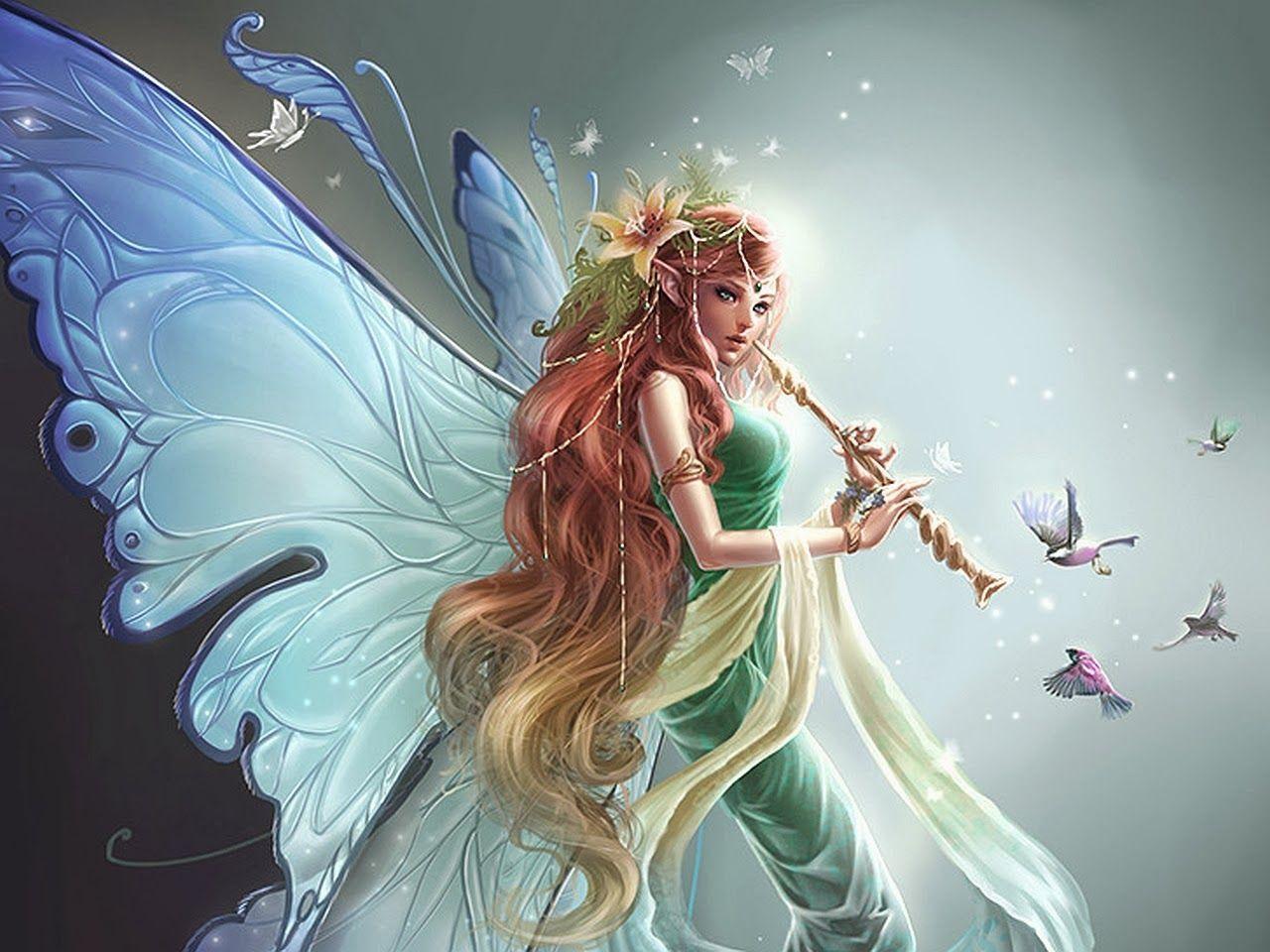
Furthermore, anthropomorphism can delve into the realm of the fantastic, unearthing rich narratives filled with enchantment and wonder. The “Briar Rose” or “Sleeping Beauty” tale demonstrates this particularly well. Fairies, endowed with extraordinary powers akin to those of gods, exert influence over human destinies, while also embodying human traits like jealousy, kindness, and vengeance. Such complexities serve to remind us that the forces of nature, much like human emotions, are both beautiful and unpredictable.
Detractors of anthropomorphism sometimes argue that attributing human characteristics to non-human entities may trivialize their true nature. Yet, therein lies the beauty of such storytelling; it allows for a form of exploration that is both imaginative and cathartic. These tales do not seek to diminish the natural world but instead offer a playful engagement, ushering readers into a dialogue with their surroundings. This connection fosters a sense of stewardship, prompting individuals to reflect on their responsibilities toward flora and fauna.
Anthropomorphic narratives also address weighty themes like mortality, sacrifice, and love—concepts that could be daunting if explored through a strictly human lens. In “The Tale of Peter Rabbit,” young readers are introduced to consequences and the importance of family. The titular character’s misadventures in Mr. McGregor’s garden serve as an allegory for disobedience and the escapades of youth, imparting vital lessons without rendering the serious topics too overtly grim or threatening.
Ultimately, anthropomorphism enriches storytelling, forging an unbreakable connection between the audience and the characters. Through these imaginative narratives, we are invited to witness our humanity reflected in the eyes of a timid fox or the resolute stance of a proud lion. It reminds us that, regardless of form, the emotions we experience and the lessons we learn are woven into the same fabric of existence.
In conclusion, the unique appeal of anthropomorphism in fairy tales and folklore lies in its ability to simultaneously entertain and educate. By intermingling the relatable with the fantastical, these tales delve into the depths of human emotion and experience. They create not just stories, but lasting connections that remind us of our responsibilities, our dreams, and, ultimately, our place in the wondrous tapestry of life.