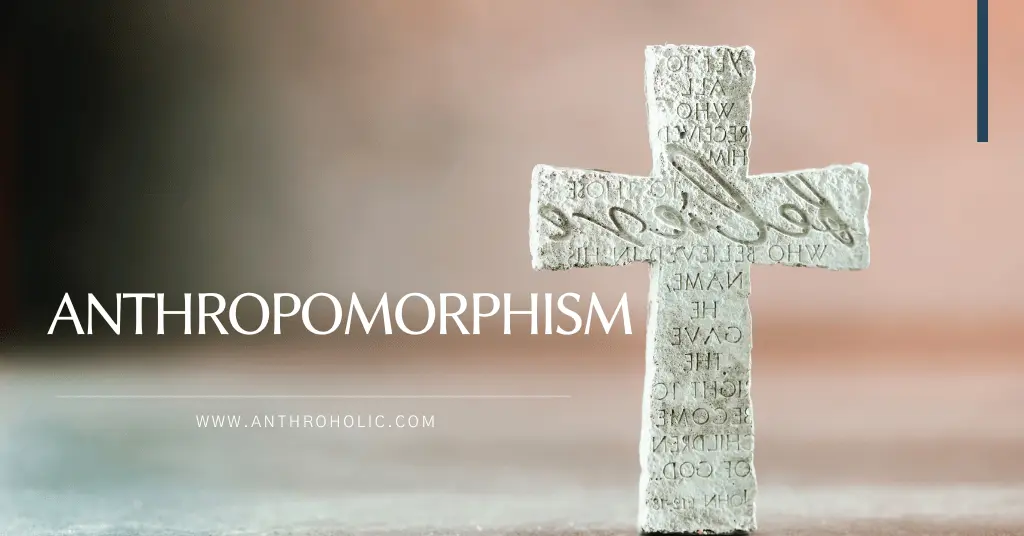
Anthropomorphism, the attribution of human characteristics to non-human entities, is not merely a curious quirk of human psychology; it embodies a profound ethical conundrum that extends into the realms of art, literature, artificial intelligence, and even our interactions with nature. Explore the myriad ways in which this phenomenon reframes our understanding of agency, responsibility, and compassion in a world that increasingly leans toward the mechanization of medium.
To fully grasp the implications of anthropomorphism, it is essential to embark on a historical journey. In ancient folklore, animals were often imbued with human traits, crafting narratives that bridged the gap between humanity and the natural world. Think of Aesop’s fables, where clever foxes and earnest turtles teach us valuable life lessons. These stories allowed our ancestors to distill complex moral quandaries into relatable scenarios, operating under the assumption that understanding involves recognizing our commonalities with other beings.
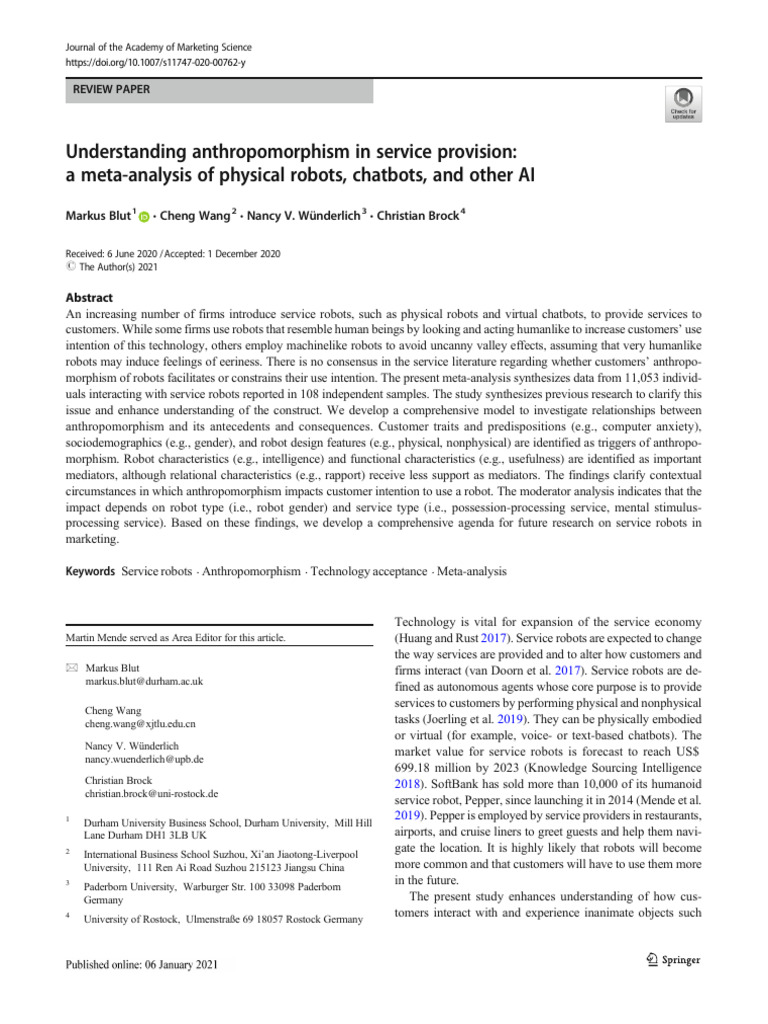
However, as society advances into the digital age, the practice of anthropomorphism has taken on a new dimension. Consider virtual assistants such as Siri and Alexa, whose friendly banter and human-like personas invite users to interact with technology in ways that are both intuitive and disconcerting. The allure of speaking to a digital entity that appears to understand our emotions and needs creates a veneer of connection that can mask the underlying algorithms driving their responses. This layering of perceived personality over artificial intelligence raises urgent ethical considerations regarding our relationships with these increasingly sophisticated systems.
One of the central concerns surrounding anthropomorphism in technology is the potential blurring of responsibility. When users unknowingly attribute human-like qualities to machines, they may begin to lose sight of the delineation between human error and mechanical malfunction. For instance, an autonomous vehicle that makes a catastrophic mistake may be colloquially described as having behaved “recklessly,” evoking a sense of culpability that should rightly reside with its developers and programmers. This detachment of responsibility can lead to an ethical quagmire where the accountability for failures becomes obscured, raising questions about moral implications and the definitions of agency and autonomy.
Furthermore, the emotional ramifications of anthropomorphism cannot be understated. The phenomenon encourages us to invest emotional energy into non-human entities, fostering a form of attachment that can be both heartwarming and potentially damaging. For example, the rise of robotic pets, designed to offer companionship without the care required by living animals, highlights this emotional entanglement. While these robots may provide comfort and connection, they also risk de-emphasizing genuine relationships with living beings. This is epitomized in the concept of “love,” which, when redirected towards anthropomorphized entities, may create a societal blind spot regarding the emotional needs of fellow humans and animals.
As we further entrench ourselves in virtual realities and digital interactions, another layer of ethical concern emerges: the dilemma of exploitation. Corporations are increasingly aware of the psychological impact of anthropomorphism, deploying it as a persuasive tool to enhance consumer engagement. From emotive marketing campaigns to chatbots designed to evoke empathy, the commodification of empathy raises questions about manipulation and the exploitation of human emotional responses for financial gain. Essentially, when companies humanize their products, they blur ethical lines, leveraging our innate proclivities toward compassion to drive consumption.
The question arises: can anthropology serve as a double-edged sword? The answer is intricately layered. On one hand, anthropomorphism can promote empathy—encouraging us to extend compassion beyond our species, fostering environmental stewardship, conservation efforts, and a sense of kinship with our planet. The portrayal of nature as a living, breathing entity can galvanize movements for sustainability and eco-consciousness. On the other hand, it can foster a superficial understanding that diminishes the complexities of ecosystems, potentially leading to misguided interpretations of nature’s needs and rights. Such exploitative tendencies call for a nuanced engagement that balances emotional investment with rational comprehension.
Looking toward the future, as artificial intelligence and robotics become more integrated into the fabric of our lives, the implications of anthropomorphism will only intensify. The conversation surrounding ethical AI and machine learning will need to adapt to address these anthropomorphic tendencies, balancing innovation with a careful consideration of moral ramifications. As we innovate, ethical frameworks must emerge, dictating how we ought to interact with these entities and delineating the boundaries of emotional investment.
In this context, education plays a pivotal role. Fostering a culture of critical engagement, where individuals are encouraged to question the behaviors and interactions with anthropomorphized systems, is essential. We must cultivate a populace that can appreciate the narrative allure of anthropomorphism while maintaining clarity regarding the reality of non-human agency and responsibility. Only through this critical lens can we ensure that our interactions with both technology and nature remain grounded in empathy, understanding, and ethical responsibility.
In conclusion, anthropomorphism presents both profound opportunities and complex challenges. The ethical concerns surrounding its ubiquitous presence in contemporary culture beckon a reflective examination of our values, decisions, and the future we wish to craft. As we traverse this evolving landscape, invoking wisdom, humility, and a sense of collective responsibility will be crucial in navigating the intricate tapestry woven between humanity and the myriad forms of consciousness we encounter.