Anthropomorphism, the attribution of human-like characteristics and emotions to non-human entities, is pervasive in our daily lives. This phenomenon extends far beyond children’s stories featuring talking animals; it permeates literature, art, and even our interactions with technology. By understanding anthropomorphism, readers can explore the psychological dynamics of emotional projection and the implications it has on our perceptions of the world around us.
At its core, anthropomorphism allows us to forge connections with those beyond our species. Whether through literature, media, or our personal lives, we often project human emotions onto animals and objects, shaping our experiences and understanding of their behavior. This article delves into the multifaceted nature of anthropomorphism, exploring its manifestations, psychological underpinnings, and cultural significance.
1. The Evolution of Anthropomorphism
Since antiquity, anthropomorphism has been entrenched in human culture. Ancient civilizations, like the Egyptians and Greeks, personified animals and deities, breathing life into myths and legends. This practice served not only to explain the complexities of the natural world but also to make sense of human emotions and morality. The anthropomorphic traits granted to gods and mythical creatures allowed people to navigate existential quandaries, offering relatable figures in a mysterious universe.
As time progressed, anthropomorphism could be seen flourishing in modern storytelling. Think of beloved characters such as A.A. Milne’s Winnie-the-Pooh or Lewis Carroll’s Cheshire Cat; these figures resonate with audiences because they reflect human sentiments, fears, and joys. Consequently, the practice of anthropomorphism remains a significant device in literature and cultural expressions, effectively creating dialogues about the human condition through the lens of the non-human.
2. Psychological Roots of Emotional Projection
The psychological basis for anthropomorphism is complex. One key aspect is our innate tendency to seek patterns and narratives. As creatures of stories, humans are drawn to framework-based interactions. When we attribute emotions such as sadness or joy to non-human entities, we create a narrative arc that adds meaning to our lives. This can facilitate empathy; understanding a pet’s feelings can enhance the bond between pet and owner, forming an emotional attachment that improves well-being for both parties.
This emotional projection can extend to inanimate objects as well, a phenomenon best illustrated by how individuals might name their cars or talk to their devices. The dubious connection lies in the acknowledgment of personification, where people invest their feelings into these entities, treating them as companions and confidants. This emotional bond can alleviate feelings of loneliness or alienation, underlining how anthropomorphism fulfills psychological needs.
3. Types of Anthropomorphic Expression
Anthropomorphism manifests in various forms, each offering insight into the human experience. For instance:
- Literary Anthropomorphism: In fiction, characters such as talking animals can serve as veils for exploring human nature. Fables and parables often utilize this technique to impart moral lessons, with anthropomorphic characters epitomizing certain virtues or vices.
- Media and Animation: Film and television often capitalize on anthropomorphism. Iconic animated figures like Pixar’s Finding Nemo exemplify this approach, skillfully employing human-like emotions to convey themes of adventure and familial bonds.
- Pet Ownership: Our relationships with pets exemplify emotional projection on non-humans. Owners often attribute feelings akin to their own to their pets, believing they experience joy, sadness, or even jealousy.
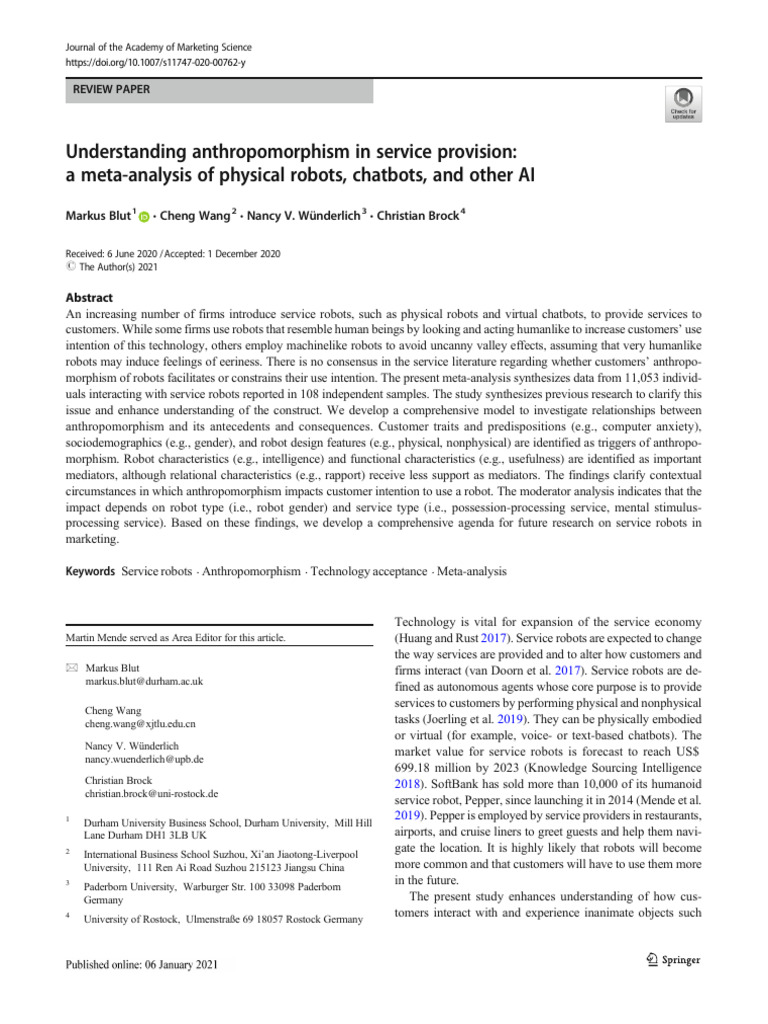
- Robot and AI Personification: With the rise of artificial intelligence in daily life, humans increasingly apply anthropomorphic labels to machinery. Whether through the voice of a virtual assistant or the expression on a robot’s face, we instinctively ascribe human attributes to make these interactions feel more relatable.
4. The Cultural Impact of Anthropomorphism
Anthropomorphism holds significant sway in shaping cultural narratives. For instance, the portrayal of animals in media can influence societal views on conservation and wildlife protection. By presenting endangered species as relatable characters, creators can galvanize public interest and action toward protecting their habitats.
Furthermore, anthropomorphism appears as a mechanism for coping with complex social issues. In political cartoons, artists often depict figures with exaggerated human traits to comment on societal matters, using humor and satire to engage audiences. Anthropomorphism legitimizes discussions that may otherwise be uncomfortable or taboo, allowing for an exploration of sensitive topics within a digestible framework.
5. Potential Pitfalls of Anthropomorphism
While anthropomorphism can foster connection, it is not without its drawbacks. Misunderstanding animal behavior or anthropomorphizing inappropriately can lead to unrealistic expectations. For instance, a pet owner may misinterpret fear in their dog as guilt, potentially causing frustration or mishandling of situations. Such misconceptions might impair the ability to interact with non-human entities on their own terms, leading to detrimental consequences.
Similarly, overreliance on anthropomorphism in technology can create a false sense of intimacy. Individuals may develop emotional attachments to virtual assistants or smart technologies, potentially leading to neglect of real-life relationships. The juxtaposition between virtual companionship and physical isolation raises critical questions about our evolving relationship with technology.
Conclusion
In conclusion, anthropomorphism illustrates humanity’s profound desire to connect with the world around us, serving as both a psychological tool and a cultural artifact. It enriches our narratives and fosters empathy, allowing us to engage with non-human entities in meaningful ways. However, it is paramount to approach anthropomorphism with a discerning eye, ensuring that our projections do not cloud our understanding of reality. As we navigate our complex emotional landscape, embracing the interplay between human and non-human sentimentality can illuminate the diverse fabric of the human experience.