Anthropomorphism, a term deriving from the Greek words “anthropos” (human) and “morphe” (form), involves attributing human traits, emotions, or intentions to non-human entities. While it often finds a place in literature, art, and folklore, anthropomorphism also permeates cultural narratives across various societies. But have you ever pondered the whimsical question: what if the non-human members of our world could genuinely articulate their thoughts and feelings? This evokes an intriguing challenge: what might those revelations reveal about human culture and society itself?
Understanding Anthropomorphism
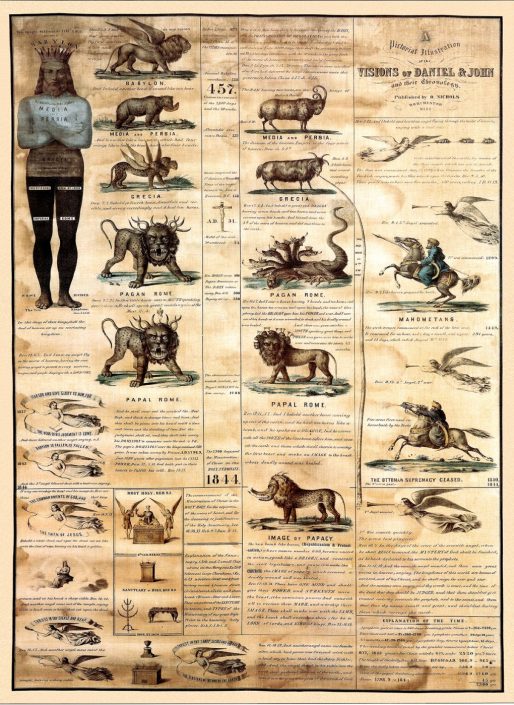
At its core, anthropomorphism serves as a bridge connecting the human experience with the vast array of life forms that populate our world. From the animated characters we grew up with to mythical figures like Zeus and Minerva, these personifications enrich our understanding of humanity by allowing us to explore our own virtues, flaws, and complexities through a surrogate lens. The essence of anthropomorphism lies in its ability to create an emotional resonance, enabling us to empathize with beings we may never interact with directly.
Cultural Reflections through Anthropomorphism
Cultures worldwide utilize anthropomorphism to express values, moral lessons, and societal aspirations. For example, in Indigenous cultures, animals are often depicted as wise teachers, embodying qualities humans aspire to achieve. The Coyote in Native American folklore frequently embodies cunning and intelligence but also represents the perils of trickster behavior. Through this lens, anthropomorphism acts as a mirror, reflecting cultural ideologies, aspirations, and trepidations.
Consider the tale of the Tortoise and the Hare. This fable transcends mere storytelling; it encapsulates timeless moral lessons—persistence, humility, and the danger of overconfidence. The animal characters serve as embodiments of human traits, allowing cultures to impart wisdom across generations. Herein lies a crucial aspect of anthropomorphism; it softens complex truths and makes them digestible for audiences of all ages.
The Psychological Appeal
Humans possess an innate propensity to seek connection and understanding. Through anthropomorphism, we extend our emotional landscape to embrace the natural world, thereby infusing vibrancy into our interactions. Scholars suggest that the humanizing of animals is instrumental in fostering empathy, reminding us that our well-being is inseparable from the ecological web surrounding us. When we envision dolphins as playful, intelligent beings or elephants as compassionate caregivers, we deepen our ecological consciousness and reinforce our ethical responsibilities toward non-human lives.
Playful Challenges in the Modern Context
However, a conundrum arises in our romanticized view of anthropomorphism. Do we risk oversimplifying the complexities of non-human existence? In our enthusiastic personifications, could we inadvertently distort their true nature or reduce them to mere caricatures? This playful inquiry begs us to reconsider the balance between appreciating non-human beings’ intrinsic right to exist and our tendency to impose our narratives upon them.
The growing environmental crises exacerbate this challenge. As humans increasingly encroach upon natural habitats, the anthropomorphized ideals we hold may clash with the often harsh, brutal realities of survival in the wild. Our narrative-driven ethos might overlook the authentic existence of a creature struggling to survive in its natural habitat. As we ponder these questions, we must confront ethical dilemmas regarding conservation efforts that rely heavily on anthropomorphic narratives to elicit empathy and support.
Political and Sociocultural Dimensions
Anthropomorphism also informs political and sociocultural discourse. The personification of nations or ideologies can wield significant influence, shaping public perception and sentiment. Take, for instance, the allegorical depiction of Lady Liberty or Uncle Sam in American folklore; these figures embody national ideals and compel citizens to connect with broader societal constructs. In politically charged climates, the anthropomorphism of ideologies can foster divisiveness or solidarity, demonstrating how the artistic lens can be a powerful tool in shaping collective consciousness.
The Future of Anthropomorphism
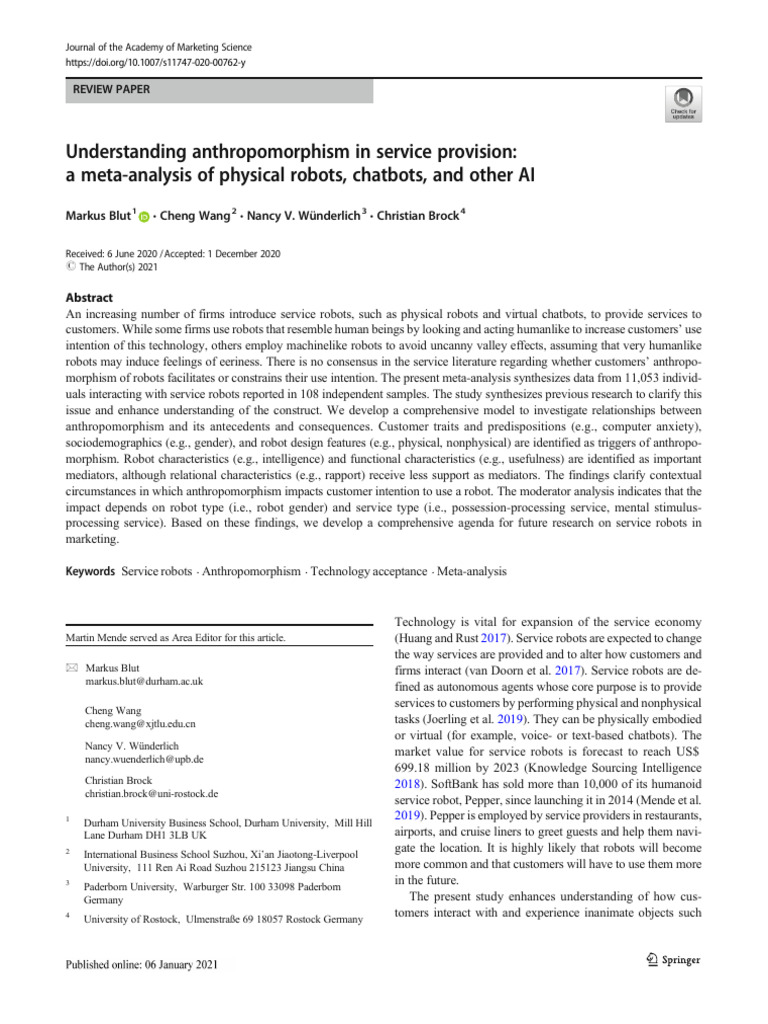
As our evolving relationship with technology continues to redefine interactions, anthropomorphism is taking on new dimensions. Artificial intelligence and robotic entities in popular culture often adopt human traits, raising questions of morality and authenticity. When a robotic companion consoles a grieving individual, does it genuinely understand empathy, or is it merely a reflection of programmed responses? This blurring of lines poses essential inquiries about humanity’s role in the technological narrative and invites us to reconsider our ethical obligations toward machines that mimic human behavior.
Moreover, the visualization of climate change frequently employs anthropomorphic elements in the narratives that highlight environmental crises. Characters like “Mother Nature” or “Father Time” embody nature in ways that are both relatable and emotive, urging action. These representations can mobilize communities, prompting individuals to take responsibility for environmental preservation and, perhaps inadvertently, complicate the intrinsic interdependence of nature.
Conclusion: Embracing Complexity
As we traverse the intricate landscape of anthropomorphism, it becomes evident that this multifaceted phenomenon encompasses far more than mere personification—it serves as a cultural, psychological, and ethical fulcrum on which societal narratives balance. While it invites playfulness, it also challenges us to confront our own prejudices and assumptions regarding non-human life forms. By understanding the transformative power of this practice, we can begin to appreciate not only the intricate tapestry of human experience but also the broader ecological narrative, nurturing empathy and responsibility toward the diverse inhabitants with whom we share this planet.