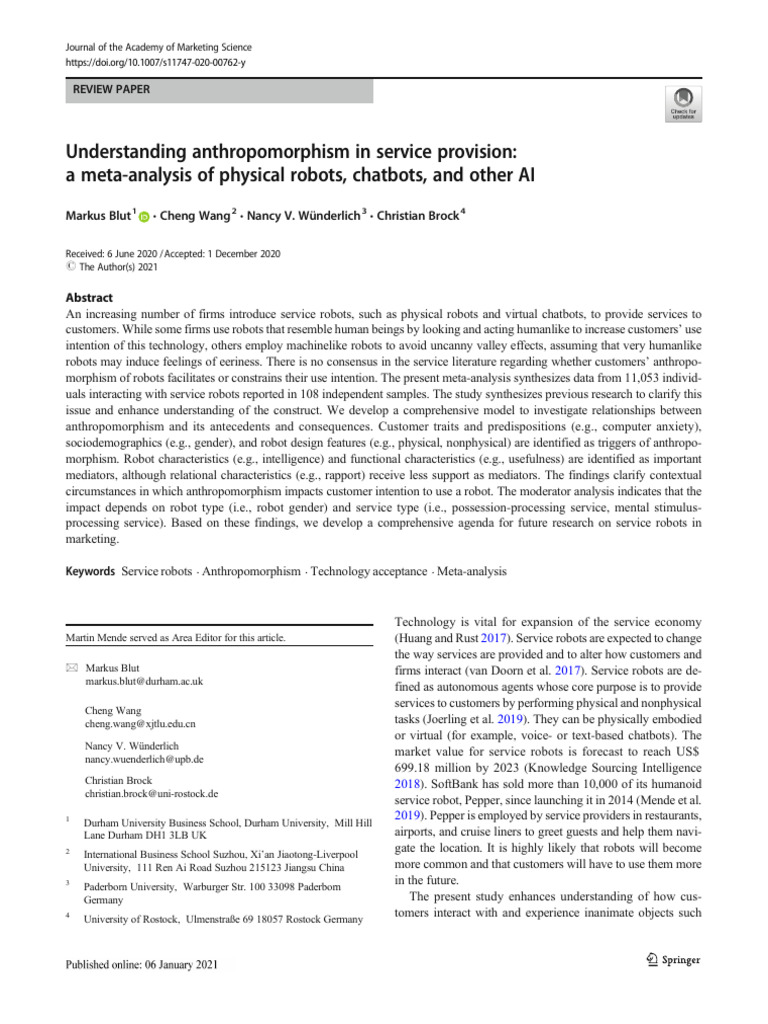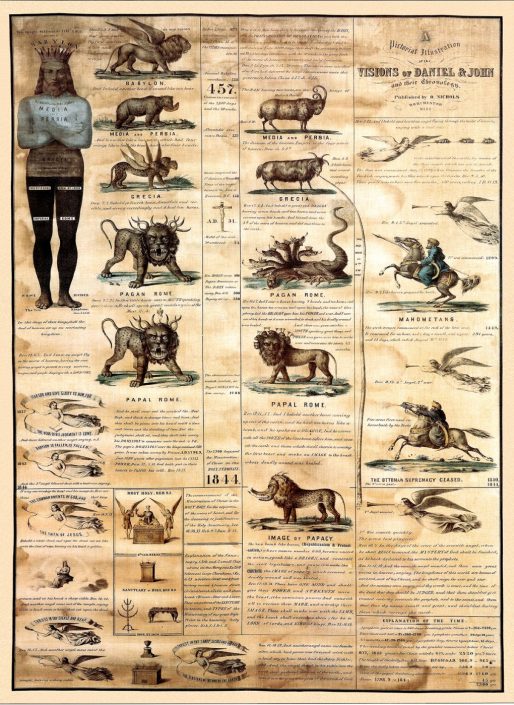
Charles Darwin, the eminent naturalist and father of evolutionary theory, did not merely revolutionize the biological sciences; he also delved into the intricate interplay of emotions and human experience. His observations extended beyond mere animal behavior, intricately intertwining with a profound exploration into anthropomorphic thinking—the tendency to attribute human emotions and characteristics to non-human entities, including animals and even inanimate objects. This inclination towards anthropomorphism not only illuminates our understanding of the living world but also reveals deeper insights into human psychology and our intrinsic connection to nature.
The origins of anthropomorphic thinking can be traced back to our ancestry. Early humans relied on their observations of the natural world as they sought to survive. Animals were not merely background entities; they were companions and adversaries, imbued with emotions that mirrored our own. This primal connection fostered a tendency to perceive animals as possessing thoughts, feelings, and intentions resembling our own. For instance, the empathy displayed towards animals during hunting or domesticating speaks to a yearning for relational depth, even with species outside our own.
Darwin’s seminal work, “The Expression of the Emotions in Man and Animals,” offers a compelling examination of this phenomenon. Through painstaking observation and documentation, Darwin proposed that emotional expressions are universal across species, a vestige of our shared evolutionary heritage. This notion transcends mere coincidence; it implies that our emotional responses may be wired into the very fabric of our being, stemming from an ancestral lineage that sought social cohesion for survival. This understanding prompts a deeper consideration: are we as a species traversing a continuum of kinship with all living creatures?
Anthropomorphism finds its roots in our need for connection, prompting us to ascribe human-like qualities to animals. When we observe a dog’s wagging tail or a cat’s purring, there is an instinctive reaction to interpret these behaviors as manifestations of joy or contentment. This emotional projection is not merely a psychological quirk; it fosters relationships and encourages empathy. In the context of Darwin’s theories, such attributions serve a critical purpose. By recognizing shared emotions, we bridge the gap between species, ultimately fostering a greater respect for the natural world that envelops us.
However, anthropomorphic thinking is not without its pitfalls. While it can enhance our understanding of animal behavior, it can also lead to misinterpretations. For example, attributing human motivations to animals can skew our comprehension of their natural instincts and behaviors. Consider the example of a lion hunting; inferring that it acts out of malevolence rather than instinctual survival undermines the complexity of its existence. Darwin’s extensive observations remind us to tread carefully along this path of emotional attribution, ensuring that our anthropomorphism enriches rather than obfuscates our understanding of the animal kingdom.
Moreover, the deleterious consequences of anthropomorphism can extend to conservation efforts. When projecting human emotions onto endangered species, conservationists may inadvertently create narratives that highlight certain animals over others, potentially neglecting entire ecosystems. This bias can skew research priorities and funding allocations, complicating the nuanced balance that ecological systems require. Herein lies a significant challenge; how do we maintain a compassionate view towards our fellow beings while also honoring their intrinsic nature?
Interestingly, Darwin’s insights extend beyond fauna and echo through our interactions with plants and even inanimate objects. The practice of naming plants, or speaking to them, animates the natural world, rendering it a partner in our existence rather than a mere backdrop. This phenomenon illustrates how deeply embedded anthropomorphic thinking resides within our cultural frameworks and personal lives. It gives rise to environmental stewardship, where individuals feel a profound kinship with nature, spurring activism for ecological preservation as an extension of care towards sentient beings.
In examining how anthropomorphism shapes our understanding and emotional responses, the implications stretch into psychology and philosophy. It prompts inquiries into the essence of consciousness and the shared experiences that may bind disparate species. Engaging with Darwin’s findings can illuminate the layers of complexity in emotional expression and instinctual behavior—elements that challenge us to reconsider what constitutes adequate understanding of intelligence, sentience, and emotional nuance across life forms.
Ultimately, Darwin’s exploration of emotions extends beyond mere scientific inquiry. It invites a philosophical contemplation of existence and the interconnectedness of all life. Our fascination with anthropomorphism—a behavioral artifact of our evolutionary past—continues to influence our narratives, relationships, and ethical frameworks. As we reflect upon the assumptions we harbor about other beings, it becomes increasingly vital to apply discernment in our attributions of emotion and intent, ensuring that we celebrate our kinship with the natural world without sacrificing the authenticity of its myriad forms.
In conclusion, Charles Darwin’s insights into emotions and anthropomorphic thinking not only contribute to the understanding of biological evolution but also provide a profound foundation for empathy, respect, and interconnectedness in our relationships with all living entities. Embracing both the scientific rigor and the emotional depth of Darwin’s legacy equips us to navigate the intricate tapestry of life with greater awareness and appreciation. In doing so, we honor the emotional threads that bind us to the world around us, acknowledging that our perceptions of nature are as meaningful as the reality of existence itself.