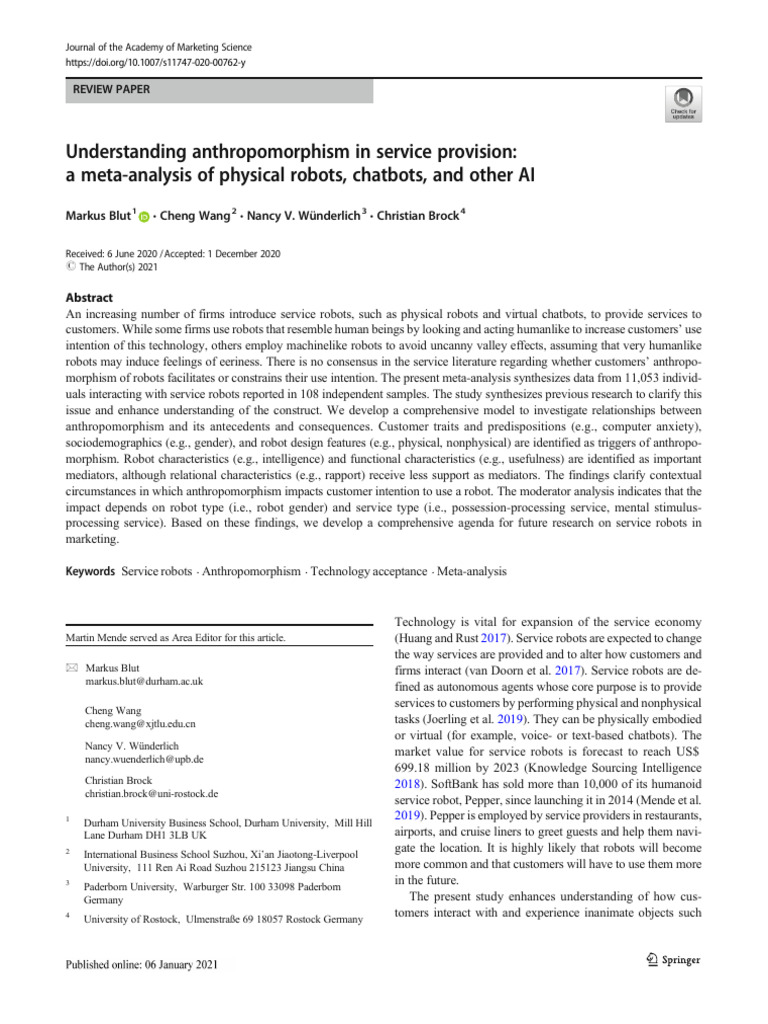
The rapid advent of artificial intelligence (AI) has spurred an intriguing discourse surrounding its potential to supplant human creativity. As algorithms evolve and machine learning paradigms increasingly approximate human cognitive patterns, a critical question arises: Can artificial intelligence genuinely replicate the essence of human creativity? This exploration unveils the delicate interplay between AI’s capabilities and the intricate nuances of human imagination, underscoring the anthropomorphism trap—a cognitive bias that ascribes human-like qualities to non-human entities.
At first glance, the allure of AI-generated artistry and innovation is palpable. From algorithmically produced music to machine-composed poetry, examples of AI’s creative outputs proliferate in contemporary culture. This burgeoning capability promises efficiencies previously unattainable, perhaps even sparking a renaissance in fields traditionally driven by human ingenuity. Nevertheless, it is essential to interrogate whether these outputs embody true creativity or are mere simulations devoid of soul or intent.
Artificial intelligence operates predominantly through vast datasets. It learns patterns, structures, and styles by analyzing a multitude of examples, thus enabling it to synthesize outputs that mimic human creativity. The potential results can be staggering: AI systems can generate compelling visuals, captivating narratives, or evocative melodies that might rival human creations. However, while the results are often astounding, they lead us to ponder an essential dichotomy—does this mimicry equate to genuine creativity?
To engage with this quandary, we must first delineate the essence of human creativity. It is not merely a function of technical skill or stylistic imitation; it encompasses emotional resonance, contextual understanding, and the capacity for original thought. Creativity erupts from a confluence of experiences, cultural backgrounds, and emotional depth, elements that AI lacks. Can an algorithm truly apprehend the intricacies of the human experience it attempts to emulate, or is it caught perpetually in a cycle of replication?
This brings us to the anthropomorphism trap: the tendency to project human emotions, intentions, and consciousness onto AI. In our quest to understand AI, we may erroneously attribute to it qualities it does not possess. For instance, when an AI-generated painting evokes feelings of nostalgia, one might naively assume the machine comprehends the emotional context it operates within. However, it is paramount to recognize that AI lacks awareness and subjective experience. Consequently, its “creations” emerge not from a place of inspiration or emotional drive, but rather from calculated outputs derived from programmed algorithms.
The anthropomorphism trap can skew our perception of the creative potential of AI. By attributing human-like motivations to non-human entities, we may overlook fundamental limitations inherent in their design. For example, while AI can analyze and reconfigure existing styles to generate art, it lacks the ability to innovate in the manner humanity does. The great artists, writers, and composers throughout history have not merely mirrored existing works but have forged new pathways through emotional exploration, cultural critique, and the juxtaposition of disparate ideas.
Yet the conversation surrounding AI’s role in creativity is not exclusively one of caution. The marriage of human and artificial intelligence introduces a transformative paradigm, one that could augment human creativity rather than replace it. Collaborative efforts where humans harness AI as a tool can yield extraordinary outcomes. For instance, artists can utilize AI to explore new forms and aesthetics, allowing for unprecedented experimentation. This dynamic symbiosis promises to expand the boundaries of creativity rather than confine them.
Moreover, the participatory nature of creativity invites a recalibration of our understanding of both human and machine-generated art. As we embrace a future where AI assists in the creative process, it challenges entrenched notions of authorship and originality. If a machine co-creates with a human, who bears the artistic credit? The answer may not be simple, for it reflects a mosaic of collaboration, experience, and technology.
However, should we advocate for a dystopian vision where AI monopolizes creative fields? Such a prospect should be approached with trepidation. A world overly dependent on AI for artistic expression may gradually erode the unique qualities that make us human. The richness of creativity lies in the subtleties of human experience, the messiness of emotion, and the raw energy of intuition—elements fundamentally absent in AI constructs. Thus, it becomes critical for society to maintain a dialogue about the ethical implications and potential repercussions of integrating AI into creative domains.
In conclusion, the question of whether artificial intelligence can replace human creativity is layered and complex. It necessitates a nuanced investigation into the nature of creativity itself, cautioning against the anthropomorphism trap while acknowledging the potential for collaboration. As we traverse the uncharted terrain of AI-driven creativity, we must cultivate a bilateral approach, celebrating human artistry while leveraging technology to enhance rather than supplant the irreplaceable qualities inherent in the human spirit. AI presents a unique opportunity—a tool to elevate and redefine creativity, urging us to reimagine our artistic futures, while still cherishing the unparalleled essence of human artistry.