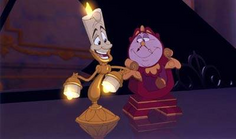
Anthropomorphism, the attribution of human traits, emotions, or intentions to non-human entities, has permeated various facets of culture and media. This fascinating phenomenon defies simplistic definitions, as it encompasses a broad spectrum of representations—from animated characters in children’s tales to sentient animals in literature. Understanding anthropomorphism is akin to unearthing a multi-dimensional tapestry of creativity, wonder, and psychological engagement.
Throughout history, anthropomorphism has been woven into the fabric of human storytelling. Ancient civilizations often depicted their gods with human forms, embodying virtues and flaws alike. This technique not only made the divine more relatable but also allowed communities to explore complex moral dilemmas and existential questions through familiar lenses. Today, its modern incarnation can be observed prominently in animated films, where animals and objects are imbued with human characteristics, often wielding a significant impact on audiences of all ages.
Consider the ubiquitous presence of anthropomorphism in contemporary media. Popular films and books, such as “Zootopia” and “Charlotte’s Web,” utilize anthropomorphized characters to convey profound social narratives. These stories are not merely entertainment; they serve as vehicles for exploring complex themes like friendship, sacrifice, and resilience. Through relatable characters that embody human experiences, creators invite viewers to engage in introspection. What does it mean to be human? How do our actions affect others? Such queries resonate deeply, transcending age barriers and cultural boundaries.
One remarkable twist in the anthropomorphic paradigm is its potential to foster empathy. By seeing the world through the eyes of an animal or inanimate object, audiences are encouraged to step outside their own experiences, igniting a cognitive shift. This psychological maneuver, often described as perspective-taking, allows individuals to grasp the motivations and struggles of others, both real and imagined. Psychological studies affirm that engaging with anthropomorphized characters can enhance empathic responses, bridging the gap between disparate lives and fostering a sense of interconnectedness.
Moreover, anthropomorphism serves an educational purpose, particularly in children’s literature. Characters like Winnie the Pooh or the animals in “The Wind in the Willows” present moral lessons in palatable formats. Young readers, drawn in by endearing characters, effortlessly absorb ethical principles interwoven within these narratives. They learn about kindness, courage, and the importance of friendship—lessons that might otherwise seem daunting if presented in abstract forms. Thus, these whimsical portrayals become conduits for moral education, nurturing young minds in enjoyable ways.
The allure of anthropomorphism is not confined to literature or film; it also manifests in marketing strategies. Companies harness anthropomorphism to create engaging and relatable brands. Think of the cheerful mascot, a cartoonish representation of the product, which cultivates a sense of familiarity and warmth. Companies like Geico and M&M’s exemplify how anthropomorphized creatures can transmute ordinary products into compelling narratives, fostering brand loyalty. In essence, when consumers personify brands, they are more likely to forge emotional connections, which profoundly influence purchasing behaviors.
Delving deeper, the nuances of anthropomorphism unfold in the dynamic interplay between reality and imagination. While attributing human-like characteristics to non-human entities can simplify complex concepts, it can also mislead. For instance, endowing pets with human emotions can skew our perceptions of their needs and capabilities. This can lead to misunderstandings in caregiving and expectations. The importance of recognizing the limits of anthropomorphism is paramount in ensuring a healthy balance between empathy and reality, particularly in our relationships with animals and the environment.
The dichotomy of anthropomorphism—its ability to foster connection yet potentially distort perceptions—invites a profound reconsideration of how we interact with the world around us. Every time a child speaks of their stuffed bear as a confidant or a pet cat is imagined as a wise sage, a beautiful yet complex relationship is initiated. This interplay between imagination and reality invites individuals to examine their intrinsic beliefs about identity, community, and responsibility within the broader tapestry of existence.
The realm of technology further intensifies the anthropomorphic discourse. In recent years, the rise of artificial intelligence has propelled anthropomorphism into unprecedented territories. From virtual assistants like Siri and Alexa to robotic companions, technology is increasingly personified. This blurring of lines engenders fascinating dialogues about consciousness, intimacy, and the future of human relationships with machines. As society navigates this anthropomorphized digital landscape, the implications of creating and interacting with sentient technology necessitate thoughtful exploration and ethical consideration.
In conclusion, the tapestry of anthropomorphism intricately weaves together human experiences, emotions, and wisdom across diverse contexts. Whether through the innocence of a child’s play, the poignant narratives of literature, or the functional repurposing of technology, it remains a powerful lens through which we can examine our ethical compass and relational dynamics. Embracing this artistic technique allows us to confront our own humanity—our flaws, aspirations, and capacity for connection. When viewed through the prism of anthropomorphism, we gain not only insight into non-human entities but also a profound understanding of ourselves and our place in a world thriving with meaning.