Anthropomorphism is a term that may elicit confusion or a polite nod of ignorance in casual conversation. It’s a word that feels heavy yet carries a light-hearted connotation when revealed in storytelling; it can also be viewed as a mere quaint quirk of language. However, beneath its multi-syllabic surface lies an intriguing concept that serves a profound purpose in literature, art, and even everyday life. As we delve deeper, it becomes evident that anthropomorphism is not merely a fanciful embellishment of language, but rather a significant lens through which we understand the world and ourselves.
The root of anthropomorphism is found in the Greek words “anthropos,” meaning human, and “morphe,” meaning form. This etymological foundation encapsulates the essence of attributing human traits, emotions, or intentions to non-human entities—be it animals, inanimate objects, or even abstract concepts. By giving form to the inexpressible, anthropomorphism becomes a bridge between the tangible and the intangible.
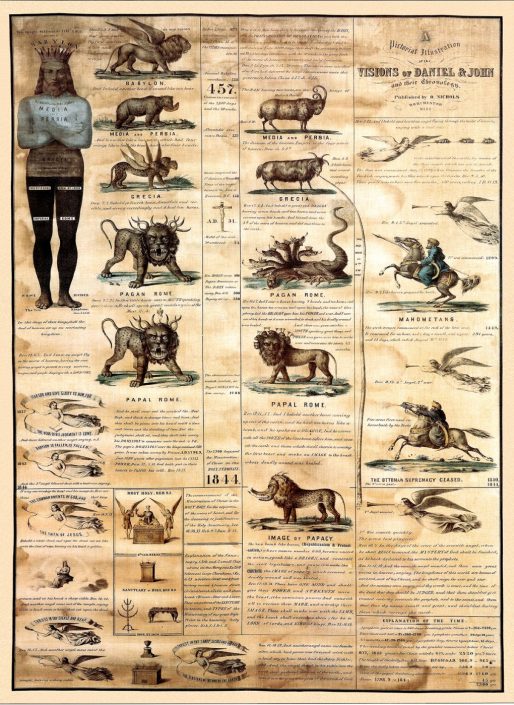
One may muse upon the timeless appeal of talking animals in fables. When a cunning fox engages in witty repartee with a naïve crow, the essence of their dialogues transcends mere entertainment. These anthropomorphized characters symbolize fundamental human traits and societal values— cunning versus foolishness, thus functioning as moral exemplars. The fox, with his crafty tongue, embodies self-preservation, while the crow represents ambition, often leading to folly. The allure of anthropomorphism rests firmly on its ability to encapsulate human dilemmas and moral quandaries within a playful narrative frame.
Rethinking anthropomorphism invites us to consider not only its role in narrative devices but also its vibrant presence in other domains, such as marketing and branding. Businesses have long understood the latent power of giving life to their brands through anthropomorphism. Think of beloved mascots like the cheerful Pillsbury Doughboy or the sagacious Geico Gecko. These characters humanize products, fostering emotional connections with consumers. They invite us to share moments and memories—creating not just customers but loyal enthusiasts who feel personally invested in the brand’s story.
Furthermore, the concept isn’t solely constrained to whimsical storytelling or commercial endeavors. In a more profound philosophical context, anthropomorphism manifests itself within our relationship with the natural world. When we refer to a storm as ‘angry’ or a gentle breeze as ‘whispering,’ we assign human characteristics to nature, transforming the environment into a companion rather than a backdrop. This reflects deeper psychological needs: we seek connection and understanding amid the chaos of existence. Nature becomes more relatable through these human-like qualities, engendering empathy and concern for ecosystems that might otherwise feel remote or indifferent.
Yet, this poses an intriguing paradox. While anthropomorphism can create relatability, it also risks oversimplifying the complexity of non-human entities. Assigning human emotions to animals or ecosystems may dilute their unique qualities, leading us to overlook the intricate behaviors and lives they lead. Consider the magnificent display of a peacock’s feathers: it is not merely for aesthetic grandeur but serves a purpose in mating rituals, functional circumstances by which we can only observe and marvel at the evolutionary tapestry unfolding before us.
This juxtaposition reveals a duality inherent in anthropomorphism—an alluring contradiction. On one side, it nurtures connection and understanding; on the other, it requires caution in how we define realities outside human experience. To engage with anthropomorphism meaningfully, one must embrace a delicate balance between humanization and an appreciation for the complexity of other forms of existence.
In literature, masters of anthropomorphism, such as Aesop and George Orwell, have wielded this technique with finesse. In *Animal Farm*, Orwell didn’t merely create talking animals but crafted a mirror reflecting human society’s flaws—abuse of power and the corruption of ideals. The animals in this narrative become symbols steeped in human political commentary, inviting readers to recognize their own characteristics mirrored in these creatures. The beauty lies within this reflective interplay; anthropomorphism, when wielded skillfully, lends itself to deeper insights about human nature.
Today, as we traverse the challenges of society—environmental degradation, societal disintegration, and technological alienation—we may find solace in anthropomorphism. It provides a mode of expressing our stories, grievances, and aspirations seamlessly, encapsulated in characters we can recognize as reflections of ourselves. The battles against socio-political injustices gain momentum when expressed through the lens of relatable beings. Whether it be an animated film invoking empathy for a misunderstood villain or a poignant novel about a sentient robot searching for identity, these narratives resonate deeply within us.
Furthermore, as we continue to contend with the implications of artificial intelligence and scientific advancement, anthropomorphism will increasingly play a vital role in humanizing technology. As machines become more integrated into our daily lives, attributing human traits to them—whether through language or visual representation—can foster comfort and familiarity. This relationship serves to demystify the unknown, transforming fear into understanding.
In essence, anthropomorphism is an intricate tapestry woven from the threads of imagination and reality. It challenges us to rethink our perceptions, to bring forth dialogue on the ethics of representation, and to cultivate a deeper appreciation for the tapestry of existence surrounding us. Rather than dismissing anthropomorphism as a trivial artifact of literature, we must embrace its capacity to enlighten, connect, and nurture. Let us wield it wisely, keeping in mind that within the hearts of our most vibrant stories, both human and non-human, lies the universal search for meaning and understanding.