In the sacred tapestry of biblical literature, the notion of anthropomorphism weaves a profound and intricate pattern. It serves as a bridge between the transcendent realm of the divine and the finite understanding of humanity. This article delves into the immense significance of anthropomorphism within biblical texts, elucidating its role as a tool for conveying the ineffable nature of God to human comprehension.
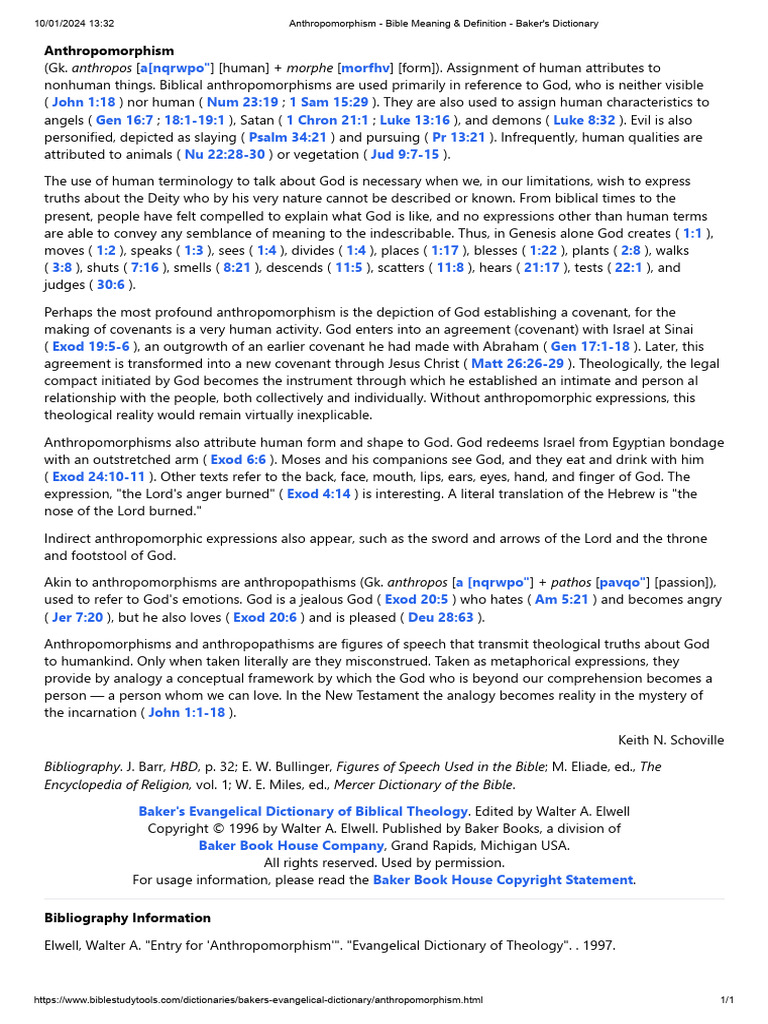
Anthropomorphism, derived from the Greek words “anthropos” (human) and “morphe” (form), is the literary device that attributes human characteristics and emotions to non-human entities. In biblical contexts, this often refers to the portrayal of God in terms relatable to human experience — as a sovereign king, a father, or even a shepherd. These representations foster an intimacy between the divine and the faithful, inviting believers to perceive God not merely as an abstract entity but as an accessible presence in their lives.
At the core of understanding anthropomorphism in the Bible lies the recognition that it serves a dual purpose: it divinely illustrates God’s nature while simultaneously aiding the human comprehension of divine complexities. The paradox of God’s enormity juxtaposed against His personal engagement with humanity is encapsulated beautifully through this literary method.
This exploration begins with the potent image of God as a shepherd, a recurring motif found throughout the Scriptures. An exemplary passage, Psalm 23, tenderly portrays the Lord as “my shepherd,” accentuating care, guidance, and protection inherent in the shepherd’s role. Through this anthropomorphic depiction, believers are invited to experience divine guidance in a way that resonates with their personal journey — evoking images of pastoral landscapes and the gentle leading of sheep. The metaphor not only communicates the nature of God’s protective love but also highlights the expectation of trust and reliance upon divine provision.
Moving further into the annals of the Old Testament, we unearth the anthropomorphic characterizations of God’s attributes such as anger, love, and compassion. In Exodus 34:6-7, the Lord is described as “merciful and gracious, slow to anger, and abounding in steadfast love.” Each of these descriptors personifies God’s emotional response to human behavior, anchoring theological truths in relatable human experiences. The anthropomorphic lens allows individuals to understand God’s justice and mercy as they grapple with the weight of their own imperfections, nurturing a dual recognition of divine goodness and human frailty.
Moreover, anthropomorphism invites readers to embrace the beauty of divine communication through evocative imagery. The metaphor of God’s ‘mighty hand’ in Deuteronomy 5:15 encapsulates the concept of deliverance and power. Here, the hand symbolizes strength and intervention, transforming the abstract concept of divine might into a stark, tangible force that intervenes in the course of human history. Such expressions ignite the imagination, inviting believers to contemplate the active presence of God in the ebbs and flows of life.
Anthropomorphic imagery proliferates in the New Testament as well, particularly through the person of Jesus Christ. As the embodiment of God’s love, Jesus is portrayed in ways that resonate deeply with human emotional and physical experiences. His maternal yearning, as depicted in Matthew 23:37, amplifies this connection: “How often would I have gathered your children together as a hen gathers her brood under her wings.” This poignant representation evokes themes of nurturing, safety, and love, providing a profound perspective on the divine nature that juxtaposes vulnerability against omnipotence.
Additionally, the Holy Spirit is often depicted through anthropomorphic imagery, representing the divine presence that comforts and empowers believers. In John 14:26, the Holy Spirit is referred to as the “Helper,” a term filled with relational connotations that affirm the Spirit’s role in guiding and teaching humanity. Such personified descriptors anchor the abstract notion of the divine presence into a function that believers can grasp and relate to within their daily lives.
Yet, one must tread carefully when interpreting anthropomorphism, as it risks projecting human limitations onto the divine. Paul the Apostle warns against such misunderstandings in Romans 1:20, emphasizing that God’s invisible qualities and eternal power are evident in creation but must not be confined to mere human efforts to articulate divine nature. The integrity of God transcends human descriptors, and thus, while anthropomorphic language enhances understanding, it ought not constrain theological depth.
In examining the anthropomorphic language of the Bible, one can appreciate its profound impact on shaping faith and nurturing a relationship with the divine. Through evocative metaphors, believers are drawn nearer to a God who is both majestic and intimately personal. The interplay of divine characteristics with human experiences cultivates a tapestry rich with theological insights, fostering a relationship that recognizes God’s transcendent nature while celebrating His imminent presence.
In conclusion, anthropomorphism in the Bible presents a unique approach to understanding divine language. Through richly layered metaphors, biblical texts do not just convey information about God; they create pathways for relational engagement. In the subsequent discussions, we will explore further the implications of anthropomorphism on theology and its vital role in fostering a vibrant faith community, uncovering its lasting relevance for contemporary believers.