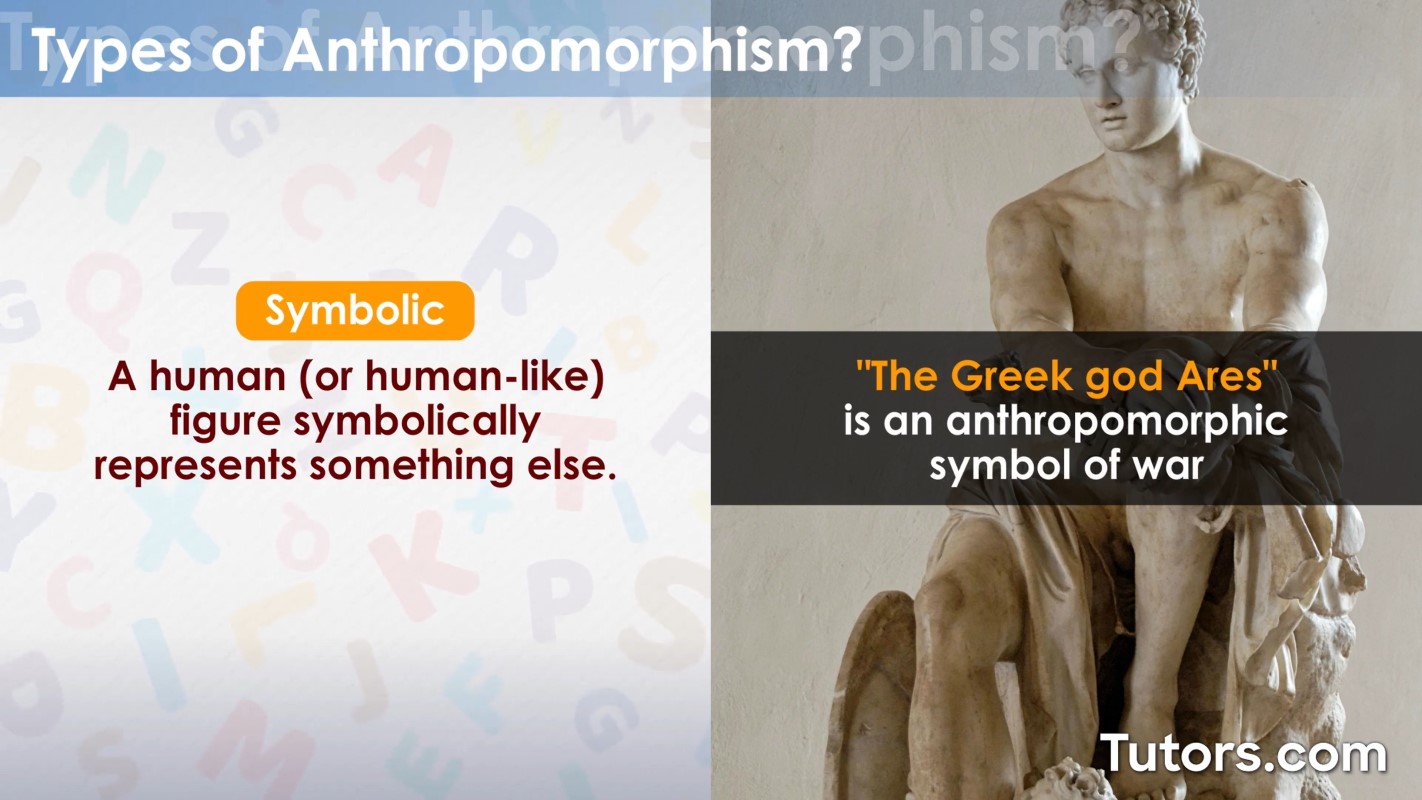
Anthropomorphism, the attribution of human characteristics or behaviors to deities, animals, or inanimate objects, finds a nuanced and complex expression within the framework of Judaism. This rich tapestry of belief systems, ancient texts, and cultural practices allows for a multifaceted understanding of how human-like attributes are ascribed to God and the natural world. In this exploration, we will delve into various contexts and interpretations that illuminate the role of anthropomorphism in Jewish theology, art, literature, and education.
1. The Theological Context of Anthropomorphism in Judaism
At the heart of Jewish thought is the enigmatic nature of God, often depicted in Torah and Talmudic literature. The concept of anthropomorphism emerges as a means of rendering the ineffable divine presence more relatable and understandable. Various scriptures present God in ways that might seem human, evoking emotional responses. For example, passages where God “speaks,” “sees,” or “rests” provide a framework through which believers can engage with the divine on a more personal level. Yet, classical Jewish scholarship warns against excessive anthropomorphism, with Rabbi Maimonides asserting that any corporeal depiction detracts from God’s true essence, which remains beyond human comprehension.
2. Anthropomorphism in Sacred Texts
The Hebrew Bible is peppered with instances of anthropomorphism, wherein God is described with human traits and emotions. The portrayal of God “walking” in the Garden of Eden (Genesis 3:8) is a poignant example, insinuating intimacy and accessibility. Other narratives, such as God’s “anger” or “loving kindness” (chesed), allow for a relational understanding that resonates with human experiences. These descriptions serve not only theological purposes but also narrative ones, inviting readers to explore their relationships with divinity, morality, and community.
However, interpretations vary significantly. For instance, mystical traditions within Kabbalah explore a more profound anthropomorphic symbolism, encapsulating divine attributes (Sefirot) in human terms to expound on spiritual growth and connection. This multi-layered approach enriches the comprehension of God’s presence in daily life, demonstrating how anthropomorphism operates on several levels.
3. Artistic Expressions of Anthropomorphism
Throughout history, Jewish artistry has engaged with anthropomorphic depictions in profound ways. Illuminated manuscripts, such as the “Bird’s Head Haggadah,” offer vivid portrayals of biblical stories where anthropomorphic motifs are prevalent. These artistic endeavors serve both decorative and pedagogical purposes, engaging viewers in contemplative dialogues with sacred narratives.
Furthermore, Jewish folk art often employs anthropomorphism to express spiritual themes; whimsical portrayals of anthropomorphic animals in folklore reveal moral lessons and cultural values. This evocative medium transcends mere aesthetics, functioning as an accessible entry point for deeper discussions around identity and ethics within Jewish life.
4. Literary Representations of Anthropomorphism
In Jewish literature, the anthropomorphism serves as a powerful tool for exploring existential and moral themes. It is prevalent in both classical texts and modern interpretations, where authors utilize anthropomorphic elements to investigate the human condition. Consider the playful yet profound musings found in the stories of Isaac Bashevis Singer, where animals often embody human traits, illustrating complex philosophical dilemmas.
Moreover, contemporary Jewish writers continue to grapple with the implications of anthropomorphism, often reflecting personal struggles with faith and understanding of God’s existence. Narratives exploring God’s “indifference” or “apathy” echo modern existential questions, merging anthropomorphic themes with individual lived experiences.
5. Anthropomorphism in Jewish Education
In the realm of Jewish education, anthropomorphism plays a pivotal role in teaching the ethical and moral lessons embedded in the tradition. By conceiving God in relatable terms, educators enhance younger generations’ comprehension of complex theological constructs. Pedagogical strategies often utilize anthropomorphic figures in storytelling, encouraging empathy and relational understanding among students.
Additionally, illustrated texts and age-appropriate interpretations of scriptures cater to diverse learning styles, fostering engagement through relatable narratives. This method enables students to connect with biblical stories personally, bridging the gap between ancient teachings and contemporary ethical living.
6. Challenges and Critiques of Anthropomorphism
While anthropomorphism offers enriching pathways for understanding, several critiques deserve attention. Traditionalist scholars maintain that anthropomorphic interpretations risk diminishing God’s transcendental nature, thereby convoluting the essence of monotheistic belief. The tension between accessibility and authenticity remains a focal point of scholarly debate, inviting continued exploration of how best to portray divine attributes in a manner that respects theological integrity.
Additionally, as culture evolves and intermingles with diverse beliefs, the anthropomorphism in Judaism may face new challenges that prompt reevaluation. Questions of relevance, interpretation, and representation arise, necessitating a framework that honors the past while engaging with contemporary realities.
Conclusion
Anthropomorphism within Judaism functions as a vital lens through which believers engage with the divine, enrich cultural expression, and navigate moral landscapes. By attributing human characteristics to God and exploring relational dynamics, Jewish thought cultivates a more profound understanding of spirituality and morality. As such, the exploration of anthropomorphism continues to be a rich field for theological inquiry, literary creativity, and educational engagement. In this delicate interplay between the sacred and the human, Judaism finds pathways toward deeper connection, empathy, and understanding.