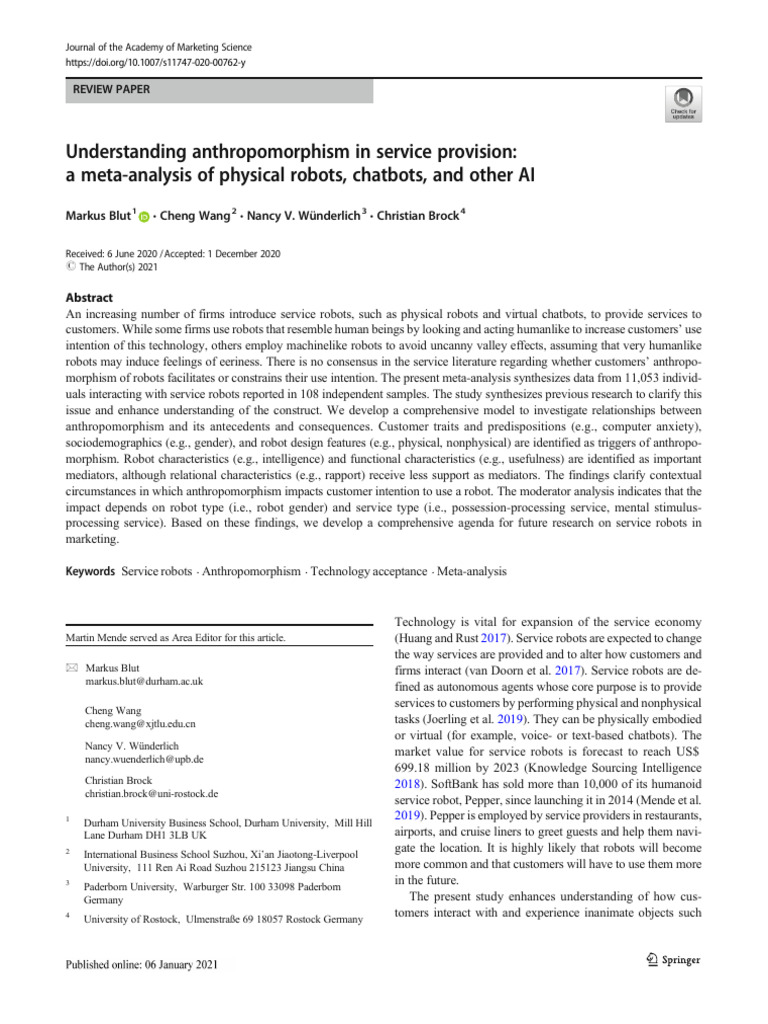
In the rapidly evolving landscape of technology, the interplay between humans and robots presents a captivating tableau of interactions. A phenomenon that has garnered significant attention is anthropomorphism—the attribution of human characteristics, emotions, and intentions to non-human entities. This tendency to humanize robots raises an intriguing question: is anthropomorphism in human-robot interaction ultimately helpful or harmful? As society stands on the precipice of unprecedented integration with robotic systems, it is imperative to delve into this multifaceted topic.
To embark on this exploration, one must first consider the benefits of anthropomorphism in human-robot interaction. At its core, anthropomorphism can foster greater engagement and acceptance of robotic systems. For instance, when robots exhibit human-like features or behaviors, they can evoke emotional responses that enhance user comfort and willingness to interact. This emotional connection is particularly crucial in fields such as healthcare, where robots assist elderly patients or individuals with disabilities. By embodying familiar human traits, these robots can alleviate feelings of loneliness and anxiety, making users more receptive to their assistance.
Moreover, the design of robots with anthropomorphic features often encourages intuitive communication. For example, a robot that gestures or mimics facial expressions can convey information more effectively than one that communicates solely through mechanical sounds or text. This aspect becomes vital in educational settings where robots serve as tutors or learning companions, effectively bridging the gap between learning and emotional engagement. Students may find it easier to articulate their queries and feelings to a robot that appears empathetic, thus enhancing the educational experience.
Conversely, one must consider the potential perils of anthropomorphism. While attributing human characteristics to robots can enrich interactions, it may also lead to unrealistic expectations. Users may mistakenly believe that a robot possessing human-like traits shares emotional understanding or moral reasoning akin to that of a human being. Such assumptions can precipitate disappointment, especially when the robot fails to respond in a manner consistent with these expectations. This phenomenon, often referred to as “the uncanny valley,” suggests that when robots closely resemble humans yet lack genuine human traits, they may elicit feelings of eeriness or discomfort.
Another critical avenue of concern is how anthropomorphism can inadvertently simplify the complex dynamics of human relationships. If individuals form emotional connections with robots, there is a risk that these interactions may supplant meaningful human connections. In a world where technology increasingly mediates interpersonal relationships, reliance on robots for companionship could foster social isolation. One must ponder: does this reliance detract from the essence of human interaction, or could it serve as a supplement to enhance human experiences?
Furthermore, the societal implications of anthropomorphism warrant scrutiny. As robotic technologies become more integrated into daily life, there is a possibility that certain social biases could be reflected and perpetuated through robot design. For instance, if a robot is designed with specific cultural or gendered traits, it may reinforce existing stereotypes rather than challenge them. Thus, it is imperative for creators and developers to prioritize ethical considerations in robot design, ensuring that anthropomorphic features do not undermine social equality or perpetuate prejudice.
Transitioning to the functional implications of anthropomorphism, one must also evaluate its impact on robot performance. While human-like attributes can enhance user engagement, they may inadvertently distract from the robot’s primary functions. In scenarios where precision and efficiency are paramount—such as in manufacturing or logistics—the humanization of robots could divert attention from performance metrics. Thus, it becomes a delicate balancing act: to imbue robots with anthropomorphic features while maintaining their operational efficacy.
Moreover, anthropomorphism poses a significant challenge in the realm of trust and reliability. Trust is a pivotal component of effective human-robot interaction, particularly in life-or-death situations, such as autonomous vehicles or surgical robots. If users feel an emotional connection to a robot, they may place undue trust in its capabilities, regardless of the objective data regarding its performance. This misplaced trust can have dire consequences, underscoring the necessity of establishing transparent communication regarding a robot’s limitations.
In a nuanced consideration of anthropomorphism, one must also explore the possibility of enhancing emotional intelligence within robots. By implementing responsive behaviors that align with human emotional states, developers can create more adaptive and capable robotic systems. The potential for robots to recognize and respond to human emotions can transform interactions, positioning robots as empathetic companions rather than mere tools. However, the ethical dilemma remains: how much emotional intelligence is too much? Could creating robots that closely mimic human emotions blur the line between human and machine?
In conclusion, the phenomenon of anthropomorphism in human-robot interaction presents a tantalizing conundrum. The benefits, including enhanced engagement and intuitive communication, are tempered by the possible drawbacks, such as distorted expectations, social isolation, and perpetuated biases. As society forges ahead into an era where robots become integral to daily life, it is paramount to navigate these challenges thoughtfully. Striking a delicate balance between human-like traits and the essence of technological function will define the future of human-robot interaction. As the exploration of this extraordinary interplay continues, society must remain vigilant—questioning not only the roles of robots but also the evolving nature of human relationships in a technologically augmented landscape.