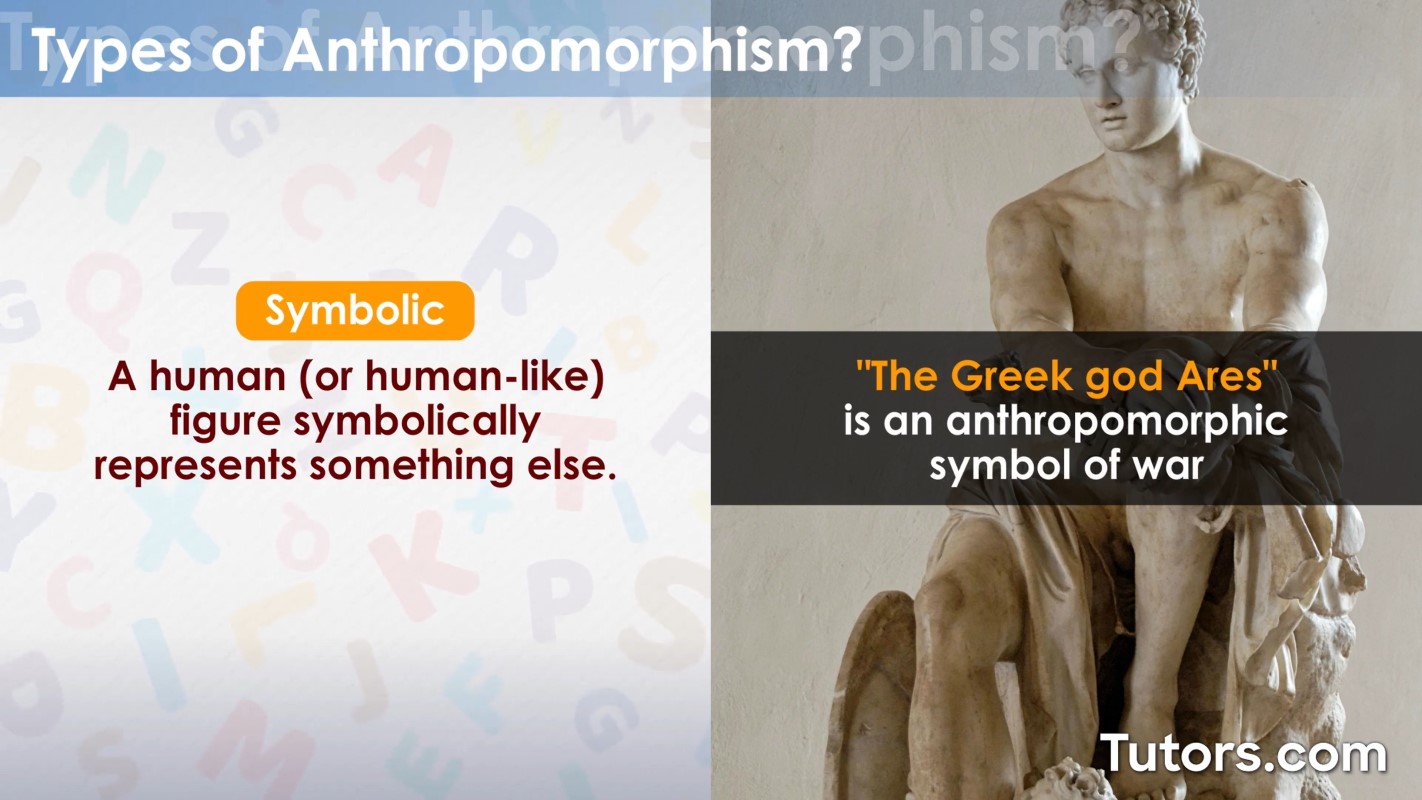
Anthropomorphism, the attribution of human traits, emotions, and intentions to non-human entities, serves as a powerful tool for understanding and interpreting the divine within various cultural narratives. In the vast and intricate tapestry of Hinduism, anthropomorphism manifests in a myriad of ways, enriching spiritual practices and connecting devotees with their deities on profound levels. This article delves into various aspects of anthropomorphism in Hinduism, exploring its implications, manifestations, and significance.
1. The Concept of Deity in Hinduism
Hinduism is replete with a panoply of deities, each embodying different facets of the cosmos and human experience. The anthropomorphic depiction of these gods allows followers to perceive them as relatable entities with whom they can engage emotionally and spiritually. Unlike abstract, formless concepts, these anthropomorphic figures make divine interactions more accessible. For instance, the beloved god Krishna is often depicted as a charming young man playing the flute, radiating joy and mirth. This portrayal invites devotees to connect with his playful nature and eternal youth.
2. Iconography and Visual Representation
The intricacy of Hindu iconography provides a profound study in anthropomorphism. Temples and artworks are adorned with vibrant carvings and paintings that depict deities in human-like forms, each characteristic imbued with symbolic significance. For example, the goddess Durga is often shown riding a lion, symbolizing power and ferocity against evil. Her ten arms represent her ability to combat various challenges simultaneously. Through these visual representations, followers not only venerate the divine but also internalize the qualities they aspire to embody.
3. The Role of Mythology and Epics
Hindu mythology, encapsulated in texts such as the Mahabharata and Ramayana, showcases anthropomorphism by portraying gods engaging in human relationships, moral dilemmas, and emotional trials. These narratives, richly woven with moral lessons, often position deities in relatable themes of love, vengeance, sacrifice, and redemption. For instance, Rama, an incarnation of Vishnu, exemplifies duty and honor while navigating the trials posed by his exile and the abduction of his wife, Sita. Such stories allow practitioners to reflect upon their own lives, finding solace and guidance through the experiences of divine characters.
4. Ritual Practices and Personal Connection
In Hindu rituals, the anthropomorphic aspects of deities play a fundamental role in fostering a personal connection between the divine and the devotee. Through offerings, prayers, and personal devotion, practitioners engage in a dynamic relationship with these anthropomorphized beings. The ritual of puja, where deities are treated as honored guests, exemplifies this phenomenon. The physicality of offering food, flowers, and incense transforms the ritual space into a vibrant communion, as practitioners perceive their deities as present, listening, and responsive to their needs and desires.
5. Theological Reflections on Anthropomorphism
The theological implications of anthropomorphism in Hinduism warrant extensive consideration. It raises questions about the nature of divinity and the limits of human understanding. While many philosophical schools within Hinduism emphasize the concept of Brahman — an unchangeable, formless reality — the anthropomorphic deities serve as accessible avatars that bridge the gap between the abstract divine and human comprehension. This duality reflects the belief that while God transcends human limitations, He also chooses to manifest in forms that resonate with human experiences and emotions.
6. Influence of Nature and the Cosmos
Anthropomorphism in Hinduism also extends beyond the divine beings and encompasses nature itself. Rivers, valleys, and mountains are often personified, endowed with consciousness and character. Ganga, the sacred river, is revered as a goddess who bestows purity and life. This perspective fosters a deep respect for nature, as adherents see these earthly elements not just as physical features but as living entities deserving reverence and care.
7. Contemporary Relevance and Adaptation
In contemporary Hindu practice, anthropomorphism continues to hold relevance. Artists and storytellers reinterpret ancient tales, blending traditional myth with modern contexts that appeal to younger generations. Television shows and films featuring gods and their anthropomorphic adventures resonate with a diverse audience, merging spirituality with entertainment. This adaptation ensures the ancient beliefs remain dynamic, allowing new interpretations to flourish while maintaining their core essence.
8. Critiques and Misunderstandings
Despite its widespread acceptance, anthropomorphism in Hinduism faces critiques, particularly from purist theological perspectives that advocate for a more abstract understanding of divinity. Some argue that humanizing the divine may lead to misconceptions about God’s true nature, distorting the essence of deity into relatable yet limited forms. However, pro-anthropomorphic scholars argue that these representations serve a vital purpose, facilitating emotional connections and providing relatable frameworks through which devotees can engage with complex spiritual principles.
9. Conclusion: The Lasting Legacy of Anthropomorphism
The impact of anthropomorphism in Hinduism is profound, providing a rich landscape where the divine realm intermingles with human experiences. It creates accessible pathways for worship and understanding, allowing individuals to navigate their spiritual journeys more intimately. As society continues to evolve, those anthropomorphic representations will adapt, ensuring they resonate with new generations while preserving the timeless wisdom embedded within these ancient traditions. This enduring relationship between humanity and the divine encapsulates the essence of Hindu spirituality — a dance between the eternal and the transient, the formless and the form.