Imagine walking into a laboratory where researchers are fervently studying the emotional responses of animals. You glance over at a dog, its tail wagging with fervor, and you can’t help but wonder: does that pup feel joy in the same way a human does? This question reverberates through the annals of emotion research, exposing the often unrecognized influence of anthropomorphism on scientific inquiry. Anthropomorphism, the attribution of human traits or emotions to non-human entities, serves both as a tool for understanding and a potential pitfall in emotion research. As we broaden our exploration, we will navigate the intricacies of how this cognitive bias shapes our scientific narratives and challenges our quest for objectivity.
The phenomenon of anthropomorphism is not new; it has roots in ancient mythology and literature. However, in the realm of scientific research, its implications have become a subject of meticulous examination. Researchers wrestle with the balance between recognizing sentience in non-human subjects and maintaining empirical rigor. As scientists progress in their understanding of animal emotions, the seductive pull of humanizing these experiences complicates the objectivity necessary for scientific inquiry.
Before delving deeper, it is pertinent to ask: Can we reliably separate human emotions from those we observe in the animal kingdom? This playful inquiry highlights the challenge faced by researchers who may unconsciously project their experiences onto the creatures they study. Consider the implications if the findings of emotion research are filtered through this anthropomorphic lens—does this not risk yielding a distorted reflection of reality? The stakes are high when the outcomes inform public policy, animal welfare initiatives, and our ethical treatment of non-human beings.
At the heart of emotion research lies the notion of quantifying feelings—difficult in itself, and even more so when anthropomorphic biases cloud our perspectives. The categorization of emotions, often based on human paradigms, poses significant challenges. For instance, traditional frameworks categorize emotions like happiness, sadness, anger, and fear, yet these categories often do not capture complex emotional states in animals, such as grief or joy derived from complex interactions. The anthropomorphic bias could inadvertently lead researchers to simplify or overlook the nuanced emotional lives of their subjects.
One compelling case study arises in the examination of primates. These intelligent creatures exhibit behaviors that, through an anthropomorphic lens, can be interpreted as evidence of complex emotional states. Research has shown that chimpanzees display grief when a member of their group dies, mirroring human mourning rituals. However, attributing human-like grief to these animals can lead to the misinterpretation of their behaviors, overshadowing other sociobiological explanations for their reactions. Could it be that anthropomorphism causes us to romanticize their experiences, diluting the rich tapestry of their existence into mere reflections of our own?
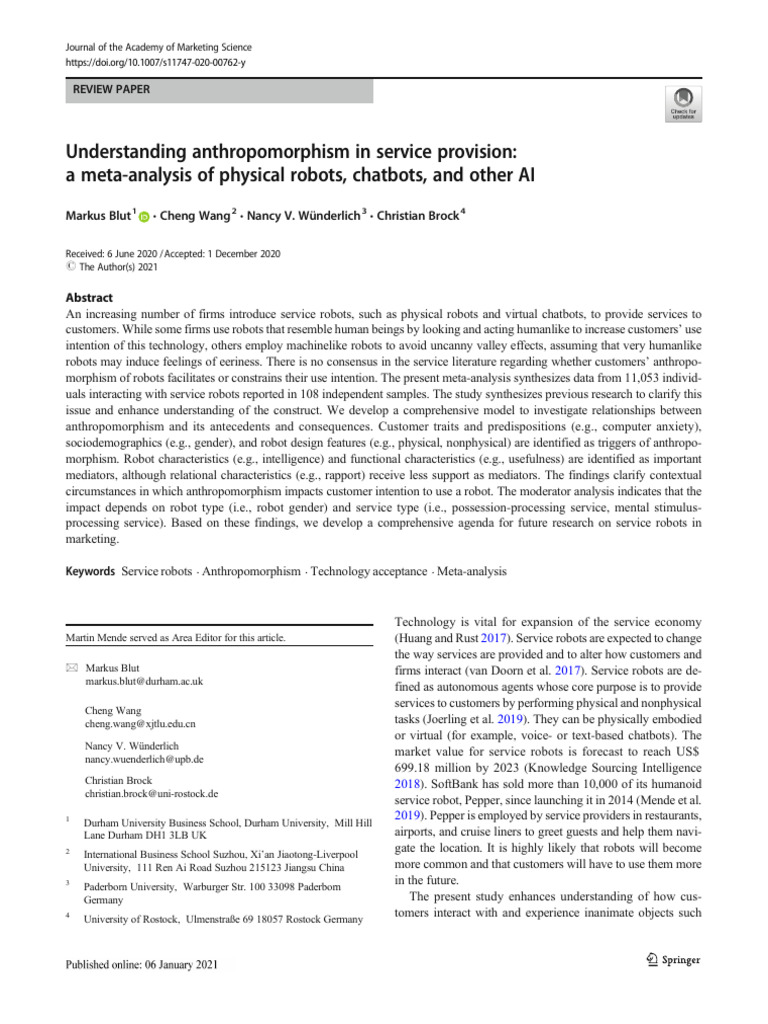
Furthermore, the attribution of human emotions to non-human entities extends beyond traditional subjects like dogs and primates. In the field of AI and robotics, anthropomorphism takes on new dimension. When humans interact with robots designed to mimic emotional responses, the lines between programmed behavior and genuine emotional engagement blur. Users often ascribe feelings to algorithms that are devoid of consciousness, fostering a sense of companionship that is inherently deceptive. This raises critical ethical questions about dependency on such technologies and the emotional ramifications of forging relationships with non-sentient beings.
The implications of anthropomorphism in emotional research delve deep into society’s fabric. From children growing up with animated characters that exhibit human feelings to the marketing of products through anthropomorphic branding, the impact is pervasive. When society readily embraces anthropomorphism, the risk lies in shaping perceptions of non-human entities that could influence decision-making processes. Thus, the societal consequences of anthropomorphism resonate far beyond academia, driving home the importance of a vigilant and discerning approach.
Despite the challenges it poses, anthropomorphism can serve as a bridge rather than a barrier in emotion research. By fostering empathy, this cognitive bias can spur greater interest in animal welfare and stimulate conversations around ethical treatment. Recognizing the emotional capacities of animals can galvanize conservation efforts, strengthen legislation, and reshape how humans interact with the natural world. Nevertheless, the question remains: how do we harness the potential of anthropomorphism while mitigating its distorting effects?
One solution lies in interdisciplinary collaboration. Bringing together researchers across fields—psychology, ethology, neuroscience, and philosophy—can foster a robust dialogue that scrutinizes the anthropomorphic tendencies inherent in each discipline. By sharing insights and methodologies, researchers can identify biases in their frameworks and evolve toward a more nuanced understanding of emotions across species. This collaborative spirit can pave the way for more comprehensive studies that honor the complexity of non-human emotional experiences.
In summation, the interplay between anthropomorphism and emotion research presents both a tantalizing opportunity and a formidable challenge. While this cognitive bias can enrich our understanding of non-human emotions, it can equally obscure the richness of their lived experiences. Ultimately, a conscientious approach that embraces critical reflection and interdisciplinary collaboration may yield a more profound understanding of the emotional landscapes shared by humans and the broader animal kingdom. As we stride into a future where our understanding of emotion expands, let us remain vigilant in questioning the shadows anthropomorphism casts on the scientific canvas.