Anthropomorphism, the attribution of human traits, emotions, or intentions to non-human entities, is a fascinating concept that stretches across cultures and languages. In Arabic, this idea resonates with rich linguistic nuances and cultural significance. Understanding how anthropomorphism manifests in the Arabic language requires not only a grasp of pronunciation and translation but also an exploration of its diverse applications through vivid examples.
### Understanding Anthropomorphism in Arabic
At its core, anthropomorphism serves as a bridge between the tangible and the intangible, allowing us to relate to the world around us. In Arabic, the term for anthropomorphism is تجسيد الإنسان (tajseed al-insan), a phrase that literally translates to “embodiment of a human.” This encapsulates the essence of the concept, where abstract or inanimate subjects are depicted as possessing human characteristics. But how exactly is this reflected in the Arabic language? That is where our exploration begins.
#### Pronunciation Insights
For those unfamiliar, the pronunciation of تجسيد الإنسان is broken down as follows: “tah-jseed al-in-san.” The term carries a rhythmic quality typical of Arabic, combining flowing sounds with emphatic consonants. Being aware of this pronunciation can enhance one’s appreciation for the linguistic beauty tied to anthropomorphic applications in Arabic literature and culture.
### The Importance of Context
Anthropomorphism is not merely a linguistic curiosity but a powerful tool for storytelling. In Arabic folklore and children’s stories, animals are often depicted with human-like qualities, thereby instilling moral lessons or cultural values. This raises an inviting question: how do cultural perceptions of animals shape our understanding of anthropomorphism? Consider the rich tapestry of Arabic fables; the clever fox or the wise owl often embody qualities that reflect societal norms and wisdom.
#### Examples in Arabic Literature
To illustrate, let’s delve into a classic tale—قصص الحيوانات – The Stories of Animals. In these narratives, animals are often personified, navigating their worlds much like humans do. A particularly well-known fable features a shrewd wolf who outwits his fellow forest inhabitants, showcasing the wolf’s cunning—traits that mirror human vices and virtues.
Envision a scene where a rabbit outsmarts a lion, a depiction that not only entertains but also serves as a commentary on humility and intellect over brawn. Through such narratives, anthropomorphism becomes a lens through which moral lessons are magnified, resonating with audiences across generations.
### Exploring Modern Applications
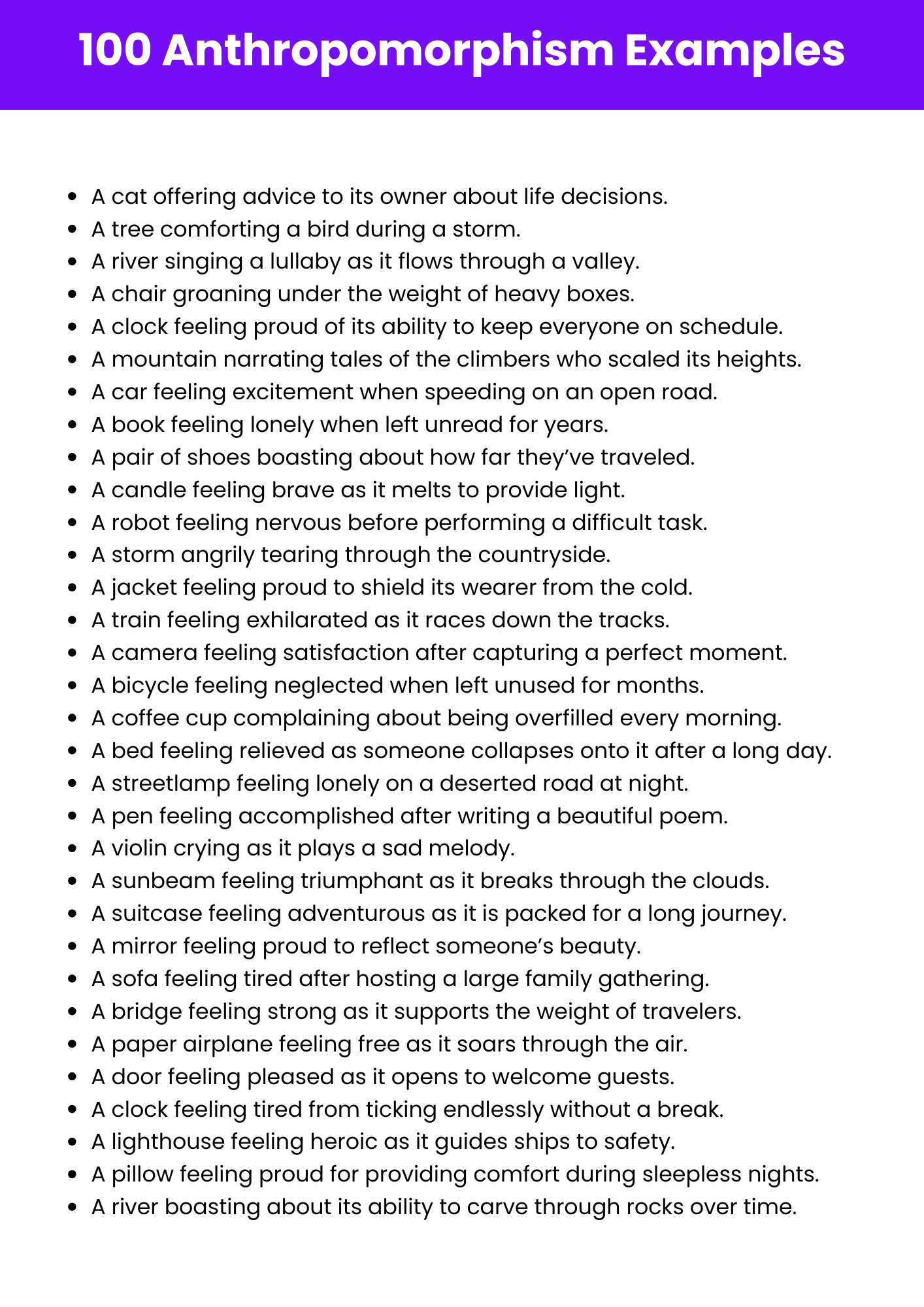
In contemporary Arabic literature, authors frequently employ anthropomorphism to create relatable characters and enrich their storytelling. This practice transcends traditional fairy tales, finding its way into poetry, novels, and even advertisements. For instance, in children’s cartoons, you might encounter a friendly talking car that teaches lessons about friendship, responsibility, and perseverance. These characters, while non-human, embody traits that reflect human experiences, drawing young audiences into their adventurous worlds.
#### Common Phrases and Their Significance
Arabic is replete with expressions that exemplify anthropomorphism. For example, the phrase السماء تبكي – The sky is crying evokes an emotional resonance, painting the atmosphere as sentient, capable of expressing sorrow. This phrase is often employed in poetry or songs, imbuing natural elements with human emotions to convey deeper meanings. Such expressions elevate the narrative, adding layers of sentiment and imagery that resonate with the audience.
### The Challenge of Translation
When one attempts to translate anthropomorphic expressions from Arabic to other languages, challenges abound. One might wonder: how can one faithfully convey the same emotional and cultural weight? This challenge lies in translating not just words but the underlying cultural significance. For example, translating the phrase الليل يتحدث – The night speaks requires more than linguistic equivalence; it necessitates an understanding of the cultural context that imbues night with character and narrative in Arabic literature.
### Personal Reflections Through Anthropic Imagery
Anthropomorphism encourages an introspective look at our interactions with the world. By humanizing elements of nature or abstract concepts, individuals may find a deeper connection to their surroundings. Consider the metaphorical representation of time as an old man—الزمن شيخ – Time is an old man. This portrayal not only illustrates the passage of time but also invites reflection on wisdom, maturity, and the transient nature of life itself.
### Conclusion: The Enduring Legacy of Anthropomorphism
In conclusion, anthropomorphism in Arabic is not merely a linguistic device but a vibrant tapestry woven into the fabric of culture and storytelling. Through thoughtful pronunciation, translation, and illustrative examples, one can appreciate how this literary device enriches both language and thought. As we continue to navigate our increasingly complex world, embracing anthropomorphism allows us to foster empathy and understanding, reminding us that in our imagination, the world around us is alive with possibility. In seeking to personify the non-human, we invite ourselves to explore new realms of creativity and emotional depth, transforming the ordinary into the extraordinary.