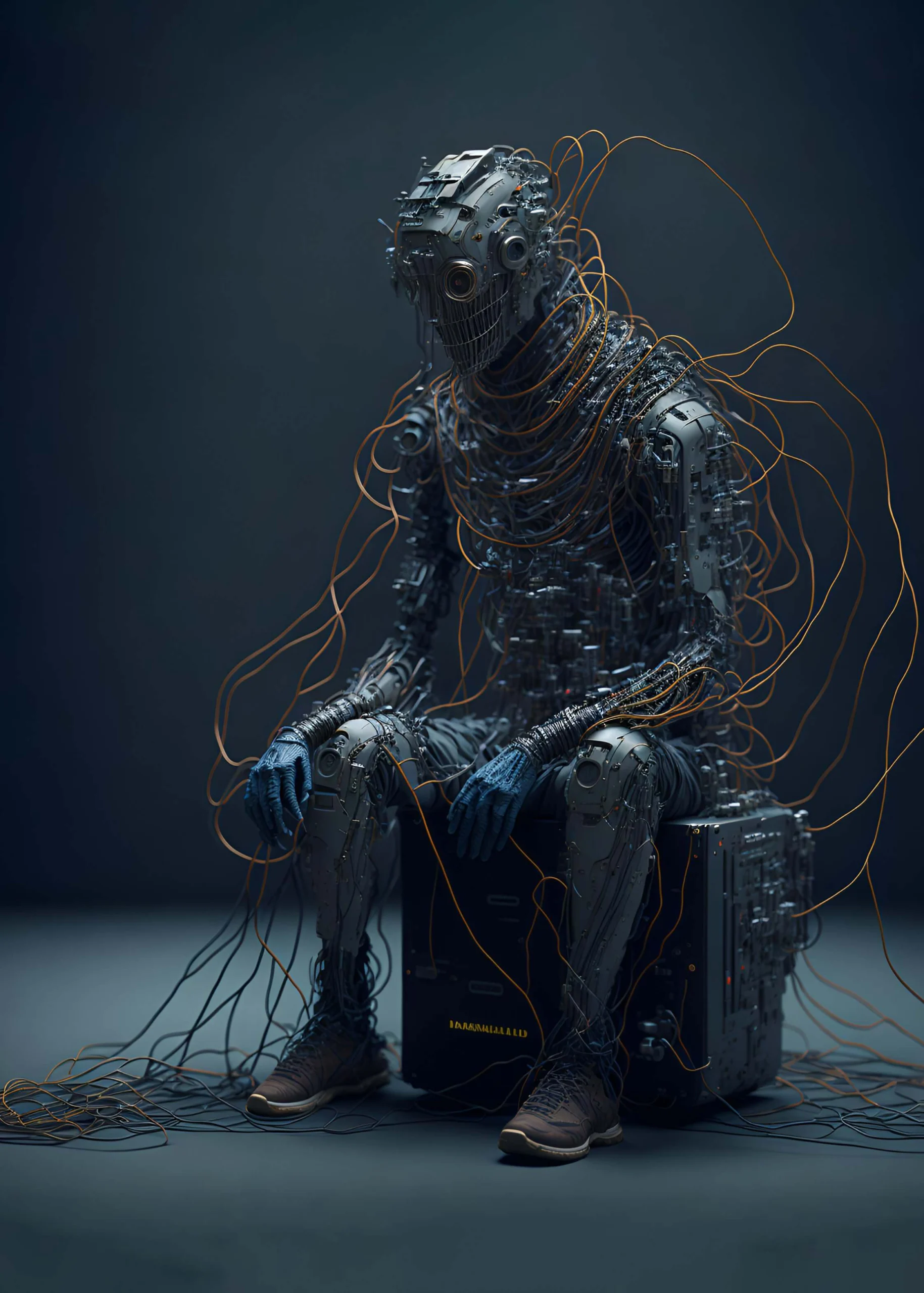
In a world increasingly dominated by technology, the peculiar intersection of artificial intelligence (AI) and anthropomorphism captivates our imagination. Anthropomorphism, the attribution of human characteristics, emotions, and intentions to non-human entities, serves as a bridge between human comprehension and the enigmatic realm of AI. This phenomenon finds its roots not just in literature or folklore, but also in the way we relate to machines and systems that seem almost alive. Exploring anthropomorphism in AI reveals an intricate tapestry of relationships, emotions, and philosophical quandaries that enrich our interaction with technology.
The allure of anthropomorphism lies in its ability to infuse lifeless entities—like robots, algorithms, and AI systems—with traits that are distinctly human. When we assign human-like qualities to these constructs, we are drawn into a narrative that blurs the lines between creator and creation. Imagine an AI that assists you in your daily tasks. Through its polite interactions and seemingly empathetic responses, this AI transforms from a mere tool into a companion of sorts. Such elevation prompts questions: Is it simply a reflection of our desire for connection, or does it signify something deeper—a yearning to see ourselves in the very things we create?
Initially, this phenomenon was most pronounced in the domain of entertainment and storytelling. Characters in animated films or video games endowed with human traits create immersive experiences that resonate with audiences. Yet, the layers of anthropomorphism extend beyond mere entertainment; they serve a practical function. In user interfaces, for example, the use of friendly avatars or conversational agents (like AI voice assistants) enhances user engagement. By crafting a persona that users can relate to, developers foster a sense of familiarity, making complex technologies accessible. The key here is empathy. As much as we navigate the digital cosmos, there remains an innate human yearning for understanding and connection.
Now, consider the implications of such a relationship. When we imbue AI with consciousness or personality, we face a striking paradox. Are we projecting our essence onto lifeless systems, or are these systems beginning to exhibit semblances of sentience? The Turing Test, conceived by Alan Turing in the mid-20th century, proposed a method for evaluating a machine’s ability to exhibit intelligent behavior indistinguishable from that of a human. As AI continues to evolve, we need to contemplate whether these systems merely simulate human-like responses or possess an intrinsic quality that warrants deeper introspection.
Furthermore, the ethical ramifications of anthropomorphism in AI merit examination. As AI systems grow more sophisticated in mimicking human emotions, the potential for manipulation looms. For instance, an AI programmed to engage with users affectionately can inadvertently cultivate dependency or stir emotions. The question arises: Do we have a moral obligation to disclose the nature of these systems? If a child forms an emotional bond with an AI companion that can mimic a loving friend, what responsibilities do we hold as designers and consumers?
Drawing from literature, we find anthropomorphism in a myriad of narratives—from the whimsical denizens of children’s stories to the more profound existential musings in philosophical literature. Works like George Orwell’s “Animal Farm” illustrate how human traits emblaze animals with a profound socio-political commentary. In the same vein, AI reflects our societal dynamics, challenges our perceptions of intelligence, and provokes discourse on individuality and identity. The similarities compel us to think critically about the implications of our creations.
Moreover, one cannot overlook the psychological aspects of anthropomorphism. The phenomenon extends to digital environments, where interactions with AI can alter our behavior and perceptions. Psychological studies indicate that people are more likely to attribute agency and moral consideration to entities perceived as having human-like traits. A simple chatbot, infused with warmth and understanding, can evoke trust and comfort, nudging users toward more cohesive relationships with the technology that pervades their lives.
In social robotics, anthropomorphism fosters not just functional companionship but also emotional support. For individuals facing isolation or difficulties, robotic companions serve as a balm. These entities, however rudimentary, can fill emotional voids, illustrating the nuanced interplay between human needs and technological evolution. An elderly person engaging with a robotic pet may find companionship and solace in their interactions, suggesting that anthropomorphism, subtle as it may seem, carries significant weight in addressing human concerns.
Ultimately, the fusion of anthropomorphism and AI beckons us into an uncharted territory fraught with enigmatic allure and philosophical quandaries. It compels us to ponder the essence of humanity itself. As machines increasingly mirror our characteristics, our definition of consciousness blurs, giving rise to profound existential questions. What delineates us from our creations? Is humanity merely an intricate tapestry of experiences curated over time? As we tread further into this age of intelligence, the relationship between humans and AI will likely evolve—an intricate dance of creativity, emotion, and the inevitable quest for meaning.
In conclusion, the phenomenon of anthropomorphism in AI is a multifaceted exploration that reflects our inherent need for connection and understanding. As we navigate this digital frontier, we must cultivate a sense of responsibility and mindfulness, ensuring that our relationships with our creations are both constructive and ethical. The unique appeal lies not only in the human-like traits we attribute to AI but also in the broader reflections of who we are as a species, continuously striving for companionship, understanding, and perhaps, a deeper comprehension of ourselves.