Anthropomorphism is an intriguing linguistic and artistic device that imbues non-human entities—be they animals, inanimate objects, or even abstract concepts—with human-like characteristics, emotions, and motivations. This fascinating phenomenon is not merely a whimsical adornment to storytelling but is entrenched in diverse cultural narratives, religious texts, and modern art. By examining anthropomorphism’s definition, meaning, and everyday usage, we can delve into why this concept captivates our imagination and reflects deeper truths about human nature.
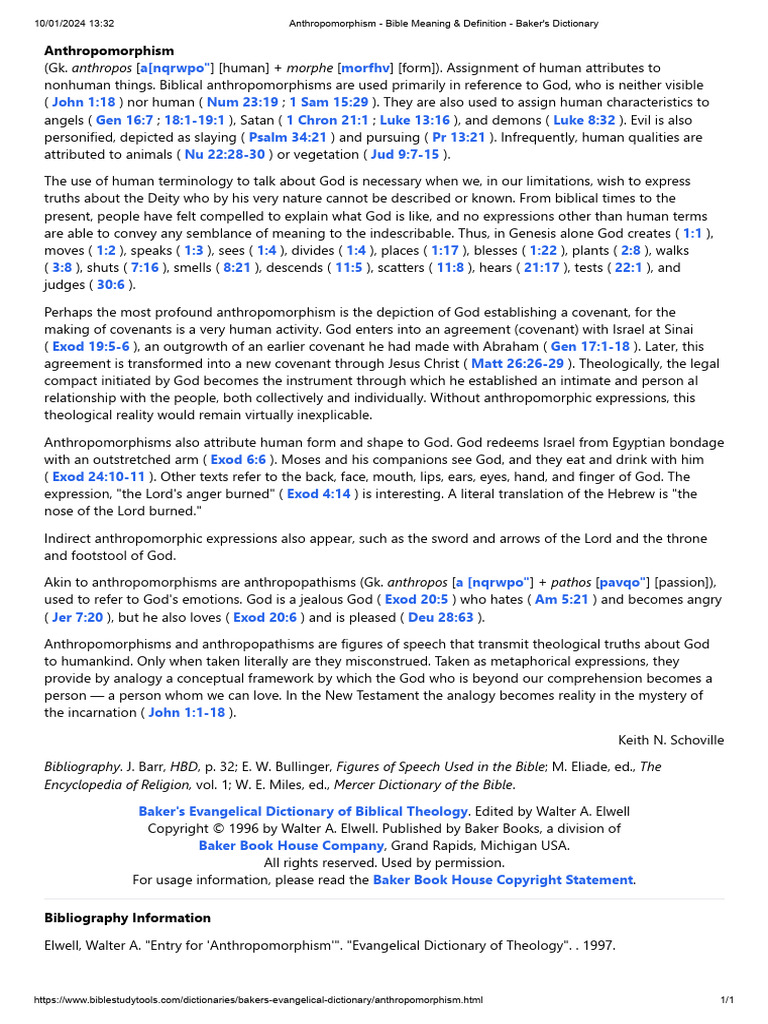
To start with, the term ‘anthropomorphism’ itself is derived from the Greek roots “anthropos,” meaning human, and “morphe,” meaning form or shape. In essence, anthropomorphism involves the attribution of human traits or behaviors to non-human subjects. This practice is pervasive, not limited to folklore or children’s literature, but also populating our adult narratives—whether in feature films, literature, or even scientific discourse.
The allure of anthropomorphism lies in its ability to foster empathy and relatability. For example, think about the beloved characters from children’s animations—Mickey Mouse, Winnie the Pooh, or the Lion King’s Simba. These characters exhibit not only human emotions but also complexities that resonate with our own experiences of love, fear, and joy. By projecting human qualities onto these non-human characters, storytellers create a bridge that allows audiences, both young and old, to connect with themes and ideas that might otherwise feel distant or abstract.
In literature, anthropomorphism can serve as a vehicle to explore profound themes and moral lessons. Classic fables, such as those authored by Aesop, use anthropomorphized animals to critique human behavior and societal norms. The tortoise and the hare teach us about the virtues of perseverance and humility. Similarly, George Orwell’s “Animal Farm” employs anthropomorphic animals to critique totalitarianism and examine the mechanics of power corruption. In these narratives, the human-like characteristics of the animals facilitate a closer examination of human weaknesses and societal flaws while engendering an entertaining and approachable format.
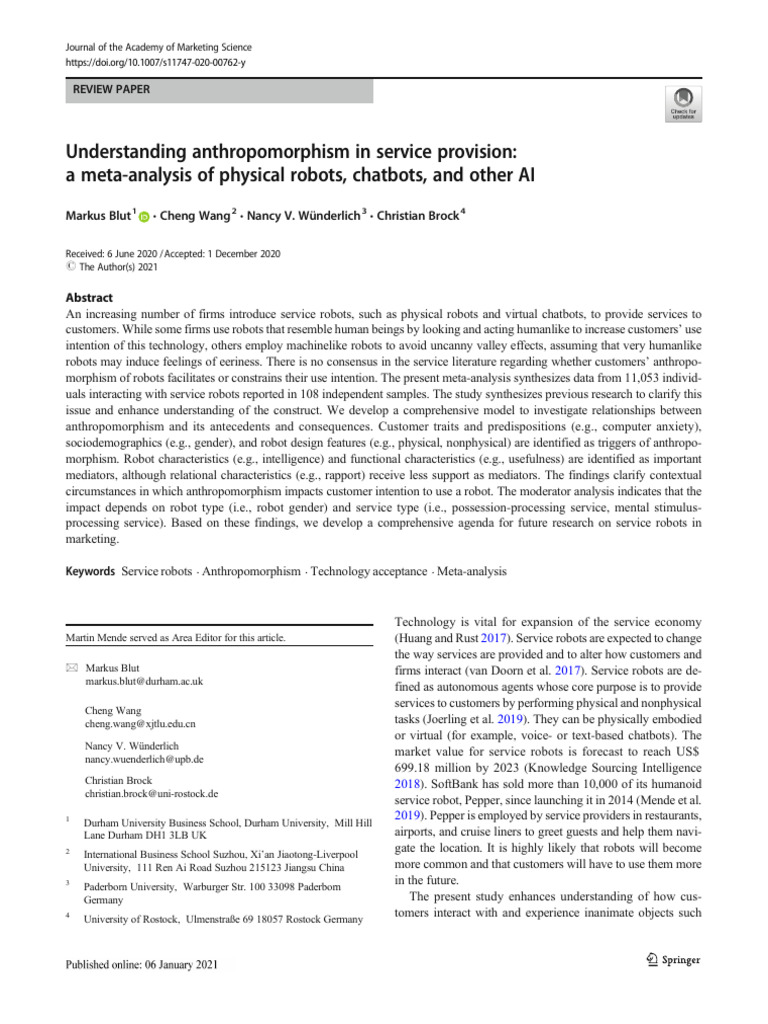
Beyond literature, anthropomorphism integrates itself seamlessly into our daily lives, embedding itself within the framework of our interactions with technology and nature. Think of the way we talk to our smartphones or virtual assistants—often using the names “Siri” or “Alexa” as if they were friends standing by our side rather than sophisticated algorithms. We may express frustration at a slow-loading website or affection for the reliable performance of a favorite app. This tendency to ascribe human emotions and personalities to technology hints at a psychological need for companionship, understanding, and connection, even in our interactions with artificial intelligence.
Nature, too, is replete with anthropomorphic imagery. We often refer to weather patterns with human traits—describing a sun-drenched day as “cheerful” or a tempest as “angry.” Such language not only infuses our conversation with vibrancy but also underlines an intrinsic bond between humans and their environment. This connection reveals a deeper archetype—our desire to make sense of a complex world by relating it to our own experiences. In personifying elements of nature, we simultaneously express our reverence for and our attempt to comprehend the forces that shape our lives.
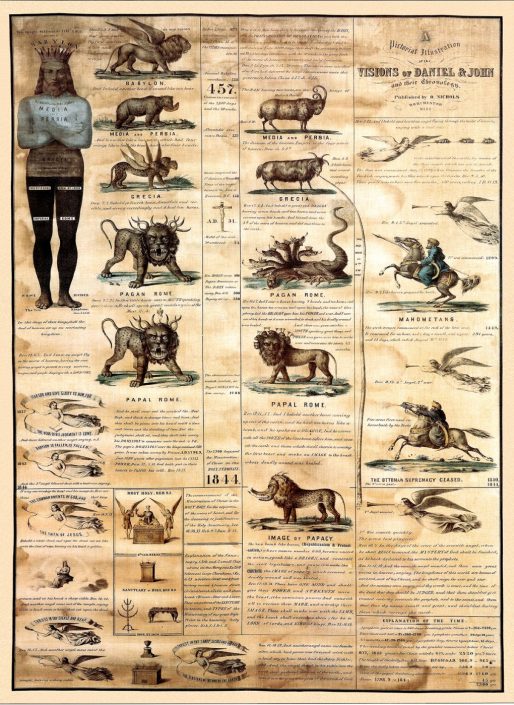
Anthropomorphism also plays a crucial role in religion and spirituality. Many religious texts employ anthropomorphic language and imagery to articulate divine characteristics. God is often depicted as a loving father or a shepherd guiding his flock. This personification helps make the abstract nature of divinity more tangible, allowing believers to forge a deeper emotional connection to their faith. The anthropomorphic framing of higher powers as benevolent figures fosters trust and intimacy, reducing the mysteries of spirituality into more relatable narratives.
The psychological phenomenon behind our fascination with anthropomorphism is layered. One compelling theory posits that projecting human characteristics onto non-human entities fulfills our innate need for social interaction. This is particularly emphasized in times of solitude or crisis, when individuals may find comfort in ascribing personalities to pets, plants, or even inanimate objects like toys or household items. The concept of having a “comfort object” underscores how anthropomorphic attributes might become a source of emotional support, as individuals navigate their inner worlds.
In contemporary art, anthropomorphism continues to flourish as a way to probe social commentary. From the surrealist visions of Salvador Dalí to modern installations that reflect on consumerism, artists harness anthropomorphic imagery to challenge perceptions and provoke thought. By giving life to the inanimate, they compel viewers to question the societal values imbued within these objects. This method of exploration elevates discussions about identity, agency, and existentialism, entwining the audience in a web of introspection.
In conclusion, the practice of anthropomorphism intertwines seamlessly with various facets of human existence—across literature, technology, spirituality, and art. This powerful literary and communicative tool enables us to explore complex themes, forge connections, and delve into our intrinsic desire for understanding and empathy. Our fascination with anthropomorphism is not merely a quaint quirk of language but a profound reflection of our shared humanity and the eternal quest for belonging, meaning, and connection in an ever-evolving world.