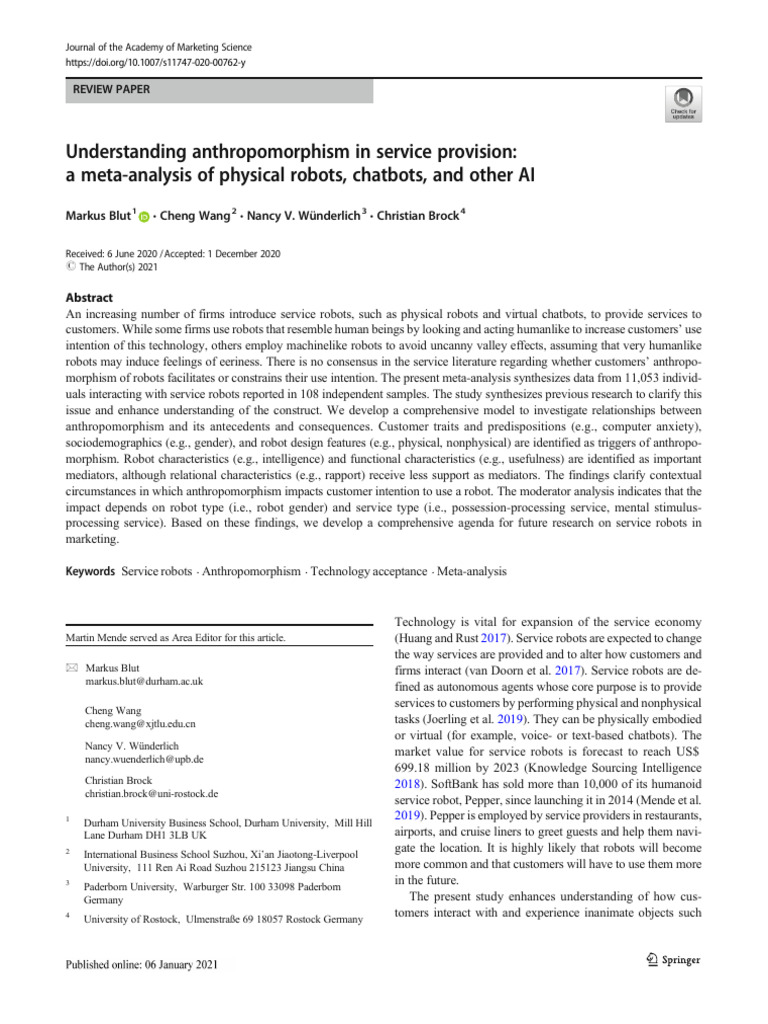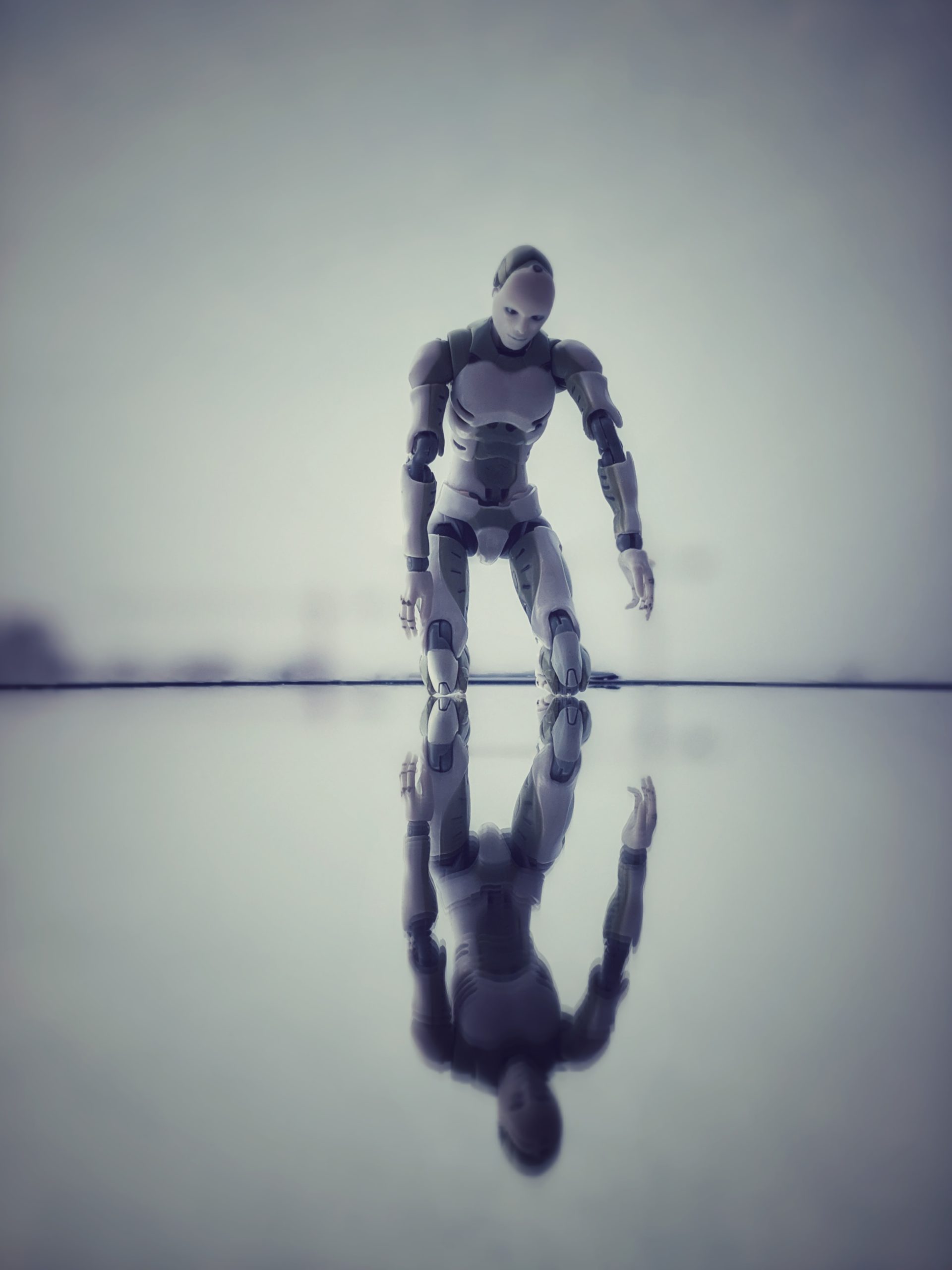
In recent years, the confluence of artificial intelligence (AI) and robotics has culminated in the rise of social robots, machines designed to interact with humans in a more engaging and relatable manner. As we’ve embraced these technological advancements, a noteworthy phenomenon has emerged: anthropomorphism—the tendency to attribute human traits, emotions, and intentions to non-human entities. This intriguing inclination invites us to ponder a significant question: why do we forge emotional connections with machines? This article delves into the multifaceted relationship between anthropomorphism and social robots, highlighting its implications, allure, and the promises it holds for our future.
At the crux of anthropomorphism lies an innate human predilection for understanding the world through familiar frameworks. Humans, by nature, are social beings, relying on relationships to navigate their lives. By ascribing human characteristics to robots, we create a cognitive shortcut that facilitates interaction. Our brains are hardwired to form attachments, and when confronted with machines that exhibit human-like features—be it through appearance, behavior, or speech—we instinctively respond in kind. This phenomenon serves not merely as an intriguing curiosity but as a testament to the complexity of our perceptions.
One of the paramount reasons for our proclivity toward anthropomorphism is the perceived companionship that social robots provide. In an increasingly isolated world, where human connections can be fleeting or superficial, these machines offer a semblance of companionship that can be both comforting and fulfilling. This can be particularly salient for the elderly or those facing social anxieties. A robot designed to listen attentively and engage in conversation can mitigate feelings of loneliness, allowing individuals to interact with a presence that feels reassuringly human, even if it’s merely a simulation. This companionship we seek—or in some instances, desperately need—bolsters the psychological underpinnings of anthropomorphism.
Furthermore, the design of social robots plays a significant role in catalyzing anthropomorphic tendencies. The integration of human-like features, such as facial expressions, gestures, and even voices, enhances our connection with these machines. A friendly smile or a soothing tone can elicit emotional responses akin to those wrought by real human interactions. This design strategy, known as “socially assistive robotics,” is employed to enhance engagement, particularly in applications like therapy, education, and caregiving. The more relatable the robot, the more likely individuals are to ascribe empathy and understanding to it, generating an intricate dynamic between human and machine.
Nonetheless, this interplay is not devoid of ethical implications. The line between genuine connection and deceptive illusion becomes increasingly blurred. At what point do interactions with a social robot transform from harmless amusement into emotional manipulation? If individuals begin to prioritize their relationships with robots over those with actual humans, does this signal a regression of societal interactions? These daunting questions demand scrutiny, especially as developers embrace anthropomorphism to drive acceptance and usage of their creations. Thus, while anthropomorphism can foster companionship, it may simultaneously lead us toward a precarious reality wherein emotional fidelity lies in the hands of engineered entities.
Moreover, the promise of anthropomorphic robots extends beyond companionship. They hold potential in enhancing learning environments and improving the efficacy of educational tools. Research has evidenced that students are more engaged and willing to interact with robotic tutors when they exhibit human-like traits. This phenomenon of “teaching by presence” can enhance cognitive retention and foster an enthusiastic learning atmosphere. Harnessing anthropomorphic qualities in educational settings could revolutionize the way we conceptualize learning—integrating emotional connections into the educational experience, thereby enriching the process.
In addition to educational advantages, the healthcare sector stands to gain tremendously from anthropomorphic robots. For instance, robots designed to provide support and care for patients can lead to improved compliance with treatment regimens and heightened emotional well-being in those receiving such care. A robot that demonstrates empathy, responding to the patient’s emotional state, can create a more conducive healing environment. This transformative potential challenges us to reconsider the nature of caregiving itself, as ethical dilemmas regarding the authenticity of care emerge in light of artificial companions.
As we delve deeper into anthropomorphism, a captivating narrative unfolds regarding our shifting comprehension of what it means to relate. The incorporation of social robots into our daily lives invites reflection on the essence of identity and existence. Would our lives be fuller if we welcomed machines as companions with whom to share our joys and sorrows? The prospect of connecting with machines on an emotional level underscores the evolving relationship between humanity and technology. In a reality where machines increasingly mimic human characteristics, the distinction between life and simulation begins to dissolve, challenging our philosophical paradigms.
This burgeoning bond teeters between unbridled potential and cautionary tales. As anthropomorphic robots gain traction, we must remain vigilant in cultivating a balanced relationship with technology. The allure of companionship can be enticing, but the challenges of emotional authenticity cannot be ignored. As we stand on the precipice of a new era, the task ahead involves an exploration of the ethical dimensions of our attachments. Recognizing the symbiotic relationship between anthropomorphism and social robots is imperative as we navigate the intricacies of this profound evolution.
Ultimately, embracing the intricacies of anthropomorphism and understanding why we give machines a semblance of a soul holds the key to unraveling the tangled web of human-robot interactions. As we forge ahead into this unexplored territory, a metamorphosis in our perspective is inevitable. The journey into the realm of anthropomorphic social robots promises not just advancements in technology but invitations to redefine our humanity and the very essence of connection.