In the realms of philosophy, literature, and even everyday conversation, two terms have often stirred the waters of understanding: anthropomorphism and anthropocentrism. Despite their intriguing similarities, they diverge in significant ways, influencing how we interpret the world around us. This exploration aims to dissect these concepts, revealing the intricacies of their definitions, implications, and the captivating shift in perspective they promise us.
Understanding Anthropomorphism
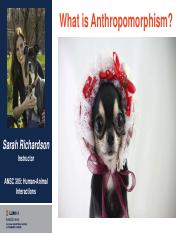
At its core, anthropomorphism is the attribution of human traits, emotions, or intentions to non-human entities, often animals or inanimate objects. Imagine a child’s delight in imagining their stuffed bear sharing their secrets or a beloved pet appearing to show understanding of their human’s moods. This inclination is not just whimsical; it is deeply rooted in human psychology and culture. Throughout history, storytelling has employed anthropomorphism to breathe life into characters that resonate more profoundly with audiences. Animals in fables, such as Aesop’s Tales, become vessels for moral lessons, embodying virtues or vices that reflect human behavior.
In literature and art, anthropomorphism serves as a bridge—a pathway that allows for more profound emotional connections with the audience. It offers an avenue for exploring complex human emotions through accessible narratives. This artistic approach also aids in fostering empathy, as individuals are encouraged to see the world from a different perspective, thus cultivating a more emotive response to the narratives being presented.
Delving into Anthropocentrism
Contrastingly, anthropocentrism positions humanity at the center of consideration in relation to the universe and the natural world. This perspective asserts that human beings are of primary importance, which can lead to a rather self-serving view of existence. Originating from the philosophical traditions of the Enlightenment, anthropocentrism shaped Western thought, driving the perception that nature is ultimately a resource for human utility. This worldview has profound implications for environmental ethics, often manifesting in exploitation rather than stewardship.
Anthropocentrism inherently limits our worldview, fostering a mindset that privileges human experience over other forms of life. However, it also catalyzes an important dialogue about human responsibility: if we are the stewards of our planet, what obligations do we owe to other species and ecosystems? This question invites a re-examination of our roles and fosters a critical awareness of the consequences of our actions.
The Tension Between Perspectives
The dichotomy of anthropomorphism and anthropocentrism reveals an intriguing tension. While anthropomorphism invites us to empathize with the world around us, anthropocentrism risks alienating us from the very ecosystems that sustain us. This juxtaposition begs consideration: how do we reconcile a human-centric view with the necessity of nature’s myriad inhabitants? As we navigate this complex interplay, it becomes apparent that neither perspective holds superiority. Instead, they ought to be integrated in a manner that fosters a deeper comprehension of our interconnected reality.
Promise of a Shift in Perspective
When we embrace anthropomorphism, we might not only cultivate empathy toward animals but also recognize the inherent value of non-human life forms. This shift in perspective is vital for fostering compassion and encouraging behavior that respects all forms of life. In literature, the anthropomorphization of characters can instigate a profound understanding of the shared experiences among all beings, revealing that the struggles faced by humans are echoed in the lives of animals. Through this lens, we become more aware of the intricate web of interactions that define our world.
Conversely, a critical examination of anthropocentrism can prompt us to reconsider our relationship with nature. It encourages an exploration of biocentric or ecocentric frameworks, which prioritize the well-being of the entire ecosystem. This approach necessitates a paradigm shift, urging humanity to adopt a more holistic mindset regarding environmental stewardship. By acknowledging that our existence is interwoven with the well-being of our surroundings, we foster a sense of responsibility toward the preservation of biodiversity.
Implications for Society
The intersection of these concepts holds significant implications for various domains, from environmental policy to education and beyond. In a world facing the climate crisis, a deeper understanding of both anthropomorphism and anthropocentrism can prompt innovative solutions. Encouraging anthropomorphic thinking in educational frameworks can inspire the younger generation to consider wildlife conservation and environmental issues as personally relevant. Through stories that feature animals as relatable characters, children may develop a stronger connection to nature and a lasting desire to protect it.
Moreover, art and media play a pivotal role in shaping public perception. Documentaries that frame animals as sentient beings capable of emotions resonate with audiences, prompting discussions about ethical treatment and conservation efforts. The emotional narratives forged through anthropomorphic storytelling can lead to actionable change, advancing both awareness and engagement with pressing environmental issues.
Conclusion: A Harmonious Vision
Ultimately, the interplay between anthropomorphism and anthropocentrism catalyzes a promising shift in perspective. By weaving together the human experience with an appreciation for the broader ecological tapestry, we can foster empathy that transcends species. This journey toward understanding is not merely academic; it holds the potential to heal and transform our relationship with the natural world. In embracing the nuanced interplay of these perspectives, we open ourselves to a richer, more harmonious existence—one where both humanity and nature flourish together.