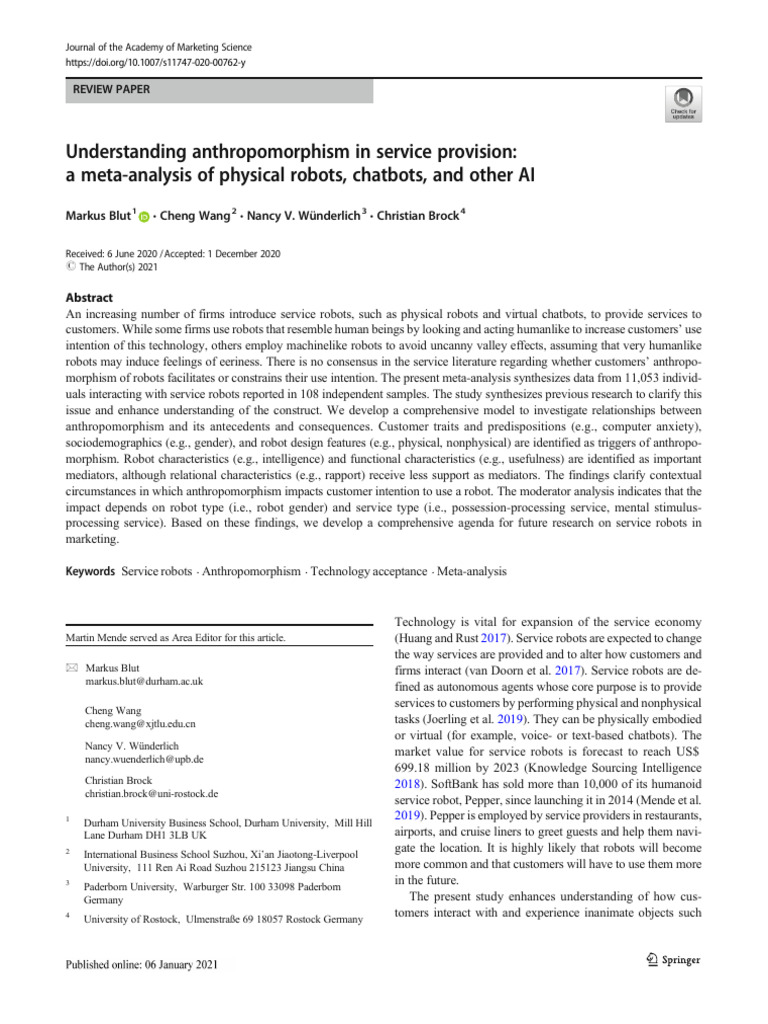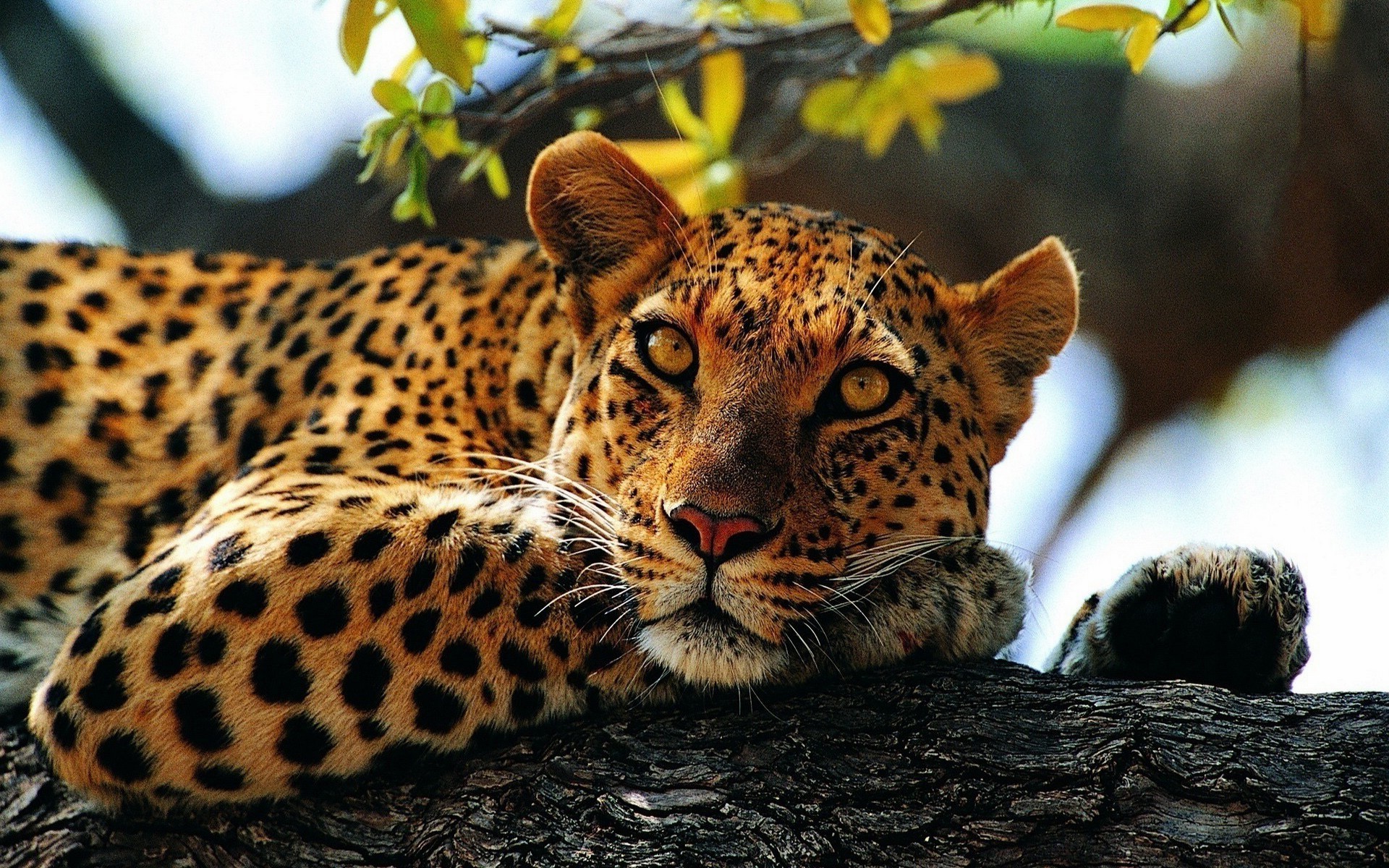
In the kaleidoscopic tapestry of the natural world, the interactions of its denizens are shrouded in mysteries that often defy human understanding. Animal behavior has been a subject of intrigue and inquiry, yet a persistent taboo looms large: the anthropomorphism of non-human creatures. This multifaceted notion, traditionally viewed with skepticism, is undergoing a profound reassessment, as more scientists and ethologists begin to explore the murky waters of assigning human-like emotions and intentions to animals.
The evolution of research in animal behavior has been akin to peeling an onion, where each layer reveals deeper insights but often brings tears of uncertainty. For decades, attributing emotions, motives, or capacities reminiscent of human experience—be they loyalty, empathy, or joy—has been met with derision from the scientific community, which staunchly adhered to the notion of objectivity and rigorous empirical evidence. Yet, as scientific paradigms shift, a softer approach toward understanding animal emotions is emerging, one that invites the reexamination of these long-held beliefs.
At the heart of this discourse lies the concept of anthropomorphism, an evocative term that dances around the idea of attributing human traits to non-human entities. It’s a tantalizing proposition and often a whimsical one; after all, who hasn’t found themselves ascribing thoughts to their pet dog or feeling a pang of empathy for a solitary whale in the vast ocean? In literature and art, anthropomorphism breathes life into characters, forming poignant connections that resonate with readers and viewers alike. Similarly, science, with its pendulous scales of skepticism, finds itself at a crossroads, one that beckons for a paradigm shift in which the lines between the emotional landscapes of humans and animals blur.
Recent studies illuminate the complex emotional lives of animals; discoveries resonate like echoes reverberating in a cavern. For example, elephants exhibit profound grief and mourning rituals, demonstrating social bonds that rival the deepest of human connections. Their behavior can be poetic, as they form matriarchal societies where wisdom and nurturing flow through generations, much like a river winding through a verdant landscape. This compelling evidence beckons us to reconsider the rigidity of anthropomorphism, not as an intellectual folly, but rather as a lens through which to view empathy and connection in a broader context.
Empirical research exploring animal emotions suggests that the emotional spectrum is more expansive than previously conceived. In a world often saturated with mechanistic views of existence, witnessing a dog wagging its tail or a cat curling up in a sunbeam invokes a preverbal understanding of joy, comfort, and companionship. These behaviors resonate on a frequency that invites introspection about our relationships with the animal kingdom. The burgeoning field of animal cognition has begun to illustrate that non-human creatures possess an intelligence that, while different from ours, is equally rich and deserving of consideration.
As anthropomorphism softens its rigid edges, we are drawn into the quagmire of ethical considerations. The moral implications of recognizing sentiments in animals spur debates that ripple through scientific and philosophical circles alike. If we assign emotional depth to non-human beings, what responsibilities do we bear towards them? The anthropocentric paradigms that have historically governed our views of animal welfare necessitate reevaluation, as compassionate understandings challenge the status quo of exploitation and dominance. The moral compass aligns itself more closely with the recognition of emotional experiences, thereby fostering deeper respect for animal rights.
This emerging perspective encourages us to adopt a more nuanced understanding of our coexistence with other species. The walls erected by skepticism are slowly crumbling, making way for inclusive dialogue that embraces both science and sentiment. Language, too, becomes a powerful conduit in this endeavor. Descriptive terms that honor the complexities of animal lives foster admiration for their attributes and capabilities. Witnessing a dolphin’s playful leap or a wolf’s fluid grace evokes an appreciation that transcends mere observation and invites us to partake in a shared existence.
Anthropomorphism in its newer guise acts as a bridge, connecting human experiences to the wider world of animals through empathy and understanding. This bridge fosters a protective instinct, igniting movements for conservation and preservation that are critical in an era where humans have a disproportionate impact on nature. As the veil of skepticism lifts, people are more inclined to regard animals as sentient beings rather than mere subjects for study or entertainment. This perspective can catalyze action, propelling individuals to raise their voices in defense of creatures whose cries are often stifled.
As we traverse this intricate landscape of understanding, it’s essential to acknowledge that our perceptions, however softening, must still be grounded in evidence and respect for scientific rigor. Balancing the emotional and empirical realms is akin to navigating a fine line, where sentimentality could lead to misinterpretations, while cold objectivity risks alienation from the rich experiences that animals offer. Thus, an interdisciplinary approach that marries ethology, psychology, and ethics emerges as a necessity, fostering a more holistic view of what it means to coexist with and understand animal behavior deeply.
In conclusion, the once-taboo notion of anthropomorphism is softening its rigidity, enabling a broader discourse on the complexities of animal behavior. As science uncovers the emotional lives of animals, we find ourselves on the cusp of a new understanding—one that encourages empathy, drives ethical discussions, and promotes a living tapestry woven from the threads of shared existence. To embrace this shift is to embark on a journey toward a relationship with the natural world that is both profound and transformative, redefining our place within the intricate web of life.