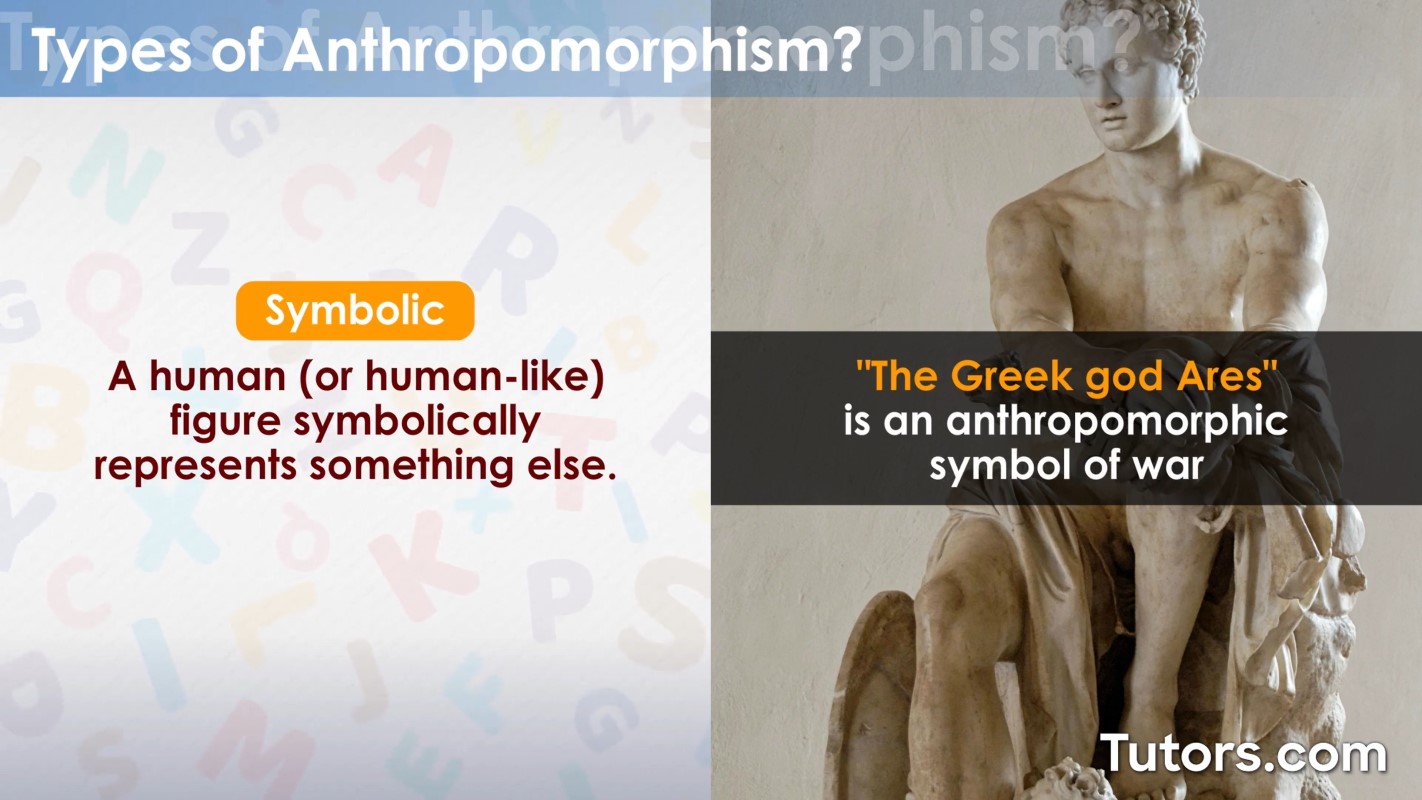
In the vast tapestry of storytelling, anthropomorphism stands as a luminous thread, weaving together the realms of imagination and reality. This rich literary device, where human traits, emotions, and intentions are ascribed to animals, inanimate objects, or abstract concepts, infuses narratives with depth and intrigue. In modern storytelling and character design, anthropomorphism has emerged as a transformative vehicle, allowing creators to traverse the depths of the human experience through the lens of the non-human.
At its core, anthropomorphism transcends mere characterization; it serves as a powerful metaphor for our aspirations, fears, and morality. By cloaking animals in human-like personas, creators establish not only a relatable framework for audiences but also provoke profound reflections on societal values. Consider the timeless fable of Aesop, where the cunning fox outsmarts the naive crow, teaching lessons of wisdom and folly. Such narratives resonate on multiple levels, inviting contemplation about cunning and gullibility, virtues often embodied by humans. Through this lens, anthropomorphism becomes an allegorical mirror, reflecting our characteristics and societal norms.
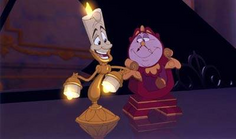
In contemporary media, the allure of anthropomorphic characters has seen a renaissance, particularly with the rise of animated films and graphic novels. Titles like “Zootopia” and “Inside Out” harness the charm of anthropomorphism, allowing complex themes to unfold in a palatable and often humorous manner. The characters’ struggles echo real-life dilemmas—identity, belonging, and the intricacies of emotional intelligence—yet are delivered through delightful animal personas that captivate audiences of all ages. The witty portrayal of anthropomorphized animals and objects acts as both a bridge and a shield, narrowing the chasm between heavy topics and audience accessibility.
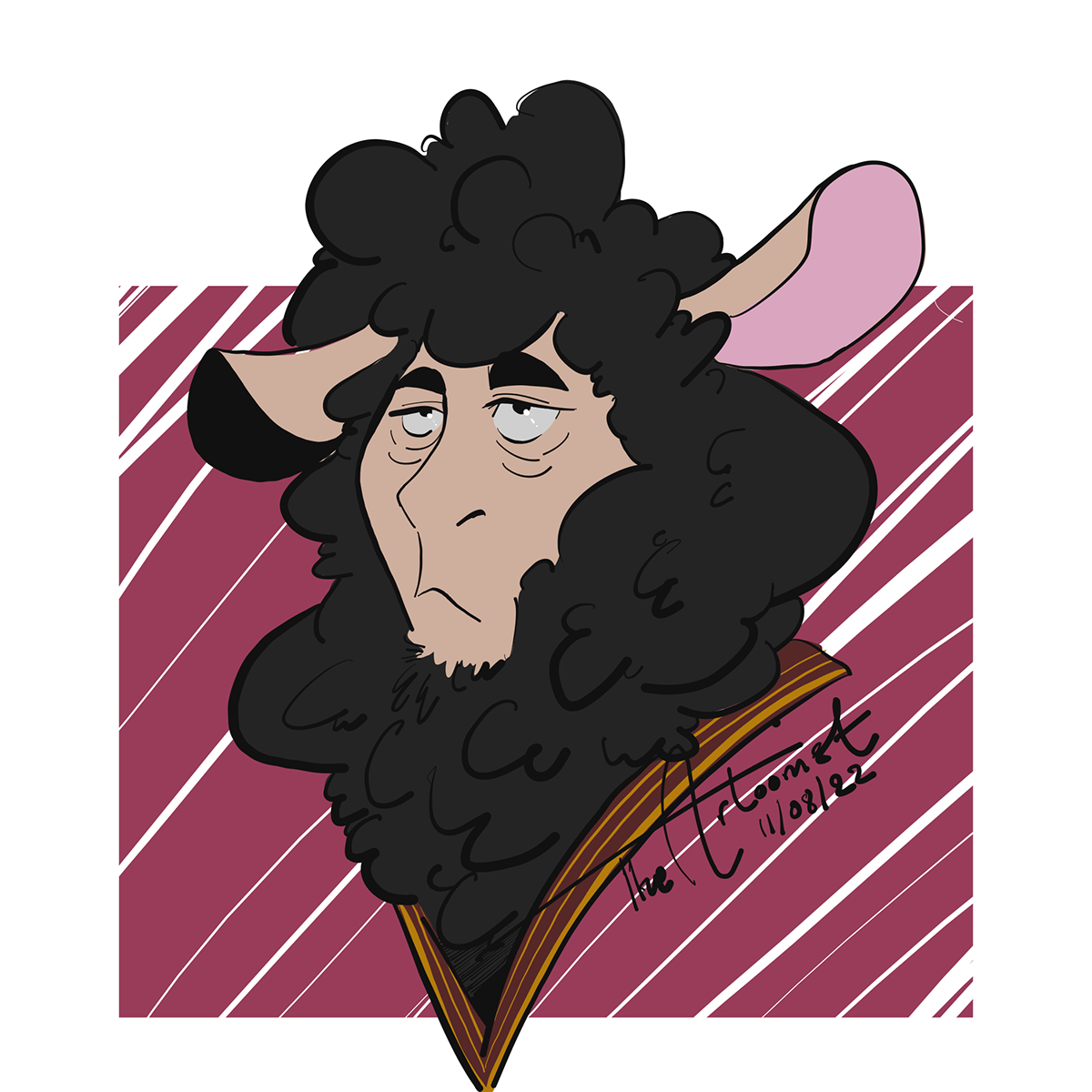
The visual impact of character design is equally consequential in this context. In animating anthropomorphic characters, artists imbue them with exaggerated features and expressive gestures, amplifying their emotional range and relatability. A rabbit with oversized ears and expressive eyes may evoke empathy or curiosity, instantly drawing viewers into their plight. Such designs compel us to engage with characters on an emotional level, facilitating connections that transcend cultural or linguistic barriers. The undeniable charisma of these characters often encourages investment in their journeys, as viewers cheer for their triumphs and lament their struggles, thereby enhancing the storytelling experience.
Furthermore, anthropomorphism allows for the exploration of moral quandaries in a manner that feels palatable yet poignant. By casting animals as protagonists, creators can delve into themes of competition, empathy, and societal structures while simultaneously evoking humor and charm. Take for instance the delightful yet thought-provoking cartoon “Animal Farm,” a narrative steeped in political satire. The anthropomorphized farm animals symbolize various facets of human society, drawing parallels to power dynamics, revolution, and the complexities of governance. Here, anthropomorphism is deployed as a vessel for critique, prompting viewers to engage with deep philosophical questions about human nature and societal constructs.
This technique finds resonance beyond mere entertainment; it stirs dialogue about identity and existence. As society grapples with issues of diversity and representation, anthropomorphism can serve as a tool for empathy. When viewers encounter diverse characters, such as an ambitious female fox or a contemplative male bear, the narratives expand to encompass a plethora of experiences and perspectives. This inclusivity not only enriches storytelling but also fosters understanding, enabling audiences to confront their biases through a digestible lens.
The exploration of anthropomorphism in digital art and design also introduces an innovative dynamic. In virtual worlds where the boundaries of reality blur, character creators leverage anthropomorphic traits to evoke specific feelings and responses. By integrating stylized animal characters that resonate with users’ emotions, developers can craft immersive experiences that compel deeper engagement. In gaming, for example, players often find themselves forging alliances with anthropomorphized allies, forging bonds that enhance their investment in gameplay. This interaction exemplifies not just character design but the nuanced architecture of emotional connection that modern storytelling endeavors to achieve.
The unique appeal of anthropomorphism lies in its ability to distill complex human experiences into relatable narratives. The charm of seeing the world through the eyes of a spirited raccoon or a wise turtle captivates our imagination while subtly inviting reflection on our humanity. Such narratives have the capacity to advocate for change, encourage empathy, or simply entertain, showcasing the versatility inherent in this literary device.
As we navigate the modern landscape of storytelling, the themes that anthropomorphism encapsulates continue to resonate, engaging audiences with depth and nuance. The allure of anthropomorphized characters—embodying the spectrum of human emotion while simultaneously engaging in a delightful façade—holds a unique place in contemporary discourse. By merging character design with rich storytelling, creators ingeniously mirror the complexities of existence, allowing us to explore the human condition from fresh and exhilarating perspectives.
Ultimately, anthropomorphism serves as an enduring lens through which we can examine ourselves, our societies, and our interconnectedness. As we immerse ourselves in tales of talking animals and sentient objects, we uncover reflections of our own challenges and aspirations, all while being entertained. In this profound dance of creativity, anthropomorphism remains an immeasurable asset to the art of storytelling, ensuring its relevance for generations to come.