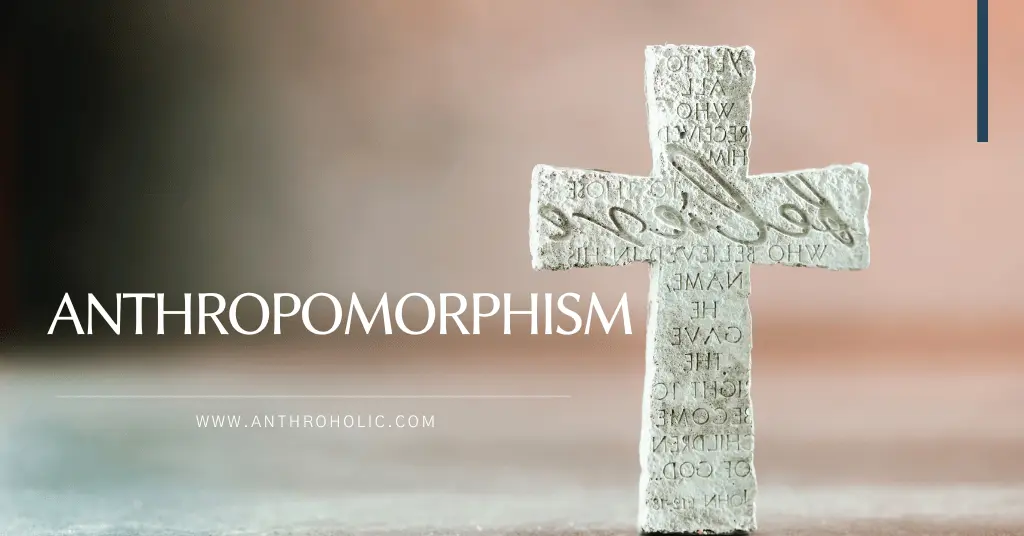
In the realm of philosophical discourse, few topics elicit as much fervent debate as the anthropomorphization of God—a concept that marries the human tendency to attribute human characteristics, emotions, and intentions to non-human entities. This discussion is not merely an abstract intellectual exercise; it taps into deep-rooted psychological and spiritual yearnings. Why do we find ourselves anthropomorphizing the divine? What are the implications of such a practice on our understanding of God and our relationship with the cosmos? This exploration delves into these questions and unfolds the complexities surrounding the anthropomorphic depiction of the divine.
To understand the allure of anthropomorphizing God, we must first consider the inherent human predisposition to seek familiarity in the unknown. The vastness of the universe and the enigma of existence at large can be overwhelming. By ascribing human attributes to God, we render the mysterious more approachable. When God is conceived as a being who possesses emotions—such as love, compassion, and even anger—we not only create a relatable deity but also forge a personal connection that can seem like a lifeline in a chaotic world. This evokes the lingering question: does the anthropomorphization of God enhance or dilute the divine experience?
Throughout history, the phenomenon of anthropomorphism has permeated various cultures and religions, shaping both their doctrines and practices. For instance, in many Judeo-Christian traditions, God is characterized as a father figure, instilling notions of paternal love and authority, which resonate with followers’ experiences of familial bonds. This anthropomorphic portrayal provides a framework through which believers can understand their relationship with the divine. Yet, as anthropologists and theologians alike have pointed out, this representation often limits our conception of God, confining the divine essence to human-like traits and behaviors.
Moreover, examining ancient texts reveals a rich tapestry of anthropomorphic motifs, each serving to illuminate distinct aspects of God’s nature. The portrayal of God walking in the Garden of Eden or engaging in dialogue with prophets invites readers to envision a deity who is personally invested in human affairs. Such imagery fosters a sentiment of intimacy and nurturing, yet it also raises an essential philosophical query: can an all-powerful, transcendent being truly embody human limitations and emotions without compromising its omniscience and omnipotence?
This leads us to a significant point of contention: the dilemma of divine qualities versus human attributes. If God is inherently beyond human comprehension—transcendent and ineffable—then does personifying the divine act as a detriment to understanding the true nature of God? Would viewing God through strictly anthropocentric lenses shackle the divine essence to our finite interpretations? Furthermore, this inquiry branches into the realm of ethics and morality. The anthropomorphization of God can lead to a skewed understanding of justice and righteousness, based on subjective human experiences rather than objective truths.
Throughout differing philosophical traditions, both theists and atheists grapple with the implications of attributing human traits to God. From the theistic standpoint, attributing emotions to the divine may serve to reinforce the moral framework by which believers orient their lives. Conversely, skeptics posit that such attributes risk painting a flawed image of God, one based on human imperfections rather than divine ideals. The implications of this debate are profound, as they can shape a believer’s perception of morality, ethics, and even the consequences of their actions.
Additionally, one must contemplate the psychological ramifications of anthropomorphizing God. The act of personifying the divine can provide comfort in times of distress, as it creates a semblance of companionship amidst life’s tribulations. This is particularly salient in modern settings, where the absence of tangible support systems can leave individuals feeling isolated. As such, envisioning God as a benevolent, caring entity can foster resilience and hope; yet, the ethical implications of dependence on a personified deity raise questions about the implications for autonomous moral reasoning.
Nevertheless, there exists a robust counter-narrative advocating for a more abstract, non-anthropomorphic conception of the divine. Philosophers like Baruch Spinoza posited that God is synonymous with Nature—an impersonal force rather than a personal being. This portrayal encourages individuals to identifiably recognize the divine in the natural world, thereby prompting a more profound appreciation for creation as an expression of divinity. Such an abstraction requires the individual to cultivate a sense of reverence that transcends human-centric notions, ultimately nurturing a holistic engagement with the universe.
In contemporary discussions, this philosophical dichotomy has intensified with the rise of secular humanism and the questioning of traditional religious frameworks. The resurgence of non-theistic beliefs challenges the very foundations of anthropomorphizing the divine. It invites individuals to find meaning and purpose within themselves and the community rather than relying on external divine figures. This philosophical shift may signify a transformative evolution in how humanity perceives spirituality, morality, and the essence of existence itself.
Ultimately, as we reflect on whether or not we should anthropomorphize God, we find ourselves at the crux of a profound philosophical inquiry that defies easy answers. The interplay between the human experience and the divine invites contemplation of what it means to seek connection, understanding, and meaning. In a world rife with complexity, the anthropomorphization of God offers a familiar refuge, yet it also challenges us to explore the vast possibilities of the divine essence beyond human constructs. As seekers of truth and meaning, we are left to ponder: in our pursuit of the divine, will we choose to envision God through the lens of humanity, or will we dare to embrace the ineffable mystery that transcends our comprehension?