In the ongoing discourse surrounding theology, one of the more provocative topics is the concept of an anthropomorphic deity, particularly in relation to Allah. The proposition that Allah may possess anthropomorphic traits has sparked fervent debate among theologians, philosophers, and laypersons alike. This article aims to delve into various dimensions of this discussion, unpacking the implications of characterizing Allah as anthropomorphic, and providing a thorough examination of the evidence supporting such a claim.
Understanding Anthropomorphism in Deity
Anthropomorphism refers to the attribution of human characteristics to non-human entities, including deities. In religious contexts, this concept often manifests itself in the portrayal of gods with physical forms, emotions, and human-like experiences. Throughout history, many cultures have envisioned their deities in human likeness as a means of bridging the ethereal and the tangible. This urges an examination of Allah’s descriptions in Islamic texts and theology, setting the stage for a broader exploration into whether these portrayals are indeed anthropomorphic.
The Significance of Language in Religious Texts
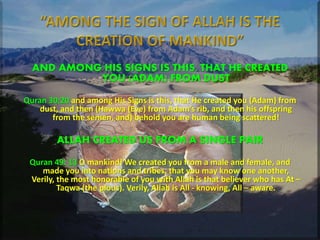
The Qur’an, as the principal text in Islam, employs a rich tapestry of language and metaphor that can lend itself to anthropomorphic interpretations. Phrases that describe Allah’s “hands,” or the notion that He “guides” individuals, may lead some to infer a human-like nature. Diligent scholars argue, however, that such language should be understood metaphorically rather than literally. This distinction is crucial because it delineates between anthropomorphic views and the strict monotheistic principle prevalent within Islamic theology, which posits Allah as wholly transcendent and unlike any creation.
Islamic Theological Perspectives
Within Islamic theology, a crucial concept is known as “Tawhid,” or the oneness of God. This principle vehemently opposes any characterization of Allah that might compromise His singular essence. The anthropomorphic interpretations of Allah are generally met with skepticism or outright rejection by mainstream Islamic scholars who argue that any attempt to humanize Allah diminishes His greatness and dignity. Hence, an analysis of how different theological schools address anthropomorphic attributes reveals insights into deeper Islamic beliefs about divinity.
Historical Context and Evolution of Thought
Examining historical texts reveals a landscape of evolving thought concerning Allah’s nature across different Islamic eras. Early interpretations might have occasionally embraced anthropomorphic language, particularly in more mystical or esoteric circles. However, as the tradition solidified, the reduction of Allah’s characteristics to a human framework became less acceptable among scholars. This historical trajectory showcases an intricate ballet between emerging perspectives and the tenets of Islamic orthodoxy.
The Role of Cultural Interpretations
Cultural background undeniably influences theological interpretations. Regions imbued with rich folk traditions may adopt more personable deities, and this could extend to their proclivity for anthropomorphism. In contrast, communities steeped in rigorous scholastic traditions might resist any depiction of Allah that veers towards anthropomorphism. Understanding these cultural lenses allows for a nuanced approach when critiquing claims about Allah’s nature as an anthropomorphic entity.
Contrasting with Judeo-Christian Perspectives
When exploring the potential anthropomorphism of Allah, a comparison with Judeo-Christian concepts of God becomes indispensable. Many Judeo-Christian traditions have historically depicted God with human-like attributes, particularly in the Old Testament. This not only elucidates the diversity in approaching the divine but also highlights the stark contrasts in Islamic beliefs, particularly regarding the absolute uniqueness of Allah without potential anthropomorphic attributes.
Philosophical Arguments and Counterarguments
The philosophical discourse surrounding anthropomorphism is vast and replete with arguments both for and against such characterizations. Proponents may argue that acknowledging certain anthropomorphic traits in Allah facilitates a deeper emotional connection between individuals and the divine. In contrast, detractors maintain that doing so inherently compromises the essence of divine transcendence and integrity. This ongoing philosophical dialectic prompts critical reflection on the interplay between human experience and divine nature.
Implications for Interfaith Dialogue
The implications of anthropomorphism in discussions about Allah extend well beyond theology, entering the realm of interfaith dialogue. Misunderstandings can arise when adherents of different religions interpret divine characteristics through their unique lenses. For example, a Christian may see parallels in the anthropomorphic depiction of Jesus, unintentionally imposing those attributes onto Allah. Therefore, fostering respectful and informed dialogue is paramount in navigating these intricate discussions.
Conclusion: Navigating the Nuances of Divine Characteristics
Engaging with the assertion of Allah as an anthropomorphic deity invites a multifaceted exploration of language, theology, history, culture, philosophy, and interfaith relations. As this dialogue continues to unfold, it becomes essential for adherents and scholars alike to approach the topic with an open mind and a keenness to respect the complexity of religious belief and understanding. Rather than arriving at simplistic conclusions, one should embrace the rich tapestry of ideas that this discussion offers, fostering a deeper comprehension of the enigmatic nature of the divine.