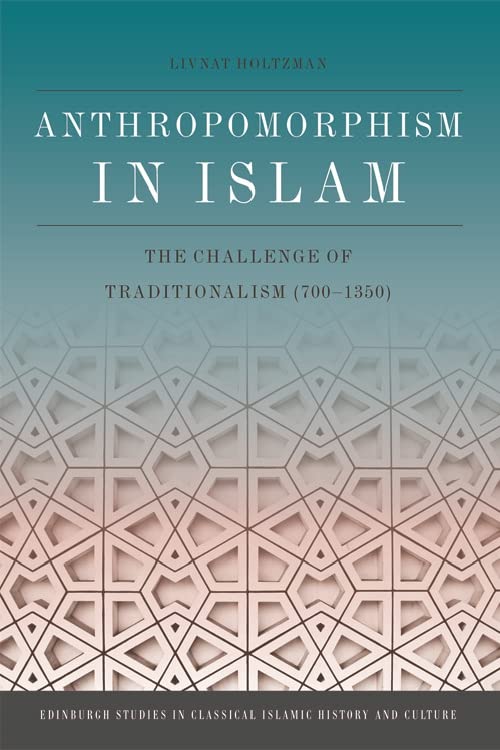
In the vast tapestry of Islamic theology, the intricate threads of anthropomorphism and corporealism intertwine to create a complex and nuanced narrative. These concepts, woven into the doctrine and philosophy of Islam, pose intriguing questions about the nature of the divine and the corporeal world. At their core, anthropomorphism and corporealism challenge the traditionalist views of God’s attributes, blending the ethereal with the tangible in profound ways.
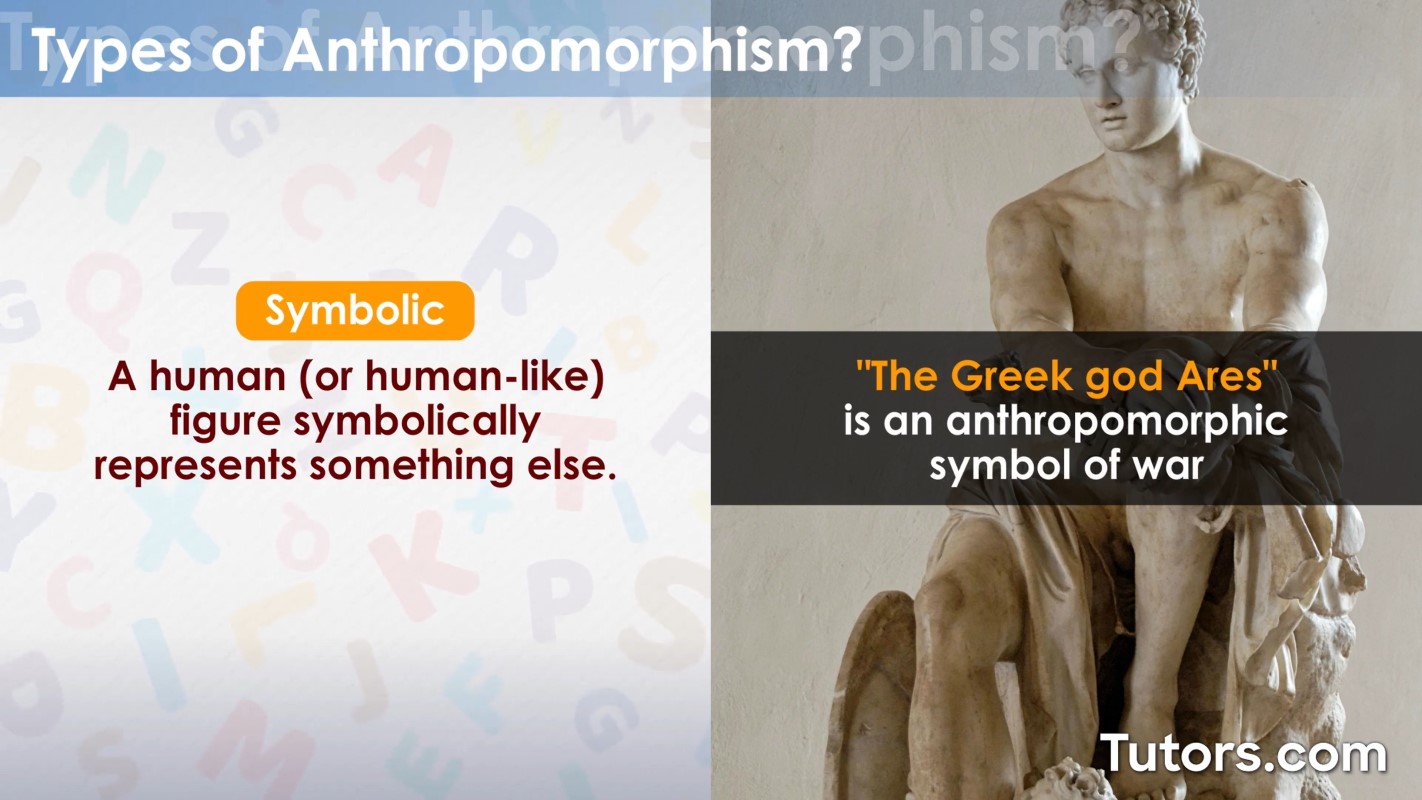
Anthropomorphism, derived from the Greek words “anthropos” (human) and “morphe” (form), refers to the attribution of human characteristics or behaviors to deities and non-human entities. In Islam, this can manifest in various interpretations, particularly through the examination of God’s attributes as mentioned in the Quran. The concept raises critical theological inquiries: How do we conceptualize the divine when traditional Islamic tenets assert that God is beyond human comprehension?
Corporealism, on the other hand, pertains to the embodiment or physical manifestation of the divine. Thus, the critical intersection of these two doctrines presents a fertile ground for theological exploration. To understand how these ideas function within the Islamic paradigm, it is invaluable to delve into their historical evolution within Islamic thought.
Historically, anthropomorphism in Islam has been scrutinized. Early scholars were highly cautious of attributing any form or likeness to God. This stemmed from a fundamental belief in God’s absolute transcendence—His being entirely separate from His creation. The Quran itself highlights this separation in verses emphasizing God’s unique nature, stating unequivocally that there is nothing like Him (Quran 42:11). Yet, paradoxically, certain hadiths, or sayings of the Prophet Muhammad, depict God using anthropomorphic language. For instance, descriptions of God’s ‘hand’ or ‘face’ challenge the normative understanding of His essence and provoke discussions over their metaphorical versus literal interpretations.
The medieval Islamic theologian Al-Ghazali played a pivotal role in this discourse. He articulated a philosophical framework that approached the divine attributes with an emphasis on both reason and mysticism. Al-Ghazali contended that while God’s attributes may appear similar to human characteristics, they should not be interpreted in a literal sense. Instead, they serve a purpose in helping believers relate to the divine. This highlights a key feature of anthropomorphism in Islam: it acts as a bridge for humans to apprehend the incomprehensible through relatable terms.
However, the challenge of traditionalism arises when these anthropomorphic descriptions clash with the theological insistence on God’s transcendence. This tension establishes a rich ground for debate among scholars. The Asharite school, to which Al-Ghazali belonged, developed a sophisticated lens through which to interpret these attributes, promoting a middle path that allowed for some degree of humanlike qualities while vigorously maintaining the divine’s uniqueness and transcendence.
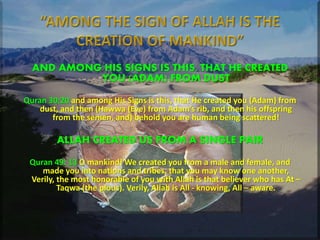
From a corporeal perspective, Islamic thought presents another layer of complexity. The corporeal human experience often stands in stark contrast to the divine’s immaterial nature. Yet, we find within certain Islamic narratives the notion that human existence itself can embody divinity. This manifests most poignantly through the concept of the human soul (nafs), which is viewed as a direct breath from God (Quran 32:9). In this sense, corporealism in Islam suggests a mystical connection between the creator and the creation, wherein the divine spirit invigorates matter, insinuating an inherent sanctity within the human form.
The Sufi tradition further amplifies this discourse, offering an exquisite canvas painted with the brushstrokes of divine love and corporeal manifestation. Sufism, with its emphasis on the internal experience of divinity, often expresses anthropomorphic language to convey profound truths. The “beloved” in Sufi poetry becomes a metaphor for God, exhibiting traits of sensuality and emotional depth. Here, the corporeal is not merely an external shell but a vessel through which divine love flows and reveals itself.
The tension between anthropomorphism and corporealism can also be viewed through the lens of Islamic eschatology. The concept of resurrection and physicality at the Day of Judgment invokes corporealism, where humans are held accountable in a bodily form. This notion echoes a belief in the sanctified existence of the body, suggesting that the corporeal realm possesses a level of divine significance. The ultimate convergence occurs when believers are depicted as standing before their Creator in an unveiled, embodied state, illuminating the symbiotic relationship between the human condition and the divine essence.
Yet, this complex interplay invites questions about the implications of anthropomorphic language within Islamic worship. When invoking God’s attributes encompassing human qualities, do we risk reducing the divine majesty or promoting an inaccurate conception of God? Scholars have debated whether such language serves to humanize the divine in ways that might be deemed irreverent or, conversely, if it facilitates a more intimate relationship between the worshipper and their Creator.
Moreover, in contemporary contexts, the resurgence of traditionalist thought has reignited discussions surrounding these themes. With neoteric interpretations and diverse understandings of God’s nature, modern Islamic scholarship increasingly grapples with reconciling historical interpretations with contemporary sensibilities. As believers navigate the complexities of faith, the duality of anthropomorphism and corporealism persists as a profound theological inquiry, beckoning an exploration of what it means to engage with the divine in a world that often emphasizes the material over the spiritual.
In conclusion, the examination of anthropomorphism and corporealism in Islam reveals a rich and nuanced landscape of theological thought. This intricate interplay elucidates broader questions about the nature of divinity, urging believers to ponder the mysteries of God while engaging deeply with their faith, rooted in a tradition that embraces both the corporeal and the transcendent. Within this dialectic lies an enduring promise—the possibility of a more profound understanding of the divine that transcends the limitations of human language and perception, inviting all to engage in a journey toward the ineffable essence of the Creator.