When exploring the depths of linguistics, one encounters a multitude of captivating concepts and terms. One such term that beckons inquiry is “anthropomorphism.” This fascinating linguistic phenomenon, while rooted in English, finds its counterpart in many languages, including Arabic. But what is the Arabic translation of “anthropomorphism”? And how does this term intertwine with cultural narratives? In this exploration, we delve into the layers of meaning behind anthropomorphism, its translation, and its manifestations across different cultures and literary forms.
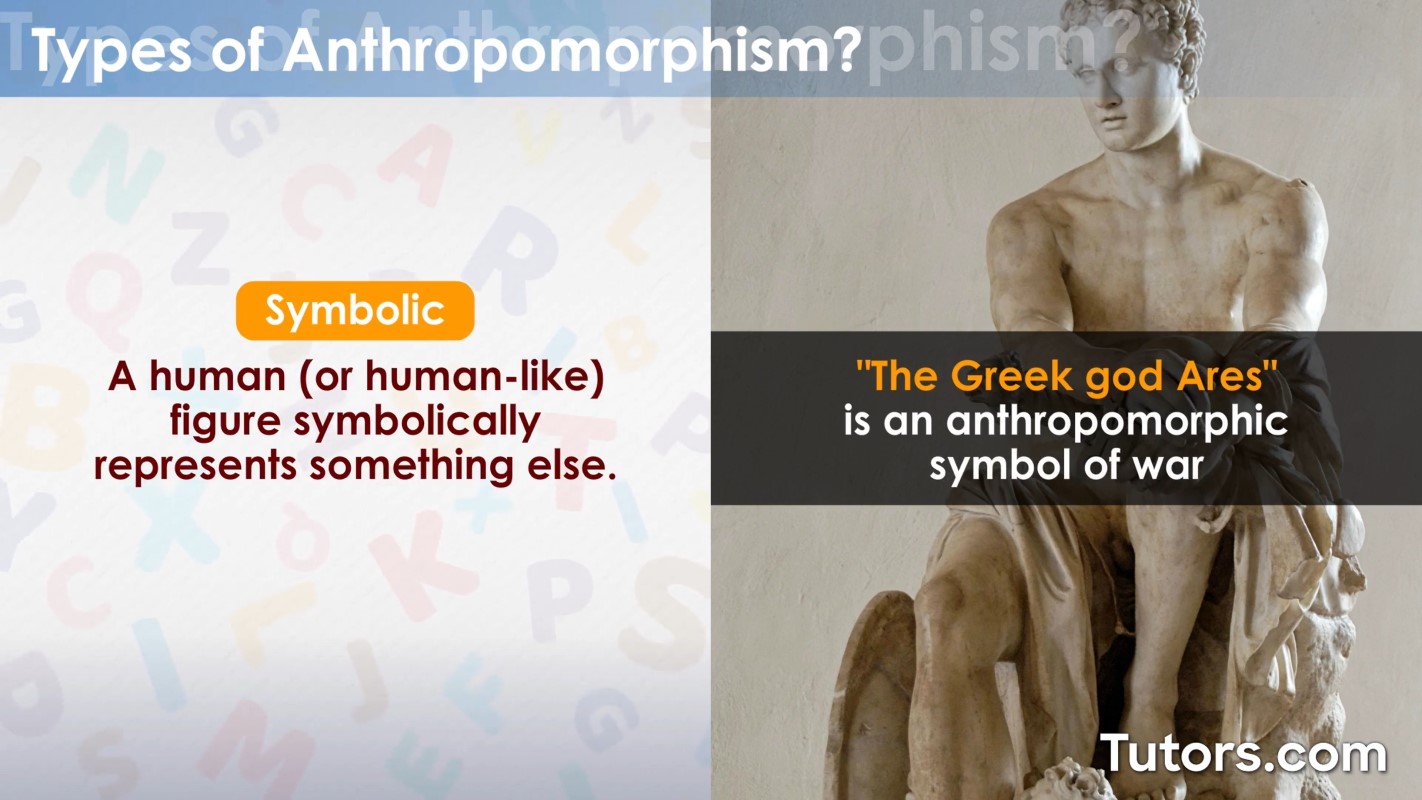
To start, let’s dissect the word “anthropomorphism.” Deriving from the Greek words anthropos (human) and morphe (form), anthropomorphism refers to the attribution of human characteristics, emotions, and behaviors to non-human entities—be it animals, deities, or inanimate objects. The concept often serves various purposes in literature, art, and religious contexts, allowing creators to bridge the gap between the abstract and the familiar.
In Arabic, the term “anthropomorphism” can be translated as تشخيص (tashkhees). This term, originating from the root شخص (shakhas) meaning “person,” conveys the essence of transforming non-human entities into relatable beings. The linguistic journey from English to Arabic showcases the nuances embedded in both cultures. While the English term evokes a scholarly nuance, the Arabic counterpart possesses a vividness that is steeped in the rich tradition of storytelling within Arab literature.
Understanding anthropomorphism transcends mere translation; it invites a broader contemplation of how societies conceptualize the human experience. For instance, in the realm of literature, anthropomorphism is often employed to narrate the experiences of animals in a manner that reflects human concerns, emotions, and moral dilemmas. Classic works such as Aesop’s Fables are prime examples of this, where animals speak and act like humans to convey ethical lessons. In Arabic literature, fables and allegories frequently utilize anthropomorphism, reflecting cultural values and societal norms through the lenses of animals, which serve as proxies for human behavior.
Furthermore, anthropomorphism plays a significant role in religion, particularly in the depiction of deities and divine beings. In Islamic theology, for example, the concept of tawhid emphasizes the oneness and transcendence of God, distancing Him from human traits. However, literary interpretations may creatively use anthropomorphic imagery to evoke empathy and connection among followers. The deliberate shaping of divine characters into relatable figures can enhance the narrative’s emotional appeal, facilitating spiritual resonance among the audience.
Additionally, anthropomorphism is prevalent in the visual arts. From ancient Egyptian sculptures of animals revered as gods to modern animated films like “Zootopia,” the portrayal of non-human characters with human traits captivates audiences. In the Arabic art and animation realm, creators have similarly embraced anthropomorphism, effectively bridging cultural gaps and addressing social issues through symbolic characters. This pervasive strategy transcends mere visual appeal as it prompts viewers to reflect on deeper societal constructs, thus initiating a dialogue between the artwork and its observers.
Moreover, the implications of anthropomorphism extend into the realm of psychology. The tendency of humans to assign human-like qualities to non-human entities can be traced back to our innate desire for connection. This phenomenon can influence our relationships with animals and technology. For instance, pet owners often attribute human emotions to their pets, treating them as companions with feelings and personalities. In the context of artificial intelligence, anthropomorphism can lead users to ascribe sentience or consciousness to machines, raising ethical questions about our interactions with technology.
As we delve deeper, it becomes evident that the translation of anthropomorphism into Arabic is not merely a conversion of words but rather a reflection of cultural interpretations and values. The Arabic تشخيص encapsulates a rich tapestry of meanings informed by centuries of storytelling, ethical teachings, and the exploration of the human condition. While this term conveys the crux of assigning human traits to the non-human, its usage in Arabic literature often evokes a landscape populated by vibrant characters, moral lessons, and social critiques.
In summary, the exploration of the Arabic translation of “anthropomorphism” as تشخيص invites us to reflect on the interplay between language and culture. This linguistic journey highlights the nuances of how societies engage with the concept of human-like attributes in the non-human realm. Whether in literature, art, or psychological contexts, anthropomorphism serves as a powerful tool for conveying complex ideas, emotions, and ethical dilemmas. It unearths a fundamental aspect of human nature—the urge to connect, empathize, and understand our world through the lens of our own experiences—reminding us that whether in Arabic or English, our narratives are ultimately woven from the same human threads.