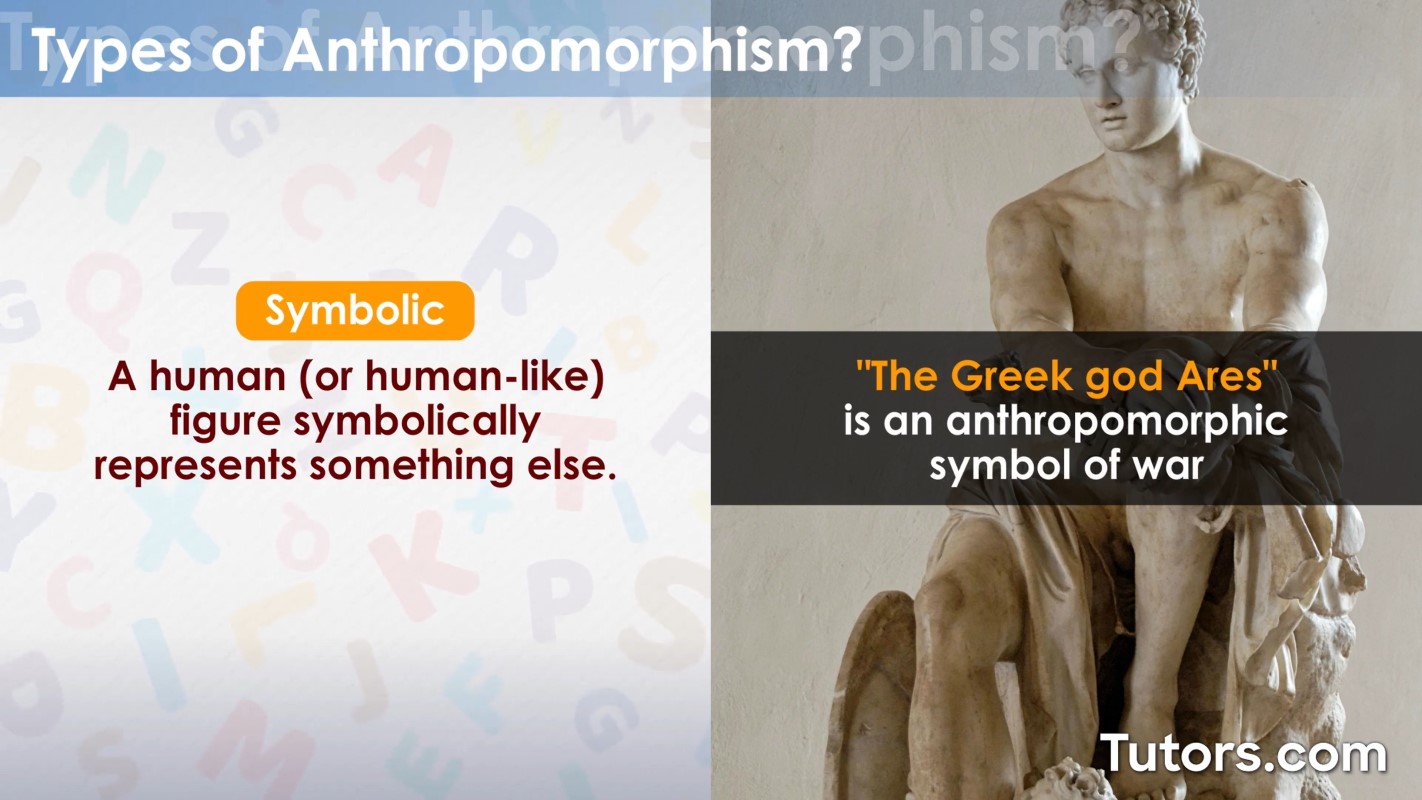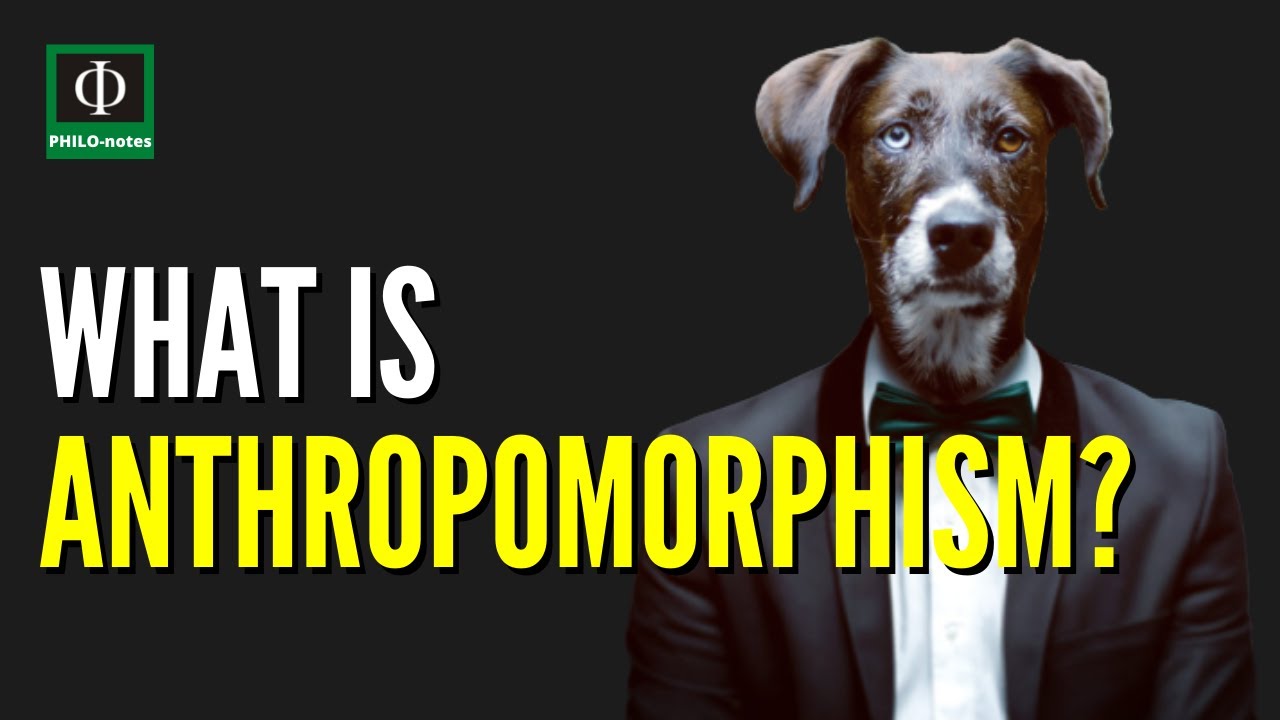
Anthropomorphism, a term derived from the Greek words “anthropos” (human) and “morphe” (form), signifies the attribution of human traits, emotions, and intentions to non-human entities. This linguistic and cognitive phenomenon transcends simple anthropological interest; it possesses profound implications in various cultural, literary, and psychological contexts, particularly within the Arabic-speaking world. Understanding anthropomorphism in Arabic entails not only exploring its meanings and nuances but also delving into the rich cultural layers that shape these interpretations.
Arab culture, steeped in centuries of literary and religious tradition, includes anthropomorphism as a recurring motif. From folklore to modern literature, the use of anthropomorphic expressions serves to elucidate human experiences and relationships. For example, one can find anthropomorphic animals in classical Arabic fables that often convey moral lessons. These stories encapsulate human virtues and vices through the actions and personalities of animals, allowing readers to relate profoundly to the themes presented.
In the context of classical Arabic literature, anthropomorphism plays a critical role in the poetry and prose of renowned poets like Al-Mutanabbi and Ibn Zaydun. They invoke human-like qualities in nature—to personify the desert winds or the silent moon—enabling a deep emotional resonance with their audience. An exploration of such texts reveals how anthropomorphism serves not just as a literary device, but also a philosophical inquiry into the human condition and the environment.
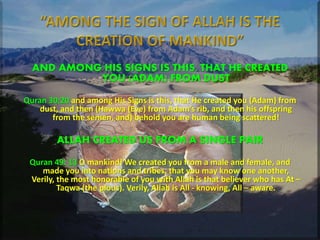
Within Islamic texts, anthropomorphism often becomes a contentious topic. The Qur’an emphasizes the transcendence of God, cautioning against depicting the divine in human terms. However, the use of anthropomorphic language to describe God’s attributes—such as mercy, love, and might—can be found, necessitating a delicate balance between reverence and relatability. This reflects a nuanced approach in Islamic theology where the use of human-like language aims to make divine attributes comprehensible without compromising the essence of monotheism.
In contemporary Arabic literature, anthropomorphism has evolved, presenting new dimensions. Contemporary authors utilize anthropomorphic characters to explore complex social issues while bridging the gap between tradition and modernity. For example, in many modern Arabic children’s books, animals are endowed with human characteristics not only to entertain but also as vehicles for social critique. This dual-purpose function opens up pathways for dialogue on morals, identity, and community-oriented values while remaining accessible to younger audiences.
Moreover, anthropomorphism is prevalent in the visual arts across the Arab world, from vibrant street art to digital illustrations. Artists often use anthropomorphized figures to comment on sociopolitical issues, utilizing symbols that resonate with collective experiences. These visual narratives bypass linguistic barriers and allow for a diverse interpretation landscape, inviting viewers to engage with the work on personal and communal levels. The blend of cultural legacy and modern expression through anthropomorphism leads to a richer understanding of societal commentary and resistance.
Anthropomorphism also permeates regional folklore, where the personification of natural phenomena and celestial bodies has served as a tool for community identity formation. In various Arabic-speaking cultures, stories about the moon crying for the bereaved or the sun smiling down on weddings impart moral lessons and foster a sense of belonging to a shared tradition. These tales highlight human connections to the cosmos, thus reinforcing the idea that anthropomorphism aids in understanding both the self and the universe.
Furthermore, the psychological dimensions of anthropomorphism cannot be overlooked. In a language as rich and metaphorically laden as Arabic, the tendency to attribute human qualities to non-human entities can serve as a coping mechanism. This phenomenon is particularly evident in how individuals personify objects or natural elements to seek solace during times of distress. The act of ascribing human emotions to inanimate objects can alleviate feelings of isolation, providing a semblance of companionship or understanding during existential crises.
The significance of anthropomorphism extends beyond literature and folklore; it can be observed in everyday expressions and colloquialisms. Arabic speakers often use anthropomorphic phrases to describe inanimate objects—like “the old tree mourns its lost leaves”—which evoke empathy and resonate emotionally. Such language enriches communication, allowing for a more vivid and relatable exchange of thoughts and ideas.
In essence, anthropomorphism serves as a prism through which various aspects of Arabic culture can be examined. It reflects the interplay between language, society, and emotion, illustrating how intrinsic belief systems and cultural narratives shape human interactions with the world. By dissecting its layers, one gains insight not only into literary and artistic endeavors but also into the psyche of Arabic-speaking communities, revealing a tapestry woven with shared experiences, histories, and values.
To conclude, the exploration of anthropomorphism in Arabic unveils a multifaceted understanding of human-non-human dynamics enriched with cultural symbolism and emotional depth. It reveals the complexities of existence and the persistent human desire for connection, whether through the literary arts, everyday expressions, or visual representation. As this phenomenon continues to evolve, it will undoubtedly remain a crucial vehicle for introspection, creativity, and societal critique in Arabic literature and culture.