Greek mythology is a captivating tapestry woven with intricate tales of gods, heroes, and extraordinary beings. Among the most compelling facets of this ancient tradition is the phenomenon of anthropomorphism—the attribution of human traits, emotions, and intentions to non-human entities. From mountaintop deities who embody the raw forces of nature to humanized beasts serving as moral exemplars, the anthropomorphic elements in Greek mythology speak to a profound intersection of humanity and the divine. This exploration reveals not only our fascination with these captivating figures but also sheds light on the deeper, perhaps innate, reasons for this enduring intrigue.
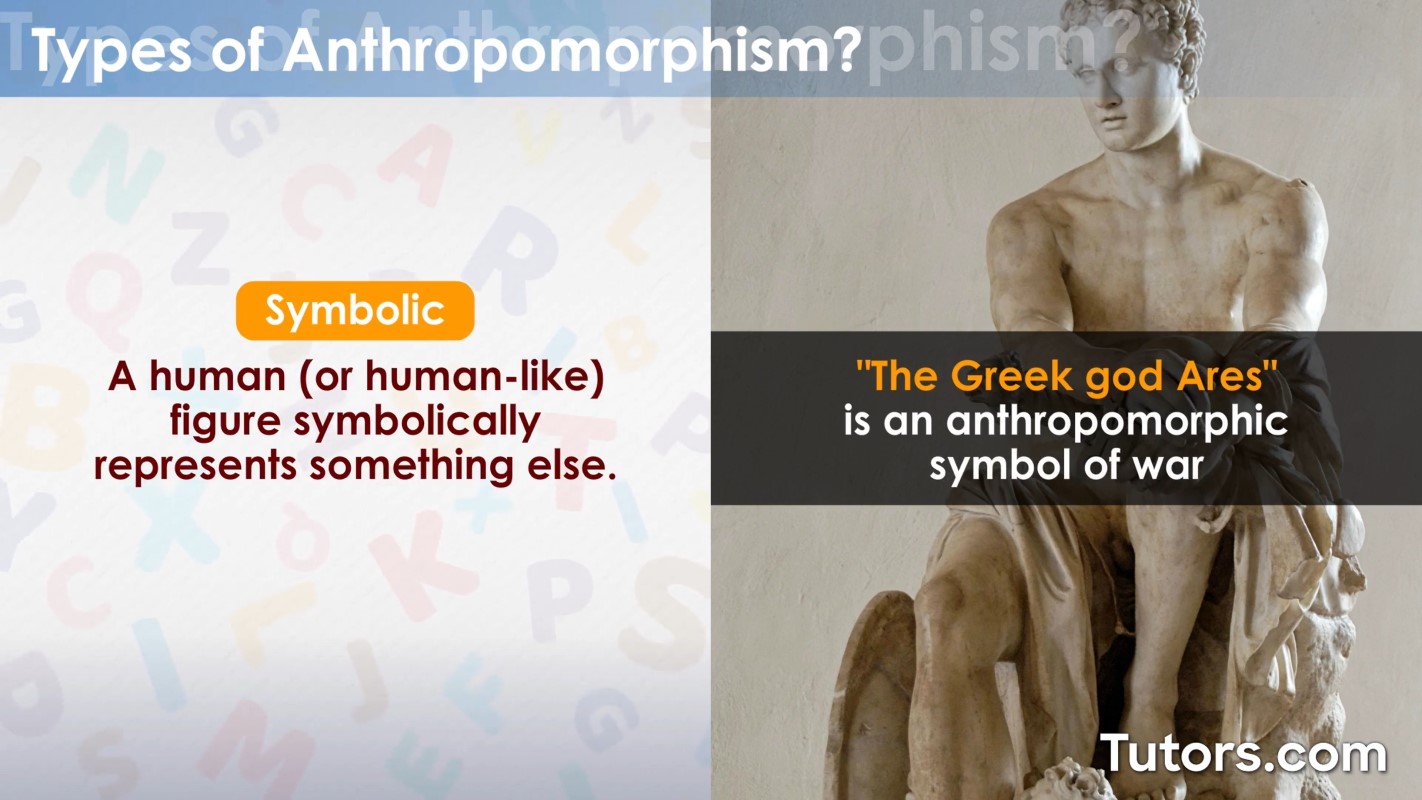
To comprehend the depths of anthropomorphism in Greek mythology, we must first delve into the pantheon of gods. The Olympians, led by Zeus, are quintessential examples of anthropomorphic representation. They possess distinct personalities, displaying a wide spectrum of emotions, from benevolence and love to jealousy and rage. This depiction not only humanizes these celestial beings but also provides insight into the cultural values and societal norms of ancient Greece. For instance, Aphrodite, the goddess of love and beauty, epitomizes human desires and the complicated nature of relationships. Her tales of passion and betrayal resonate with the human experience, inviting worshippers to reflect on their own romantic endeavors.
The intricacies of human nature are often mirrored in the narratives of these deities. Take, for example, the story of Hermes, the messenger god. Known for his cunning and agility, Hermes also exhibits qualities of trickery and playfulness, endearing him to mortals. His frequent interactions with humans, often resulting in mischief or assistance, underscore a vital theme in Greek mythology: the gods are not distant figures, but rather, they are intimately entwined with the human condition. By exhibiting human flaws and attributes, these gods become relatable, which reinforces the belief that the divine is aware of and engaged with the struggles of humanity.
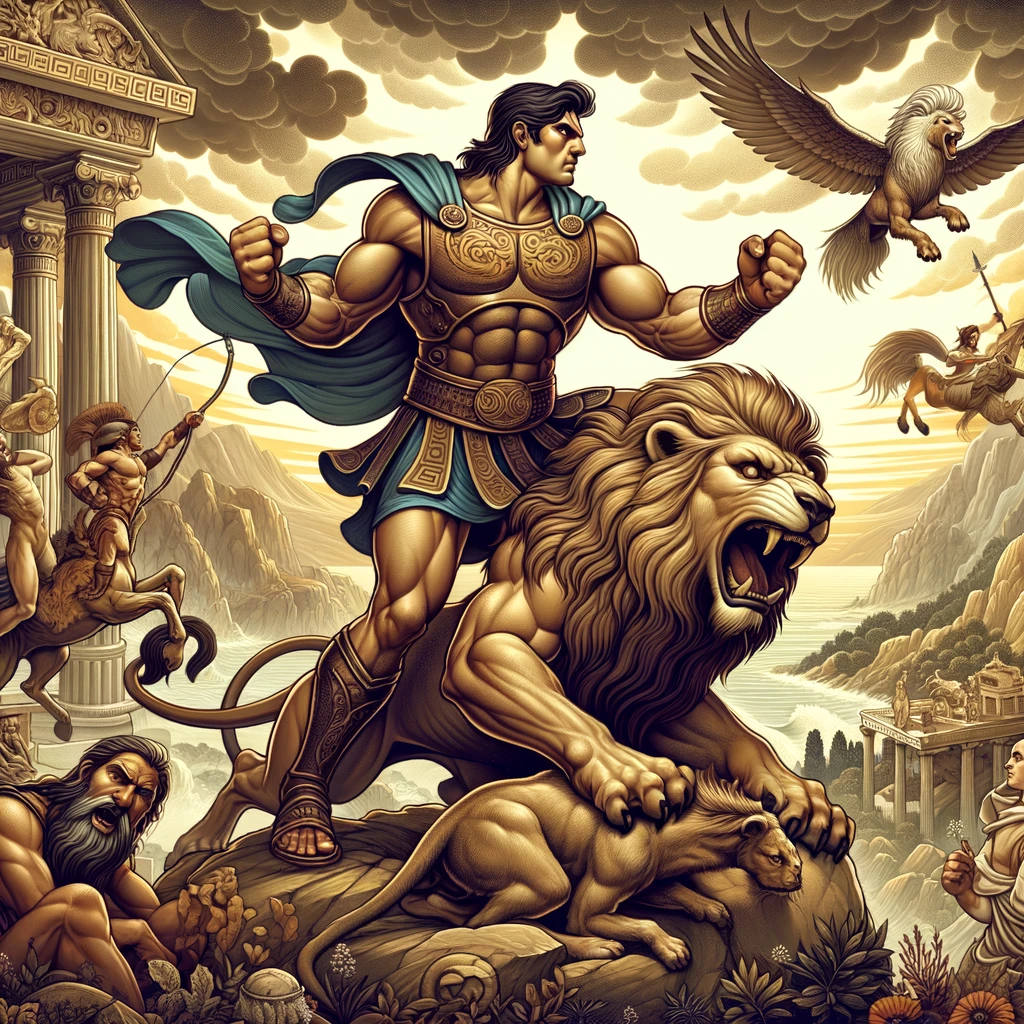
However, anthropomorphism in Greek mythology extends beyond the gods themselves. Heroes, who often operate under the aegis of divine guidance, also embody human traits and emotions. Take Heracles, for example, a demigod renowned for his strength and valor yet plagued by moments of vulnerability and doubt. His Twelve Labors serve as allegories of human perseverance and the arduous journey toward self-discovery. The various challenges he faces reflect intrinsic human dilemmas, such as the quest for identity, redemption, and the relentless pursuit of greatness. Hence, Heracles becomes not just a symbol of strength, but a representation of the multifaceted human experience.
Moreover, the presence of humanized beasts in Greek mythology further cements the theme of anthropomorphism. Creatures such as the centaur Chiron or the Sphinx are not merely fantastical elements; they are imbued with human-like intellect, emotions, and moral codes. Chiron, distinguished from his brethren by his wisdom and benevolence, serves as a mentor to numerous heroes, imparting fundamental lessons on virtue, justice, and compassion. This blending of human characteristics with animal forms evokes sympathy and challenges the perception of superiority often attributed to the human race. In these narratives, beasts become symbols of potential and enlightenment, teaching lessons that transcend mere survival instincts.
The fascination with anthropomorphic figures in Greek mythology may very well stem from humanity’s intrinsic desire to see itself reflected in the cosmos. The ability to project our experiences and emotions onto the divine allows for a richer engagement with these myths. Rather than portraying the gods strictly as omnipotent beings, the Greeks created a world where deities shared in the joys, triumphs, and failures of mortals. This connection fosters a sense of understanding and acceptance regarding the complexities of life. The anthropomorphized figures serve as conduits between the human realm and the divine, illustrating that the two are inextricably linked.
This enduring appeal also mirrors cultural and societal shifts throughout history. In times of uncertainty or upheaval, the tales of flawed gods and heroic figures provided reassurance. They reflected the struggle for identity and the aspiration for agency. Each character’s journey, laden with trials and tribulations, resonates on a universal level; they confront fears, make choices, and experience consequences. As society has evolved, so too has the interpretation of these anthropomorphic figures, often adapting to contemporary values and ideologies while retaining their core essence.
In conclusion, the anthropomorphism present in Greek mythology is a testament to humanity’s ceaseless quest for connection—with the divine, with nature, and especially with one another. Through the vivid portrayal of gods, heroes, and humanized beasts, these myths echo a timeless narrative that speaks to the complexities of existence itself. By attributing human characteristics to these otherwise transcendent beings, we navigate our own frailties and aspirations, fostering a sense of kinship with both the sacred and the profane. The tales endure not merely as stories from an ancient past, but as vibrant reflections of the human spirit, inviting continuous exploration and interpretation. Such is the power of anthropomorphism, where the lines between the human and the divine blur, allowing us to find meaning in the universe’s enigmatic dance.