Anthropomorphism, the attribution of human characteristics or behaviors to animals, inanimate objects, or abstract concepts, is a ubiquitous phenomenon in everyday life. From the enchanting tales of anthropomorphic characters in literature to the endearing commercials featuring talking animals, this trope resonates deeply within our psyche. It fosters empathy, enhances storytelling, and facilitates a connection between our human experiences and the broader world. Here, we delve into some compelling real-world examples of anthropomorphism and explore the underlying reasons for our fascination with this intriguing concept.
1. Animated Characters in Pop Culture
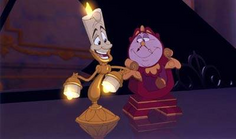
One of the most prominent manifestations of anthropomorphism can be observed in animated films and television shows. Characters like Mickey Mouse, Bugs Bunny, and Shrek exemplify how anthropomorphism creates engaging narratives. For instance, the whimsical antics of a cartoon cat or dog often mirror human dilemmas, making their journeys relatable. They reflect our own emotions, struggles, and aspirations, thus prompting viewers—both young and old—to identify with them. Moreover, these characters serve as conduits for important life lessons, as they navigate love, friendship, and courage in ways that resonate universally.
2. Company Mascots
In the realm of advertising, anthropomorphism has become a potent tool for creating memorable brand identities. Consider the lovable Geico Gecko or the affable M&M’s characters. These mascots are not merely vehicles for marketing; they evoke familiarity and warmth, engendering feelings of trust and affection among consumers. The Gecko, with his witty quips and charming demeanor, transforms a mundane insurance policy into a relatable and engaging experience. By embodying human traits, these mascots invite a connection that transcends traditional advertising, encouraging consumers to develop an emotional bond with the brand.
3. Everyday Inanimate Objects
Anthropomorphism is not confined to animated characters; it permeates our interactions with inanimate objects as well. Ever found yourself lovingly talking to your car as you embark on a journey? Or perhaps you’ve named your houseplant and celebrate its growth? These small acts—imbuing objects with human-like attributes—serve as expressions of companionship. By ascribing feelings to these objects, we stabilize our emotional landscapes and create a sense of belonging in an increasingly transient world. They become silent witnesses to our daily lives, soothing our anxieties and fostering a sense of comfort.
4. Pets as Family Members
Our relationship with pets epitomizes anthropomorphism in its purest form. Dogs, cats, and even birds are frequently ascribed human attributes, such as loyalty, affection, and even humor. Studies have shown that pet owners often perceive their animals as family members rather than mere pets. This phenomenon not only enhances our emotional connections but also improves mental well-being. The simple act of attributing human emotions to our pets can transform our interactions; we nurture them with love and care, celebrating their idiosyncrasies as if they were our own children.
5. Nature Personified
The natural world is rife with examples of anthropomorphism, wherein elements of nature are imputed with human characteristics. Consider the way we speak of storms as “angry” or describe a calm day as “happy.” This linguistic tendency underscores our innate desire to connect with the environment. By personifying nature, we reveal our profound respect and empathy for the world around us. We are not merely spectators but participants in an intricate tapestry of life. This connection fosters a sense of stewardship, compelling us to care for our planet as though it, too, has feelings worthy of regard.
6. Video Games and Interactive Media
The rise of video games has ushered in a new frontier for anthropomorphism. Characters such as Sonic the Hedgehog and Pikachu engage players by embodying human-like traits of bravery, loyalty, and friendship. These interactive experiences allow players to form alliances and embark on transformative journeys alongside their digitized companions. Such relationships deepen the emotional investment in the narrative, amplifying the sense of agency, as players navigate quests that echo personal growth. This gamification of anthropomorphism reflects our desires for connection and accomplishment.
7. Social Media and Digital Avatars
In the digital age, anthropomorphism has found expression in social media, where avatars and emojis have become commonplace. These tiny images often convey complex emotions and thoughts, resonating with our individual identities. The practice of creating digital personas that embody human characteristics enriches our social interactions, allowing for nuanced communication. When we share our feelings through a smiling emoji or a cute animal meme, we are tapping into the fundamental human desire for connection, transforming abstract emotions into relatable figures.
Conclusion
Anthropomorphism is an intricate tapestry woven into the fabric of our everyday lives. Whether through animated characters, company mascots, or the loving relationships we share with our pets, this phenomenon facilitates connections that shape our experiences. By invoking human traits in non-human creatures and objects, we enrich our understanding of the world and cultivate empathy for those who inhabit it. Our fascination with anthropomorphism underscores a deeper yearning for connection—an intrinsic part of the human experience. In a world that can sometimes feel isolating, the ability to find familiarity and warmth in the extraordinary manifestations of anthropomorphism serves as a reminder that we are never truly alone. Through these interactions, we find a reflection of ourselves, forming bonds that transcend the ordinary.