In our intricate web of existence, humans have a palpable penchant for attributing human traits, emotions, and intentions to the inanimate and the non-human. This fascinating phenomenon is known as anthropomorphism, and it skirts the boundaries of imagination, sparking curiosity as to why we feel an intrinsic urge to see ourselves in everything around us. From our household objects to mythical creatures, the canvas of our daily life is splashed with vivid strokes of personification. Let’s delve into the underlying layers of this phenomenon, exploring not only the psychological motivations but also the cultural and emotional undercurrents that draw us towards anthropomorphizing.
To begin with, one must acknowledge the cognitive framework within which we operate. As primates, our survival has relied heavily on the ability to decode social cues and intent. Recognizing faces and reading emotions fostered our social connections, strengthening group bonds and enhancing communal survival. This evolution has sculpted our brains to instinctively search for familiarity in our surroundings, including the objects and creatures that populate our world. For many, a beloved pet is not merely an animal; it is a confidant, a partner in daily adventures, a source of unconditional love and comfort. When we bestow human emotions upon animals, we are not merely observing; we are creating a more meaningful connection—transforming the mundane into the extraordinary.
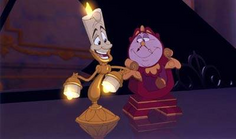
Cultural contexts also play a pivotal role in shaping our inclination toward anthropomorphism. Across centuries and civilizations, stories brimming with talking animals and personified phenomena have permeated folklore and mythology. From the cunning fox in Aesop’s Fables to the whimsical characters of Walt Disney, these narratives resonate deeply within us. They encapsulate moral lessons and cultural values while inviting us into a world where animals understand human dilemmas or objects possess a soul. In these tales, we find reflections of our own struggles and triumphs, offering comfort and wisdom in a way that transcends mere reality.
Furthermore, anthropomorphism caters to an elemental aspect of human psychology—the desire for control and understanding. The chaos of the world often feels overwhelming, and as we grapple with complexities, attributing human characteristics to events or entities offers a semblance of order. When technology fails, blaming it for ‘being in a bad mood’ or when a storm manifests, personifying its fury gives us a way to cope with nature’s unpredictability. By weaving personal narratives into these experiences, we regain a sense of agency, even if it is an illusion. This mirrors the age-old adage: “If you can’t beat them, join them.” Rather than remaining passive observers, we become active participants in the narratives that unfold before us.
Our affinity for personification extends into the realms of art and design, evident in the whimsical world of product branding. Companies are astutely aware of this behavioral quirk, often leveraging anthropomorphic mascots to personify their brand values and connect with audiences on an emotional level. A cheerful cartoon character might become the face of a sugary cereal, imbibing joy and nostalgia while simultaneously smoothing the pathway to consumerism. Such marketing strategies capitalize on our innate tendency to form emotional attachments, transforming mere products into companions that foster loyalty and familiarity.
Moreover, as our lives become increasingly intertwined with technology, the anthropomorphization of machines and artificial intelligence garners significant attention. From personal assistants with friendly voices to emotive robots designed for companionship, we instinctively cater to our need for connection. These technological innovations, often stripped of feel and emotion, are imbued with human-like traits to better integrate into our lives. The concept of the “uncanny valley” posits that as robots become more lifelike, they evoke stronger emotional responses—an interplay that showcases our deep-seated hope to relate to the realm of the artificial.
Yet, as enchanting as anthropomorphizing may be, it is not without its pitfalls. A risk lies in projecting human emotions onto creatures or concepts that cannot reciprocate. Misinterpreting an animal’s behavior through a human-centric lens can lead to harmful assumptions and decisions, particularly in contexts such as conservation and animal welfare. A lion is not simply a ‘brave king’; it is a complex being with instincts defined by survival, not notions of kingship. Understanding the balance between empathy and reality becomes crucial in fostering healthy relationships with the environment and the beings that inhabit it.
In conclusion, the compelling urge to anthropomorphize reflects a beautiful tapestry woven from the threads of our evolutionary history, cultural narratives, and psychological needs. Whether in the form of beloved pets, whimsical stories, or the tumultuous relationship with technology, anthropomorphism is a mirror reflecting our quest for understanding and connection. This intricate dance between human traits and the myriad elements of our world shapes our identities, inspires our creativity, and deepens our capacity for empathy. As we navigate the complexities of our existence, our inclination to imbue the non-human with human qualities serves not merely to entertain but to enlighten, drawing us into a rich tapestry of shared stories, emotions, and dreams.