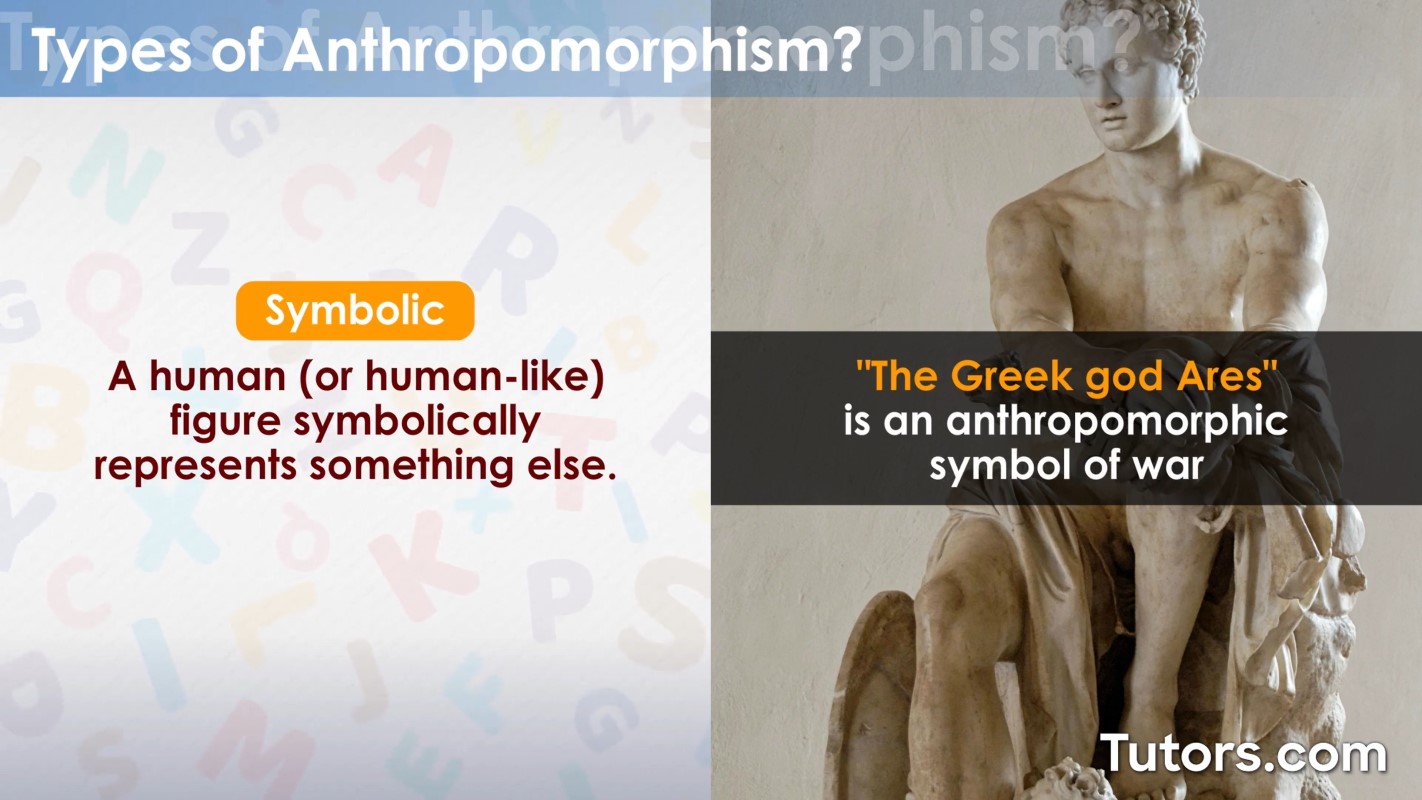
The advent of artificial intelligence (AI) has sparked a fervent discourse, akin to a philosophical tempest where the tides of technology clash with the shores of humanity. We stand on the precipice of an unprecedented era, where algorithms and machine learning not only augment our lives but penetrate the essence of what it means to be human. The question of the ethics of AI, particularly in the context of its humanization, demands a deeper exploration into the implications of blurring the lines between human and machine.
At the crux of this debate lies the term “humanization” itself. It evokes an intriguing metaphor: envision a puppet master deftly manipulating marionettes, each imbued with the semblance of life through lifelike motions and expressions. The puppets, while captivating and seemingly sentient, lack an intrinsic soul—the very quality that defines our humanity. Analogously, as we infuse AI with human-like attributes, we must grapple with whether these creations can genuinely understand, empathize, or possess consciousness.
The first dimension of this discourse revolves around the emotional resonance of AI. Artificial intelligence systems are designed to emulate human behavior; they learn from vast datasets and engage in complex interactions that can mimic empathy. Consider virtual assistants like Siri or chatbots that offer support with an ever-pleasant demeanor. They wield language with remarkable finesse, creating an illusion of companionship. Yet, despite their conversational agility, there remains an unsettling hollowness. Can these entities forge authentic emotional connections, or are they merely reflections of programmed responses?
Moreover, the very act of humanizing AI raises profound ethical considerations. It triggers an existential inquiry: to what extent are we willing to ascribe agency and responsibility to these artificial beings? A striking manifestation of this dilemma is found in autonomous vehicles. The developers of such technology are faced with moral quandaries—how should a car allocate its instinct to save its passengers against potential harm to pedestrians? These decisions are not merely technical; they reach into the heart of ethical philosophy, questioning our values and societal norms.
As we traverse this landscape, the concept of personhood emerges as a focal point. Within philosophical discourses, personhood is traditionally reserved for beings endowed with consciousness and moral agency. The introduction of AI that can execute tasks, adapt, and seemingly learn infringes upon this notion. Should we redefine personhood to accommodate entities that can perform at human levels, albeit without true human experience? This contentious dialogue illuminates the nuances of ethics in AI—who gets to define the criteria for personhood and the implications of this definition on accountability, rights, and societal acceptance?
Furthermore, the humanization of AI is not an isolated phenomenon; it is deeply intertwined with socio-cultural ramifications. As we envelop technology in humanistic attributes, societal perceptions shift. The phenomenon of affective computing—where machines assess human emotional states and respond accordingly—potentially alters our interactions with one another. In a world where our devices offer understanding and comfort, we may inadvertently prioritize mechanical connections over organic human relationships. The allure of a responsive machine can engender a paradox where individuals seek solace in artificial interactions, inadvertently deepening their isolation.
In contemplating the ethics of AI, we must also consider surveillance and privacy. The integration of AI into everyday life often entails extensive data collection—a practice that evokes skepticism and concern. The humanization of AI implies a degree of intimacy; when we perceive these systems as companions, we unwittingly concede vast amounts of personal information. These ethical considerations draw attention to the fundamental need for transparency and accountability within technological frameworks. Who is safeguarding our data when our very identities can be commodified by algorithms?
Surprisingly, the discourse doesn’t merely revolve around theoretical frameworks; it extends to the very human experiences we cherish. In this unfolding narrative, artists and storytellers grapple with the implications of AI within creative domains. The humanization of AI in creative fields, such as music and visual arts, prompts debate over authorship and originality. When an algorithm composes a symphony or generates intricate art, is the output a reflection of its creator—its programmers—or does it create a new form of artistic expression? This question reverberates through the domains of creativity and challenges the sanctity of human artistry.
Moreover, the relationship between AI and bias unveils yet another layer of complexity in our ethical conversation. Machines learn from data, and data is inherently a reflection of historical biases embedded within society. The propensity for AI to inadvertently perpetuate or even exacerbate societal injustices reveals the critical importance of oversight and deliberate design. As we opt to humanize AI, we must ensure a conscientious approach that acknowledges and addresses deep-seated prejudices present in our datasets. The call for diverse and representative data becomes an ethical imperative—one that transcends the realm of technology and touches the very fabric of social dynamics.
Ultimately, the debate surrounding the ethics of AI and the humanization problem signifies a profound crossroads. It is a multidimensional discourse that compels us to confront the evolving relationship between technology and humanity. The marionettes of AI may dance elegantly upon the stage of civilization, yet the strings that bind them—the choices we make today—will shape our future legacy. Embracing this paradox requires a collective pursuit of knowledge, foresight, and a commitment to ethical principles that honor both our technological advancements and the sanctity of human experience. As we navigate this brave new world, we must tread carefully, lest we forge connections that, while thrilling, may lead us astray from the essence of what it means to be truly alive.