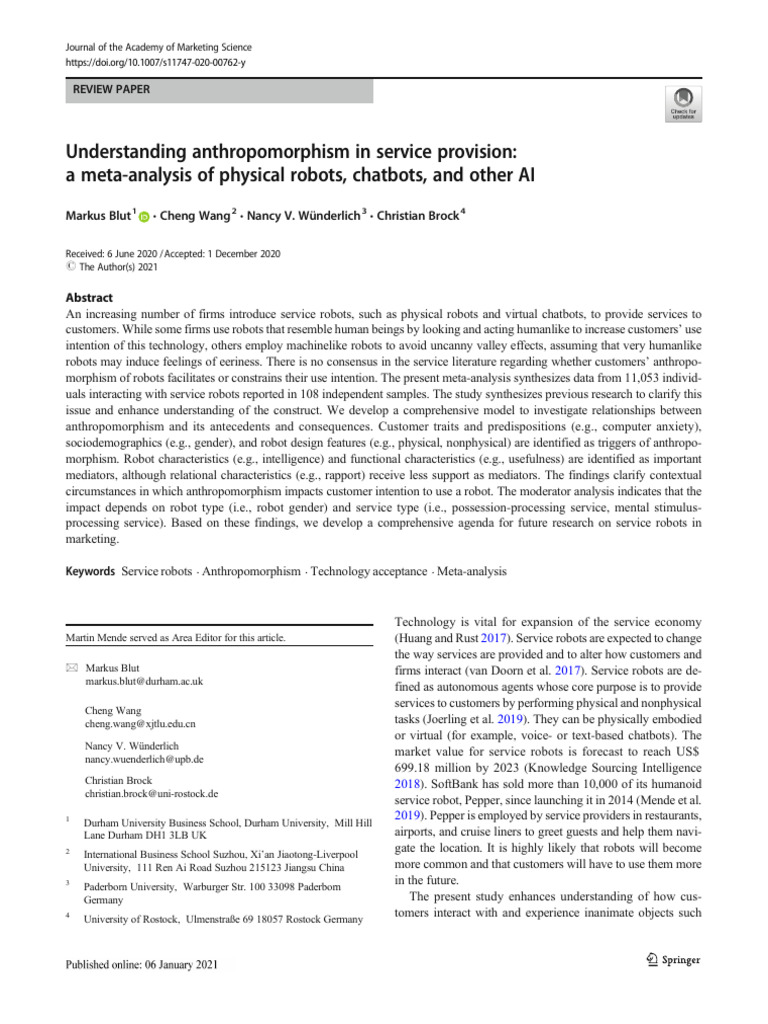
In an age where technology permeates every facet of our lives, one question looms large: Why do we often treat algorithms like sentient entities? This anthropomorphism of artificial intelligence (AI) not only reflects our profound human tendencies but also poses curious challenges for the future of technology. Imagine walking into a room and interacting with a virtual assistant or a chatbot. Do you find yourself assigning emotions, personalities, or even intentions to these sophisticated algorithms? What compels us to draw parallels between these non-human entities and ourselves?
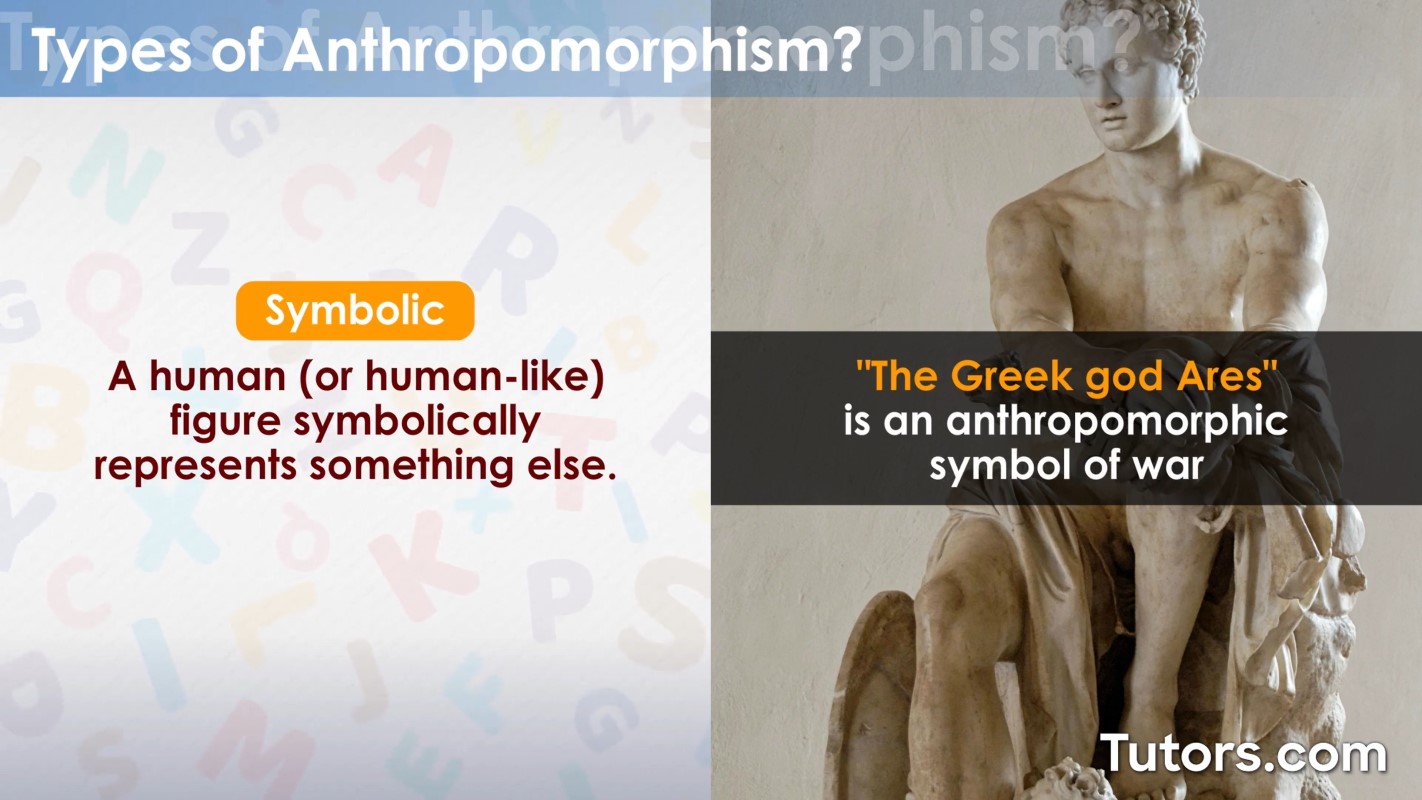
Anthropomorphism, the attribution of human traits, emotions, or intentions to non-human entities, is deeply rooted in our psyche. It enables us to relate to the abstract and often complex components of AI. Various studies indicate that when users anthropomorphize technology, they are more inclined to trust and engage with it. This pattern raises a crucial inquiry: Does treating algorithms like people enhance or hinder our interaction with technology?
As consumers of technology, we inhabit a landscape laden with intelligent systems. From self-driving cars to virtual assistants, these algorithms are now pivotal in decision-making processes. Furthermore, as we continue to integrate AI into everyday functions, our interactions are infused with an essence of familiarity; it feels as if we are engaging with personalities rather than lines of code. For example, a digital assistant responding to you with witty repartee can elicit an unexpected emotional response, further enticing you to view it through a human-like lens.
At the heart of this phenomenon lies our innate emotional need for connection. Humans are social creatures, biologically wired to form attachments and relationships. By imbuing technology with human-like characteristics, we forge bonds that make transactions more memorable and enjoyable. Consider the realm of customer service. Users often report more positive experiences when they perceive these interactions to involve empathy or understanding from chatbots, despite knowing they are conversing with programmed responses.
But herein lies the downside of anthropomorphism. By attributing human-like capabilities to algorithms, we may inadvertently create unrealistic expectations. Does a chatbot’s coherence and quick responses signify comprehension, or is it merely a sophisticated parsing of data? This distinction becomes critical when users neglect to understand the limitations of AI. For instance, when a virtual assistant provides faulty recommendations, users might feel betrayed, attributing blame to the “personality” they perceive rather than the underlying algorithms that dictate its operations.
Moreover, anthropomorphism can lead to ethical dilemmas. The bias present in algorithms emerges more pronounced when we perceive them as autonomous beings. When biases are uncovered in algorithmic output, do we hold the technology accountable or question the human creators behind its design? When viewed as responsible entities, algorithms face scrutiny that may overshadow the fundamental issue: the biases and shortcomings intrinsic to their programming. This conflation could obscure critical discussions regarding the ethical implications of AI.
Also, our propensity to humanize technology has significant ramifications on public trust. As both altruistic and sinister uses of AI proliferate, maintaining a balance between healthy skepticism and trust becomes vital. For instance, consider surveillance technologies employed in policing. When marketed with the merit of objectivity, a dispassionate gaze may mask underlying biases woven into their algorithms. This overlap between the humanization of technology and the perception of impartiality can lead to grave consequences, ensuring that the weight of responsibility is never genuinely borne by the algorithm.
Another intriguing aspect of anthropomorphic algorithms is the behavioral model they perpetuate. When algorithms are treated as humans, they may inadvertently mirror our tendencies—those of ignorance, bias, and prejudice infiltrating our social interactions. Consequently, these flaws manifest within AI technology, magnifying systemic issues instead of curbing them. Users may unwittingly reinforce stereotypes, creating feedback loops that propagate shotcomings in AI models, thus raising serious questions about accountability and the perpetuation of social biases.
Engendering accountability is no simplistic endeavor. It necessitates a concerted effort from developers, policymakers, and users alike. As AI systems become more ingrained in our society, an awareness about the nature of this anthropomorphism becomes essential. By acknowledging the limitations of our algorithms, we can foster a more transparent dialogue surrounding their development, use, and moral implications. Cultivating mindfulness about the nature of AI encourages us to treat it with the respect it deserves instead of cloaking it under anthropomorphic projections.
As society advances into an ever-digitized landscape, the question of anthropomorphism in AI will continue to echo. Are we crafting technology for our benefit, or vice versa? The charming allure of relating to our tools can drown out critical scrutiny. To navigate this labyrinthine relationship, we must delineate where empathy is warranted and where clarity must prevail. How can we foster a harmonious existence with these intelligent systems while remaining cognizant of their boundaries? The challenge is formidable, but with informed engagement, it is surmountable.
In conclusion, the phenomenon of treating algorithms as people opens a Pandora’s box of implications—both enriching and potentially hazardous. As we stand at this crossroads, we must embrace the duality of our emotions towards AI: that while they serve us, they are not extensions of ourselves. The allure of anthropomorphism in technology can either enhance our interaction as benevolent companions or ensnare us in the perils of misplaced trust. The way forward involves striking a delicate balance, ensuring we imbue AI with appropriate respect while engaging critically with its capabilities and limitations.