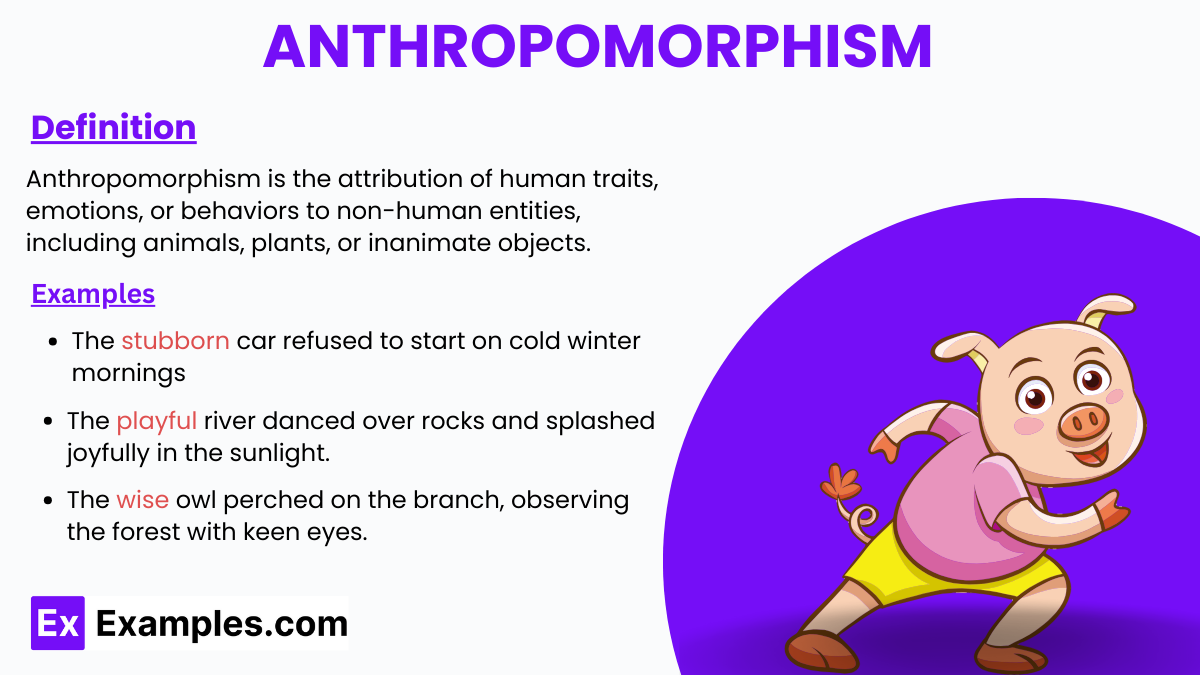
Anthropomorphism, a term derived from the Greek words “anthropos,” meaning human, and “morphe,” meaning form, encapsulates a fascinating literary and cognitive device. This intricate concept breathes life into inanimate objects, animals, or abstract ideas, attributing them with human traits, emotions, and intentions. To embark on a nuanced exploration of anthropomorphism, one must first grasp its pronunciation—an-thro-po-MOR-phism. The rhythmic cadence of the word evokes a sense of whimsy intertwining with intellectual curiosity, making the concept both accessible and profound.
Historically, anthropomorphism has been a pivotal element in storytelling and artistic expression. Ancient cultures utilized anthropomorphized deities to conceptualize complex theological ideas. This phenomenon allowed civilizations to forge connections with their gods, embodying divine traits in tangible forms. For instance, Egyptian deities such as Anubis, with a human body and a jackal’s head, represent both the mysterious and the familiar. Such representations facilitated a deeper understanding of the abstract and enticing realms of divinity, bridging the human experience with the enigmatic.
As language evolved, so too did the application of anthropomorphism in literature. Think of Aesop’s Fables, where animals converse and reflect human behaviors, a testament to the timeless nature of this device. In these narratives, the cunning fox, the wise owl, and the industrious ant showcase human virtues and vices, offering readers moral lessons wrapped in simple yet profound storytelling. Such fables underscore the essence of anthropomorphism: the rendering of complex human experiences into relatable tales that resonate across ages and cultures.
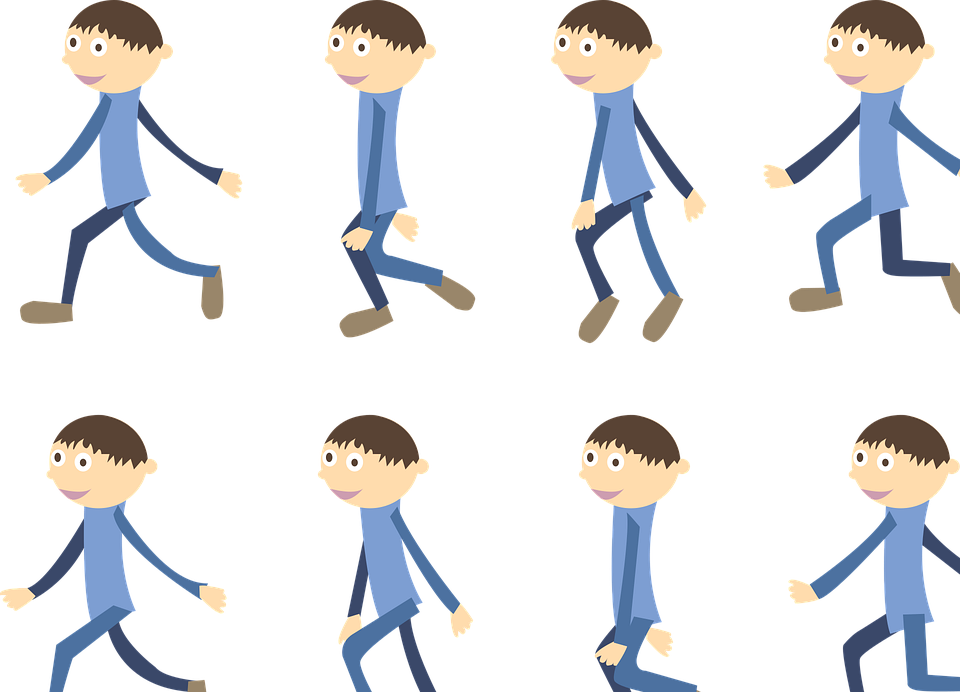
Beyond literature, anthropomorphism permeates various aspects of modern culture, seeping into films, advertising, and even consumer products. Cartoon characters, like the charismatic Mickey Mouse or the mischievous Bugs Bunny, exemplify how anthropomorphism captivates audiences. These characters, with their exaggerated human behaviors and emotions, forge emotional connections with viewers, evoking laughter, empathy, and nostalgia. The success of animated films demonstrates the power of anthropomorphism; by representing characters as relatable beings, creators invite audiences into whimsical worlds that mirror their own experiences.
In advertising, brands often employ anthropomorphism to make products more appealing. Take, for example, the beloved Geico gecko or the M&M’s characters, who embody human-like attributes. These anthropomorphized mascots do not merely represent a product; they imbue it with personality and story, transforming everyday items into engaging narratives. As a result, consumers are more likely to remember and relate to these brands, establishing emotional connections that encourage loyalty and purchasing behaviors.
Delving deeper into the psychological aspects, anthropomorphism plays a critical role in human cognition. The tendency to attribute human emotions to non-human entities is rooted in our innate desire for connection and understanding. When faced with incomprehensible events or phenomena, our minds instinctively humanize them, seeking patterns and attributes we can comprehend. This tendency is not merely a whimsical quirk; it underscores a fundamental aspect of human nature—our constant quest for connection.
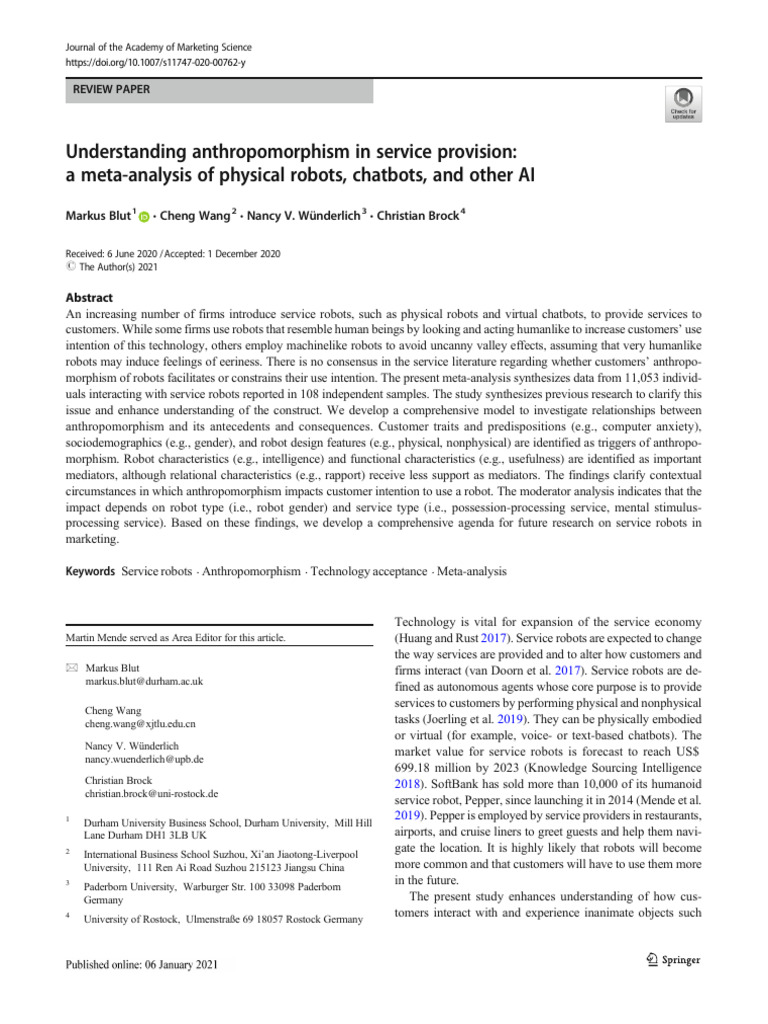
Anthropomorphism also emerges in the realm of technology and artificial intelligence. As robots and virtual assistants become increasingly sophisticated, the tendency to assign them human-like traits burgeons. Consider how many users personify Siri or Alexa, ascribing them with emotions or intentions. This behavior reflects our deep-seated need for companionship and interaction, transforming what are essentially complex algorithms into perceived entities that evoke human-like interactions.
The act of anthropomorphizing can have both positive and negative consequences. On one hand, it fosters empathy and allows individuals to explore perspectives beyond their own. In environmental discourses, anthropomorphism can galvanize movements by personalizing issues—when we view nature as a character that we must protect, it ignites a sense of responsibility. However, it can also lead to misconceptions and trivialization of serious issues, as seeing animals or environments as purely human-like can undermine their intrinsic value.
Moreover, anthropomorphism invites a delightful juxtaposition between reality and fiction. It challenges the boundaries of imagination, allowing for the exploration of fantastical ideas grounded in familiar emotions. Works such as George Orwell’s *Animal Farm* brilliantly encapsulate this juxtaposition, using anthropomorphized animals to critique socio-political systems. Through this lens, readers grapple with profound societal truths, all while being entertained by the colorful antics of a talking farm.
In conclusion, anthropomorphism serves as a portal to understanding not only the world around us but also our place within it. It emerges as a powerful narrative tool that fosters empathy, challenges perceptions, and invites readers into realms brimming with creativity and insight. By understanding this multifaceted device, one can appreciate the profound ways in which it enriches storytelling, informs our interactions with technology, and mirrors the complexities of human emotion. The exploration of anthropomorphism is a journey through a landscape painted in human emotions, where the boundaries of imagination are limitless, and every story holds a reflection of our own humanity.