In the realm of theology, the intricacies surrounding the divine nature and communication of God have sparked profound contemplation. One of the most compelling themes within this discourse is the concept of “accommodating speech,” where the divine chooses to express itself in human terms. Throughout various scriptures, God is depicted in ways that resonate with human experience, employing language and imagery that are both relatable and comprehensible. This article delves into the multifaceted dimensions of this divine communication, illustrating how God employs human vernacular to convey magnificent truths.
1. The Concept of Divine Accommodation
At the heart of accommodating speech is the idea that the infinite nature of God can be inaccessible to finite human understanding. To bridge this chasm, sacred texts often present God using anthropomorphic and relatable expressions. This approach allows a personal connection, enabling believers to grasp complex truths. By humanizing divine attributes, scriptures not only demystify God’s essence but also invite humanity into a deeper relationship with the divine.
2. Anthropomorphism: Bringing God to Human Scale
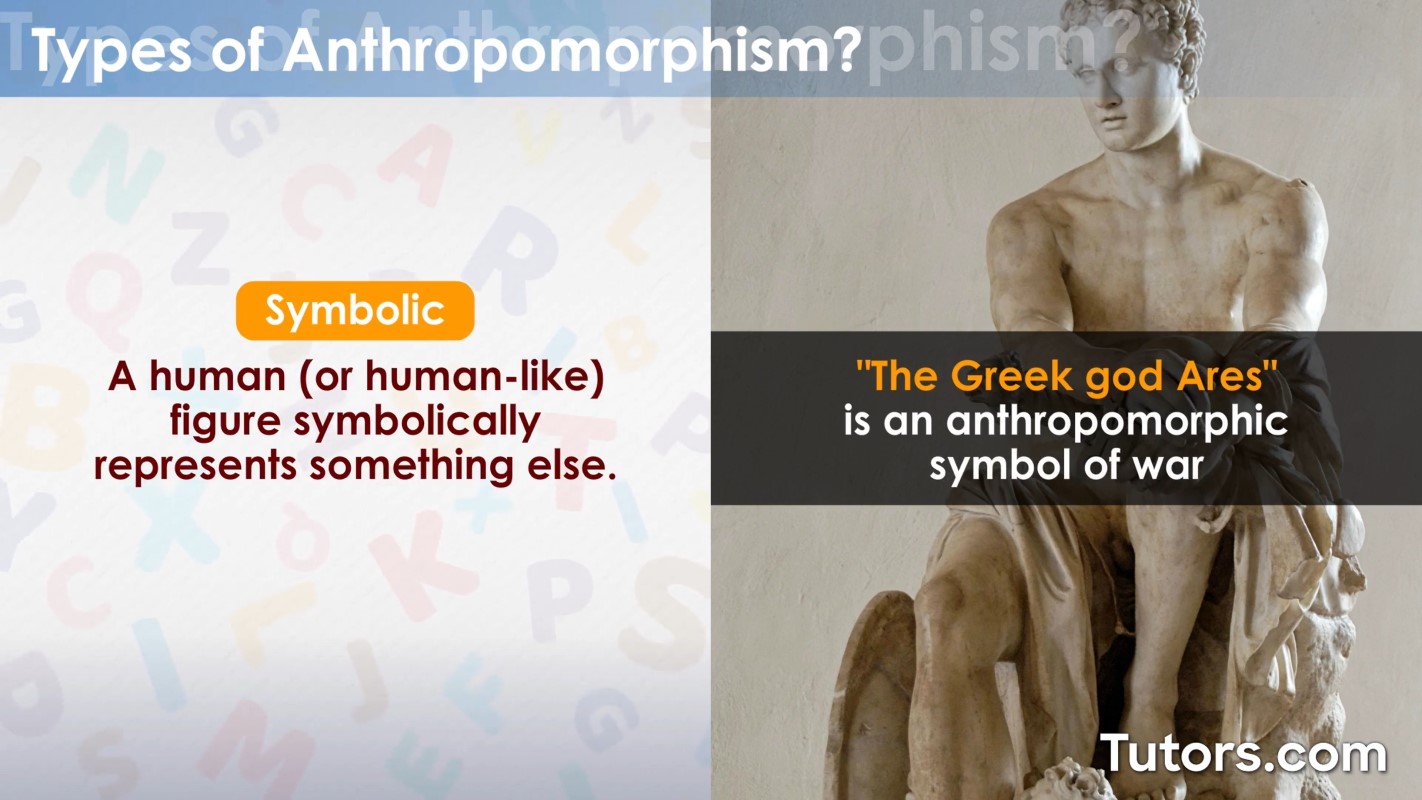
One of the primary techniques in accommodating speech is anthropomorphism, where God is described using human characteristics. For instance, God is often portrayed as a shepherd, a metaphorical device that conveys care, guidance, and protection. In Psalm 23, the imagery of God leading individuals beside still waters illustrates a nurturing presence. This portrayal offers solace and reassurance, emphasizing God’s intimate understanding of human needs and vulnerabilities.
Similarly, in the New Testament, Jesus refers to God as “Father,” suggesting a familial bond that is both protective and loving. This fatherly representation fosters a sense of belonging and safety, revealing a God who is both transcendent and immanent. These human-like depictions invite believers to approach the divine not with trepidation but with trust and affection.
3. Metaphorical Language: Unveiling Divine Truths
Metaphors serve as another powerful tool in the accommodating speech of God. Through imaginative comparisons, profound spiritual realities are distilled into understandable concepts. For instance, in John 15:5, Jesus proclaims, “I am the vine; you are the branches.” This metaphor beautifully encapsulates the concept of interdependence, illustrating how believers are sustained through a vital connection with Christ.
The vine metaphor communicates abundance and life, creating a vivid portrayal of spiritual nourishment. Such language resonates deeply, allowing individuals to envision their relationship with God as dynamic and vital rather than static or remote. This vivid imagery engages the imagination, stimulating both intellectual and emotional responses.
4. The Emotional Spectrum: Evoking Human Experience
Accommodating speech transcends merely intellectual engagement; it also evokes a spectrum of emotions. In the Psalms, God is described as a refuge in times of trouble, evoking feelings of safety and assurance. These expressions resonate deeply with human experiences of distress and longing for comfort. When God is personified as one who “hears our cries” or “collects our tears,” it creates an empathetic resonance, emphasizing that divine attentiveness to human suffering is real and profound.
Moreover, human emotions such as joy, anger, and sorrow are attributes ascribed to God. For instance, the depiction of God as one who rejoices in our victories (Zephaniah 3:17) or feels sorrow over injustice illustrates a complex emotional depth that underscores a relational God. This blending of divine and human emotion fosters a deeper, more nuanced understanding of God’s character.
5. The Role of Narrative: Storytelling as Divine Revelation
Narratives in sacred texts often serve as a vehicle for divine communication, weaving stories that illustrate God’s nature through engaging plots and character development. The parables of Jesus, for example, convey profound theological truths within relatable, everyday contexts. The Parable of the Good Samaritan encapsulates the essence of love and compassion, showcasing God’s desire for humanity to embody these virtues.
Through storytelling, the abstract becomes tangible, allowing readers to internalize profound lessons naturally. The characters, obstacles, and resolutions within these narratives not only serve as moral exemplars but also reflect divine truths that resonate with human experiences. Thus, stories become an essential means through which God communicates complex realities using familiar frameworks.
6. Implications for Faith and Practice
The application of accommodating speech in understanding God has significant implications for spiritual life and practice. Recognizing the human expressions of God fosters a more relatable and accessible faith. Believers can approach God with the understanding that divine characteristics mirror the best of human qualities—love, justice, mercy, and empathy.
Moreover, this understanding encourages individuals to reflect these attributes in their own lives and relationships. If God is described as a shepherd, then the faithful are called to embody nurturing and protective qualities in their communities. This reciprocal relationship between divine accommodation and human imitation underscores a dynamic of engaged faith.
Conclusion
In exploring the theme of accommodating speech, it is clear that God’s choice to communicate through human terms serves a profound purpose. By employing anthropomorphic language, metaphorical expressions, emotional resonance, and narrative storytelling, God not only makes the divine accessible but also invites humanity into a deeper, more intimate relationship. This approach fosters understanding, engagement, and, ultimately, a transformative experience that transcends the limitations of human interpretation. As believers navigate their spiritual journeys, the rich tapestry of accommodating speech offers valuable insights into the nature of God and the call to live out divine principles in everyday life.