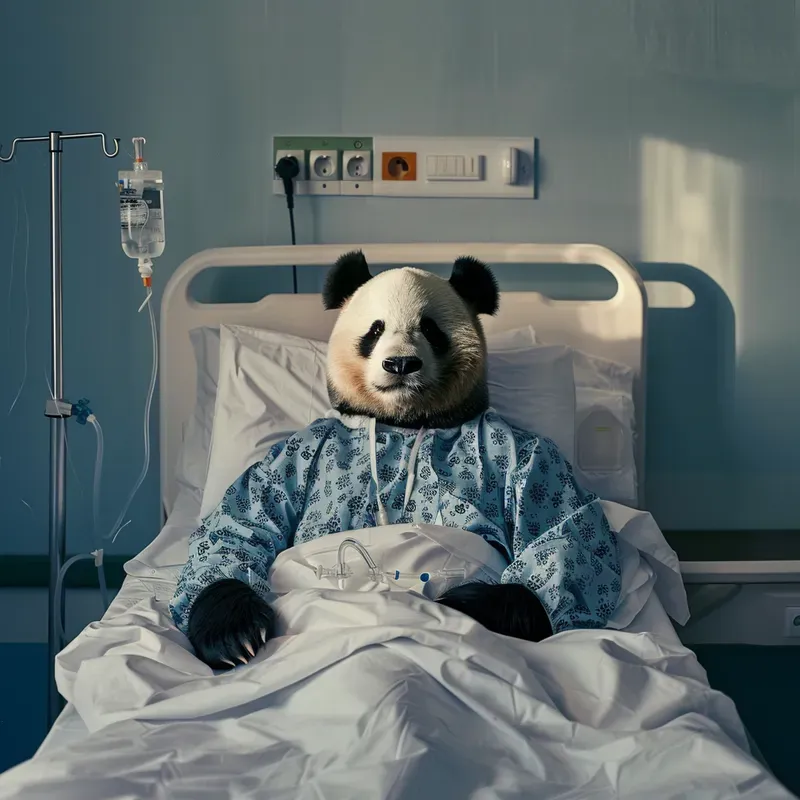
Anthropomorphism, the attribution of human characteristics to non-human entities, particularly animals, has long fascinated thinkers, writers, and scientists. Humans, by their very nature, are inclined to perceive the world through the lens of their own experiences. From the playful antics of a dog to the melancholic gaze of a cat, the echoes of human emotion resonate in the behaviors of our furry companions. However, while it seems natural to assign human traits to animals, the implications of this practice warrant a deeper examination.
One might ask, why are we so enamored with the idea of anthropomorphism? This intrigue often stems from a profound desire to form connections, to relate to those who exist outside the human realm. Animals evoke empathy in us; their struggles mirror our own, acting as a poignant reminder of our shared vulnerabilities. When a dog cowers during a thunderstorm, it is difficult not to empathize, to recall moments of trepidation in our lives. This emotional resonance serves as a foundation for how we perceive animal behaviors—you see your beloved companion’s fear and immediately relate it to your own experiences of anxiety or distress.
The origins of this proclivity can be traced through centuries of folklore and storytelling. Many cultures have utilized anthropomorphic animals as vehicles for moral tales and lessons. Aesop’s Fables, for example, used animal characters to convey messages about human flaws and virtues. Such narratives illustrate our need to understand complex human characteristics and behavior through simpler, more digestible figures. Even in modern media, such as animated films featuring talking animals, this construct is prevalent. We are drawn to these characters, as they encapsulate traits we recognize and aspire to or wish to critique.
Yet, while anthropomorphism can foster connections, it also has its pitfalls. Assigning human traits to animals can lead to misunderstandings of their natural behaviors. For instance, a cat may appear aloof or purposeful in its actions, leading some to claim it is “being spiteful” or “plotting revenge.” In truth, animal behaviors are often driven by instincts and evolutionary traits that have little to do with human emotions. Misinterpreting these actions through an anthropomorphic lens can obscure the rich tapestry of animal behavior and, ultimately, hinder our understanding of their needs and well-being.
Moreover, the implications of anthropomorphism extend beyond mere misunderstanding. It can inadvertently affect conservation efforts and animal welfare initiatives. When humans anthropomorphize animals, they may project their own values and priorities upon species that have vastly different ways of living and interacting with their environment. This can result in misguided conservation strategies that do not effectively address the specific needs or challenges facing a given species. For example, the popularity of charismatic megafauna, such as elephants or tigers, often overshadows the plight of less relatable animals, leading to unequal attention and funding in conservation efforts.
Furthermore, the phenomena observed with pets present another layer to this discourse. Pet owners frequently ascribe emotional states and moral dilemmas to their animals, enhancing companionship while concurrently misidentifying their intrinsic behaviors. When a dog displays loyalty, it is easy to interpret it as an unwavering love, yet what lies beneath is a sequence of learned behaviors born of domestication and social conditioning. This intersection of affection and misunderstanding calls for a careful evaluation of how we perceive animals living within our societal framework.
Despite the nuanced discourse surrounding anthropomorphism, it is essential to recognize the inherent value in our emotional connections to animals. They play pivotal roles in our lives, offering companionship, and unspoken understanding. Pets often serve as family members, fulfilling emotional needs that go beyond mere companionship and delve into the therapeutic realm. Research has consistently shown that interactions with animals can significantly reduce stress and improve mental health. The simple act of petting a dog or cat can release oxytocin, the bonding hormone, creating a symbiosis that uplifts both human and animal spirits.
Moreover, anthropomorphism can serve as a powerful educational tool. When we assign human-like qualities to animals, we succeed in engaging wider audiences in conversations about wildlife conservation. This approach often inspires empathy—an essential element in fostering stewardship for vulnerable species and their habitats. As society continues to grapple with ecological issues, the connection established through anthropomorphism can spur action, bridging the gap between understanding and responsibility.
Ultimately, the dialogue surrounding anthropomorphism is not a simple binary of right or wrong but exists within a spectrum of understanding and emotion. The nuances of animal behavior, intertwined with the fabric of our emotional responses, call for thoughtful consideration. Recognizing the complexity inherent in animal lives while appreciating their emotional resonance with our own can lead to a more profound and enriched coexistence.
In conclusion, while there are valid concerns regarding misconceptions arising from anthropomorphism, its existence also highlights the deep-seated yearning for connection. As we tread the delicate line between empathy and misunderstanding, it becomes evident that the world of animals is as intricate and layered as the human experience itself. Through this recognition, we can foster a greater appreciation for the myriad ways in which animals navigate their lives, allowing us to cultivate kindness, understanding, and respect for the creaturely beings that share our planet.