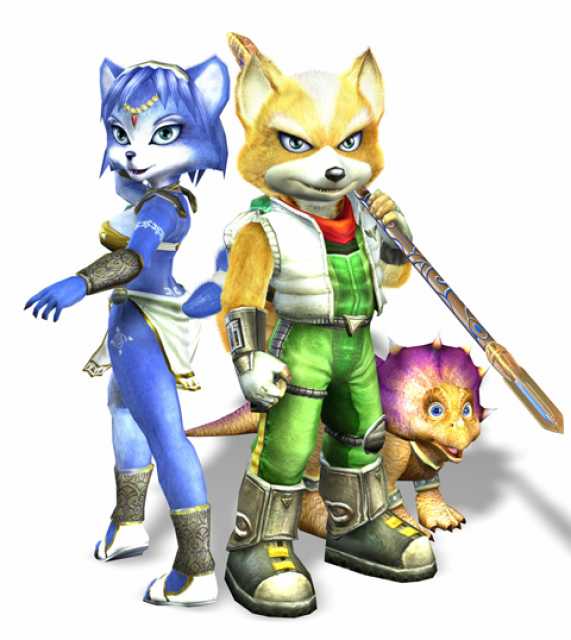
In the sprawling landscape of video games, where pixels and polygons coalesce into worlds both fantastical and familiar, one phenomenon stands out with quiet persistence: the deliberate avoidance of anthropomorphism. While many games clamor for lifelike characters with human-like expressions, gestures, and emotions, others retreat into the realm of the non-human—beasts, objects, or abstract entities—with a purposeful refusal to mirror our own form. This choice is not mere stylistic whimsy; it is a deliberate narrative and mechanical strategy, one that speaks to deeper truths about immersion, identity, and the very nature of play.
The Allure of the Uncanny Valley’s Antipode
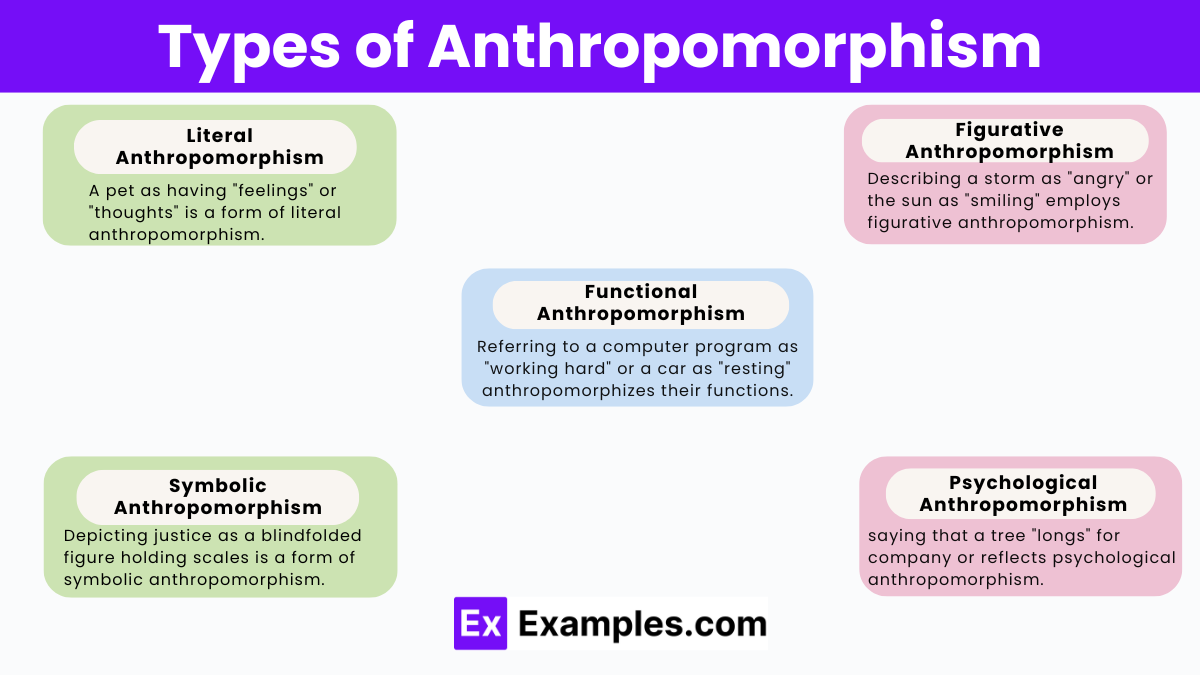
Anthropomorphism—the attribution of human traits to non-human entities—has long been a cornerstone of game design, particularly in narrative-driven experiences. When a character’s eyes glisten with tears or their voice cracks with emotion, players feel a surge of empathy, a bridge between the digital and the real. Yet, some games deliberately sidestep this emotional shortcut, opting instead for protagonists that remain resolutely *other*. This is not a rejection of connection but an embrace of a different kind of intimacy: one forged through strangeness rather than sameness.
Consider the silent protagonist, a trope as old as gaming itself. Whether it’s Link in *The Legend of Zelda* or the faceless avatar of *Dark Souls*, these characters speak not through words but through action, allowing players to project themselves into their roles without the interference of predefined personality. The absence of anthropomorphism here becomes a canvas, inviting players to imprint their own narratives onto the void. It’s a subtle rebellion against the tyranny of the fully realized human character, where every twitch of the lip or furrow of the brow can feel like an imposition rather than an invitation.
Mechanics Over Mimicry: The Functional Case for Non-Human Forms
Beyond narrative, anthropomorphism often carries mechanical baggage. Human characters demand complex animation rigs, facial capture systems, and voice acting—each layer adding cost, time, and potential for uncanny failure. Games that eschew this burden, like *Katamari Damacy* or *Untitled Goose Game*, find freedom in simplicity. A rolling ball of debris or a mischievous goose need not emote; their actions speak volumes. The absence of human form becomes a liberation, allowing designers to focus on pure gameplay mechanics without the distraction of realism.
Moreover, non-anthropomorphic characters can transcend the limitations of human physiology. A sentient cloud in *Pode*, a sentient train in *Spiritfarer*, or a sentient mushroom in *Super Mario Bros.* can interact with the world in ways that defy gravity, biology, or even logic. This defiance of the human form allows for gameplay that is as imaginative as it is innovative. When a character is not bound by the constraints of a human body, the game’s world can bend to the whims of creativity rather than the demands of verisimilitude.
The Subversive Power of the Non-Human Perspective
Anthropomorphism often serves to make the unfamiliar familiar, but some games flip this script to reveal the strangeness of our own world. By presenting players with non-human protagonists, these games force a shift in perspective—a cognitive estrangement that highlights the arbitrary nature of human norms. In *Everything*, players embody everything from a rock to a galaxy, experiencing existence from a vantage point that is at once humbling and exhilarating. The game doesn’t just avoid anthropomorphism; it weaponizes it, using the absence of human form to question our place in the universe.
This subversion extends to themes of agency and control. When playing as a creature with instincts rather than intellect, players are stripped of the illusion of mastery. *Flower*, for instance, casts the player as a gust of wind, guiding petals through a surreal dreamscape. There is no dialogue, no combat, no traditional progression—just the quiet joy of movement and discovery. The lack of anthropomorphism here isn’t a limitation; it’s a meditation on the beauty of existence without the burden of self-awareness.
Cultural and Historical Echoes: Why We Crave the Other
The avoidance of anthropomorphism is not a modern contrivance but a thread woven through the tapestry of human storytelling. Mythologies the world over are replete with deities, heroes, and creatures that defy human form—think of the Egyptian god Anubis with his jackal head or the Hindu deity Ganesha with his elephant visage. These figures are not diminished by their non-human traits; they are elevated, their forms imbued with symbolic power. Games, as a modern medium of myth-making, inherit this tradition, using non-anthropomorphic characters to tap into archetypes that resonate across cultures and eras.
There’s also a psychological undercurrent to this choice. The uncanny valley—the discomfort we feel when something is almost but not quite human—has been well-documented, but its inverse is equally compelling. The *comfort of the alien* allows players to explore themes of identity, belonging, and otherness without the baggage of human social constructs. A game like *A Short Hike*, where players embody a tiny bird, doesn’t just avoid anthropomorphism; it invites players to see the world through the lens of flight, freedom, and fleeting encounters. The absence of human form becomes a sanctuary, a space where players can shed their real-world identities and embrace something entirely new.
The Future: Where Form Meets Function in Uncharted Territory
As technology advances, the line between anthropomorphic and non-anthropomorphic design continues to blur. Motion capture and procedural animation are making it easier to imbue even the most abstract characters with lifelike movement, yet the allure of the non-human persists. Why? Because in an era where digital faces can mimic our own with eerie precision, the choice to remain formless or fantastical is a radical act of defiance. It’s a declaration that games need not strive for photorealism to be profound, immersive, or emotionally resonant.
Looking ahead, we may see even more experimental approaches to character design. Imagine a game where the protagonist is a sentient algorithm, or a swarm of nanobots, or a sentient planet. These forms would challenge players to rethink their relationship with the game world, fostering a sense of wonder that anthropomorphic characters—no matter how well-crafted—might struggle to evoke. The avoidance of anthropomorphism, then, is not a step backward but a leap forward, a refusal to be constrained by the limits of human form in a medium that is, at its core, limitless.