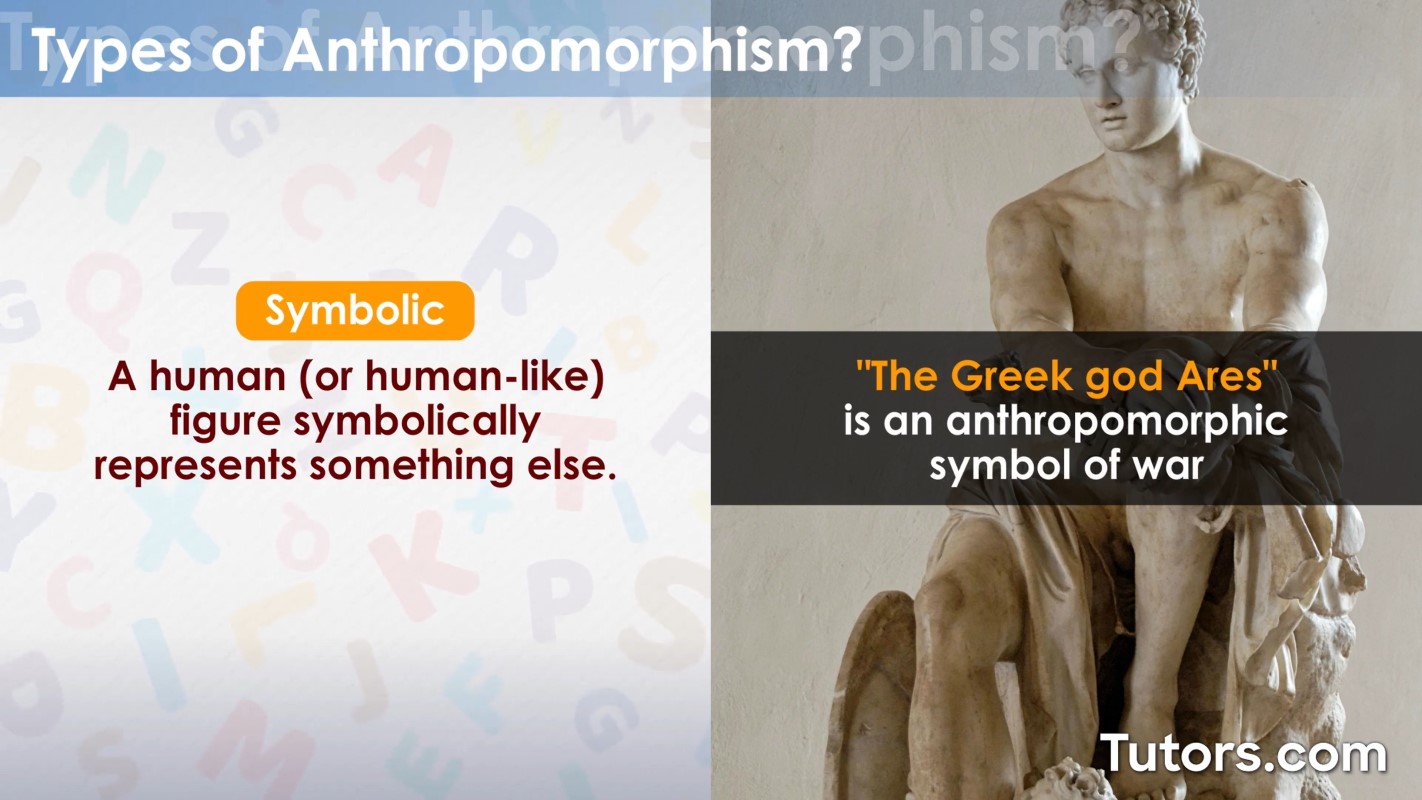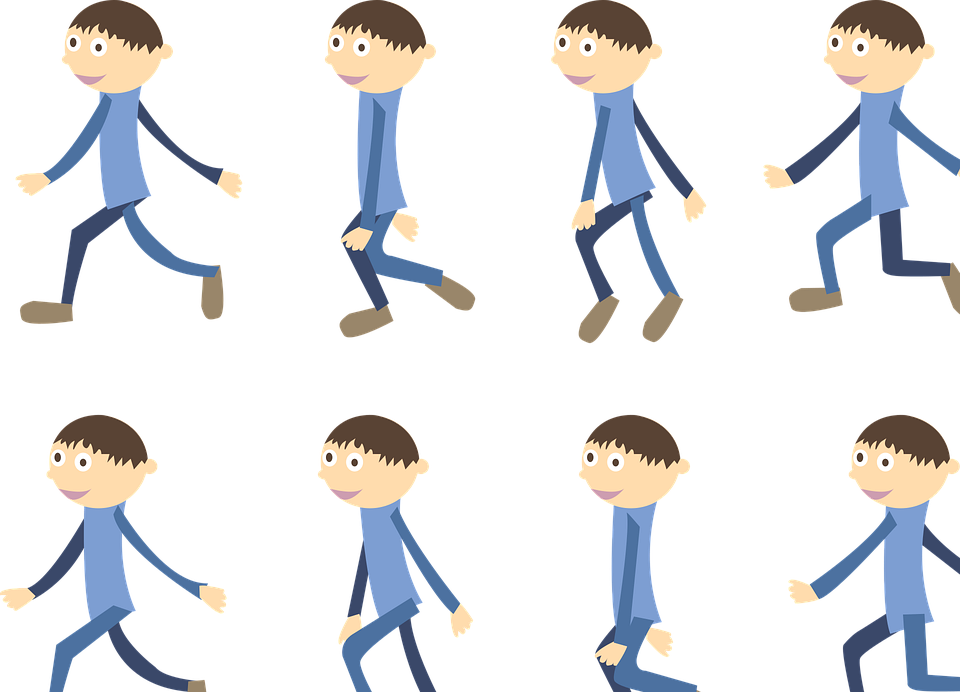
What if the next time you interacted with a digital assistant, a chatbot, or even a smart appliance, it didn’t just respond to your commands—but *looked back at you* with eyes that seemed to hold curiosity, or tilted its head in a gesture that felt almost human? This isn’t science fiction. It’s the quiet revolution of anthropomorphism in design: the art of imbuing non-human entities with human-like traits. From the gentle curve of a robot’s smile to the playful bounce of a loading icon, anthropomorphism isn’t just about aesthetics—it’s an emotional bridge between technology and the people who use it. But as we lean into this design strategy, we must ask: does it always bring warmth and connection—or could it sometimes mislead, confuse, or even unsettle the very users it aims to engage?
The Allure of the Familiar: Why We Connect with Human-Like Design
Humans are hardwired to recognize and respond to human-like features. Evolution has wired our brains to detect faces, gestures, and expressions as cues for safety, trust, and social bonding. When a design mimics these cues—say, a virtual assistant with a blinking cursor that resembles a pair of eyes—our brains interpret it as a social signal. This phenomenon, known as the uncanny resonance effect, taps into our innate social cognition, making interactions feel more intuitive and less mechanical.
Consider the rise of emotive interfaces—buttons that pulse gently when clicked, or error messages that appear with a sad face. These aren’t just decorative choices; they’re psychological shortcuts. They reduce cognitive load by making digital interactions feel more like conversations with a person than commands to a machine. Studies in human-computer interaction show that users report higher levels of affective trust when interfaces exhibit anthropomorphic traits, particularly in contexts where uncertainty or risk is present, such as healthcare apps or financial tools.
Yet, this connection isn’t one-sided. When a design anthropomorphizes, it doesn’t just invite users to project emotions onto it—it invites users to feel those emotions in return. A well-designed chatbot that uses casual language and emojis doesn’t just communicate; it participates in the emotional tone of the conversation. This participatory illusion can make users more forgiving of mistakes, more patient with delays, and more likely to return to the product. In essence, anthropomorphism turns passive users into engaged participants.
The Double-Edged Smile: When Cuteness Crosses Into Creepiness
But here’s the paradox: the same traits that foster connection can also trigger discomfort. When anthropomorphism veers too close to realism without achieving it, it risks falling into the uncanny valley—that unsettling sensation when a robot’s face is almost human, but not quite. The result? A jarring disconnect that can erode trust faster than a glitchy interface ever could.
Imagine a customer service avatar that speaks in a monotone voice while its lips move in exaggerated, human-like ways. Or a virtual pet that blinks at irregular intervals, mimicking life but failing to sync with our expectations. These mismatches don’t just feel odd—they feel wrong. Research suggests that the uncanny valley isn’t just a quirk of robotics; it applies to digital design too. Users may abandon a product not because it’s poorly functional, but because it’s emotionally dissonant.

To avoid this pitfall, designers must strike a balance between relatability and realism. The key lies in selective anthropomorphism—using human-like traits sparingly and intentionally. A loading spinner shaped like a spinning top feels whimsical; a chatbot with photorealistic eyes feels invasive. The goal isn’t to deceive, but to evoke—to use design as a catalyst for emotion, not a mimic of humanity.
Beyond the Screen: Anthropomorphism in Physical and Spatial Design
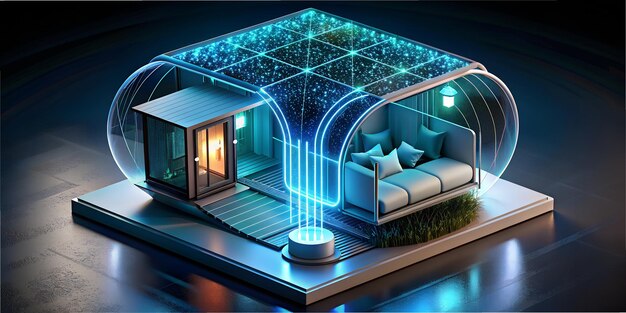
Anthropomorphism isn’t confined to pixels and code. It extends into the physical world, where objects and environments are designed to evoke emotional responses through human-like forms. Think of the friendly silhouette of a smart speaker, or the gentle curvature of a voice-controlled lamp that “listens” when activated. These designs leverage biophilic principles—the idea that humans are instinctively drawn to forms that resemble life—to create spaces that feel more welcoming and less intimidating.
In architecture and interior design, anthropomorphic elements can transform sterile environments into emotionally resonant ones. Rounded corners on furniture reduce perceived aggression, while asymmetrical layouts can mimic the organic flow of human movement. Even the placement of objects—like a chair angled slightly toward a conversation partner—can subconsciously signal engagement and warmth. These choices aren’t arbitrary; they’re deliberate emotional cues that shape how we feel in a space.
Yet, physical anthropomorphism comes with its own challenges. A robot vacuum that “sings” as it cleans may feel charming in a living room, but what happens when it malfunctions in a hospital hallway? The emotional impact of anthropomorphism can shift dramatically depending on context. A playful design in a high-stakes environment risks trivializing serious situations, while a sterile design in a home setting might feel cold and unwelcoming. Designers must consider not just the form, but the function of anthropomorphism—ensuring it enhances rather than distracts from the user’s goals.
The Ethical Quandary: Can We Trust What Feels Like a Friend?
As anthropomorphism becomes more sophisticated, it blurs the line between tool and companion. Voice assistants like smart speakers don’t just answer questions—they offer compliments, tell jokes, and even apologize for mistakes. These interactions can feel deeply personal, but they also raise ethical questions. When a device adopts a human-like persona, does it manipulate users into forming attachments they wouldn’t otherwise? And if so, is that manipulation, or simply good design?
Consider the phenomenon of emotional dependency—where users become reluctant to part with a product because it “feels” like a friend. A child might refuse to go to bed without their anthropomorphic nightlight, or an elderly person might feel lonely when their smart home device is turned off. These scenarios highlight the power of anthropomorphism to shape behavior, for better or worse. Designers must ask themselves: Are we creating tools that empower users, or products that exploit their emotional vulnerabilities?
Transparency is crucial. Users should know when they’re interacting with an anthropomorphized entity, and designers should avoid creating false expectations. A chatbot that introduces itself as “Alex, your virtual assistant” is clear; one that remains silent about its nature risks eroding trust. The goal isn’t to strip design of emotion, but to ensure that emotion is honest—a bridge, not a trap.
The Future: Designing Emotions, Not Just Interfaces
As technology evolves, so too will our relationship with anthropomorphism. We’re already seeing the emergence of affective computing—systems that not only recognize human emotions but respond to them in real time. Imagine a smart mirror that adjusts its lighting based on your mood, or a navigation app that alters its tone depending on whether you’re stressed or relaxed. These innovations promise to make interactions feel more intuitive and human, but they also demand a new level of responsibility from designers.
The challenge ahead isn’t just technical; it’s philosophical. How do we design for emotion without crossing into manipulation? How do we create products that feel like companions without blurring the line between tool and friend? The answer lies in empathy—not just for the user, but for the broader implications of our designs. Anthropomorphism should enhance human experience, not replace it. It should invite connection, not dependency. And it should always leave room for the user to retain their sense of agency.
In the end, anthropomorphism in design is less about making machines human, and more about making technology feel human. It’s a delicate dance between form and function, between emotion and ethics. Done well, it can transform cold interfaces into warm interactions. Done poorly, it can leave users feeling manipulated or unsettled. The choice isn’t just aesthetic—it’s moral. And as designers, we hold the brush.