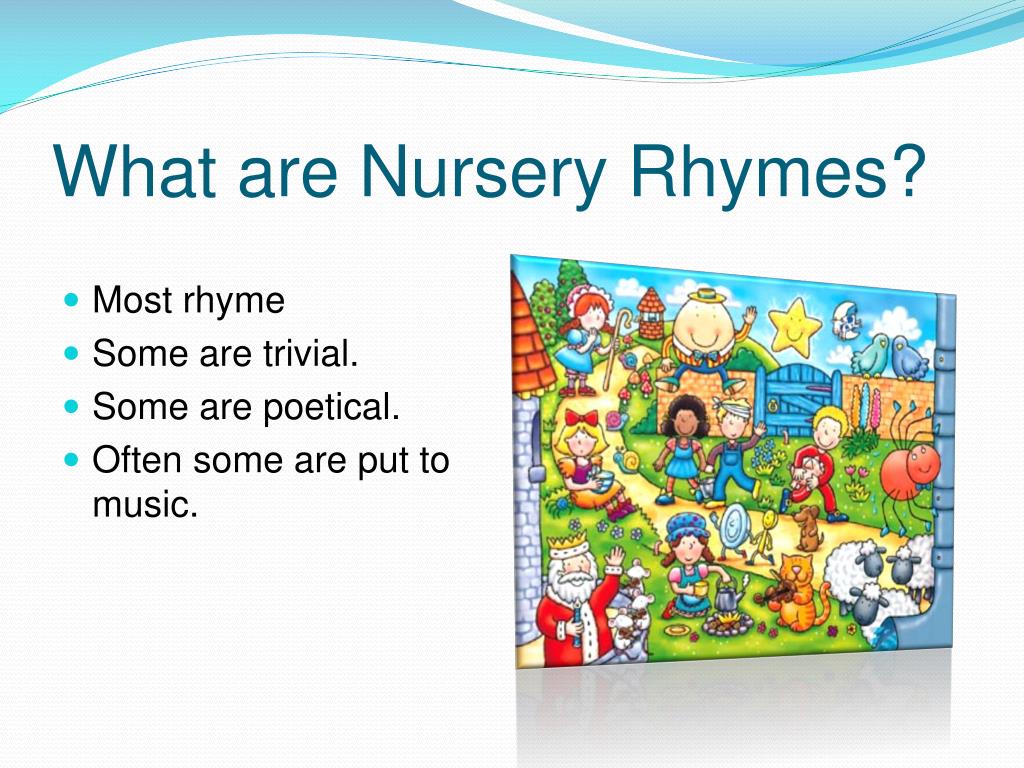
Nursery rhymes, those deceptively simple verses we recite to children, are far more than mere linguistic playthings. They are cultural artifacts, repositories of collective memory, and—perhaps most intriguingly—vehicles for anthropomorphism. The act of imbuing animals, objects, or abstract concepts with human traits is not just a literary device; it is a cognitive bridge that allows young minds to navigate the complexities of the world. But why do we find ourselves drawn to these personified figures? What deeper impulses do they satisfy, both in childhood and adulthood?
The Allure of the Personified: Why We Attribute Human Traits to the Non-Human
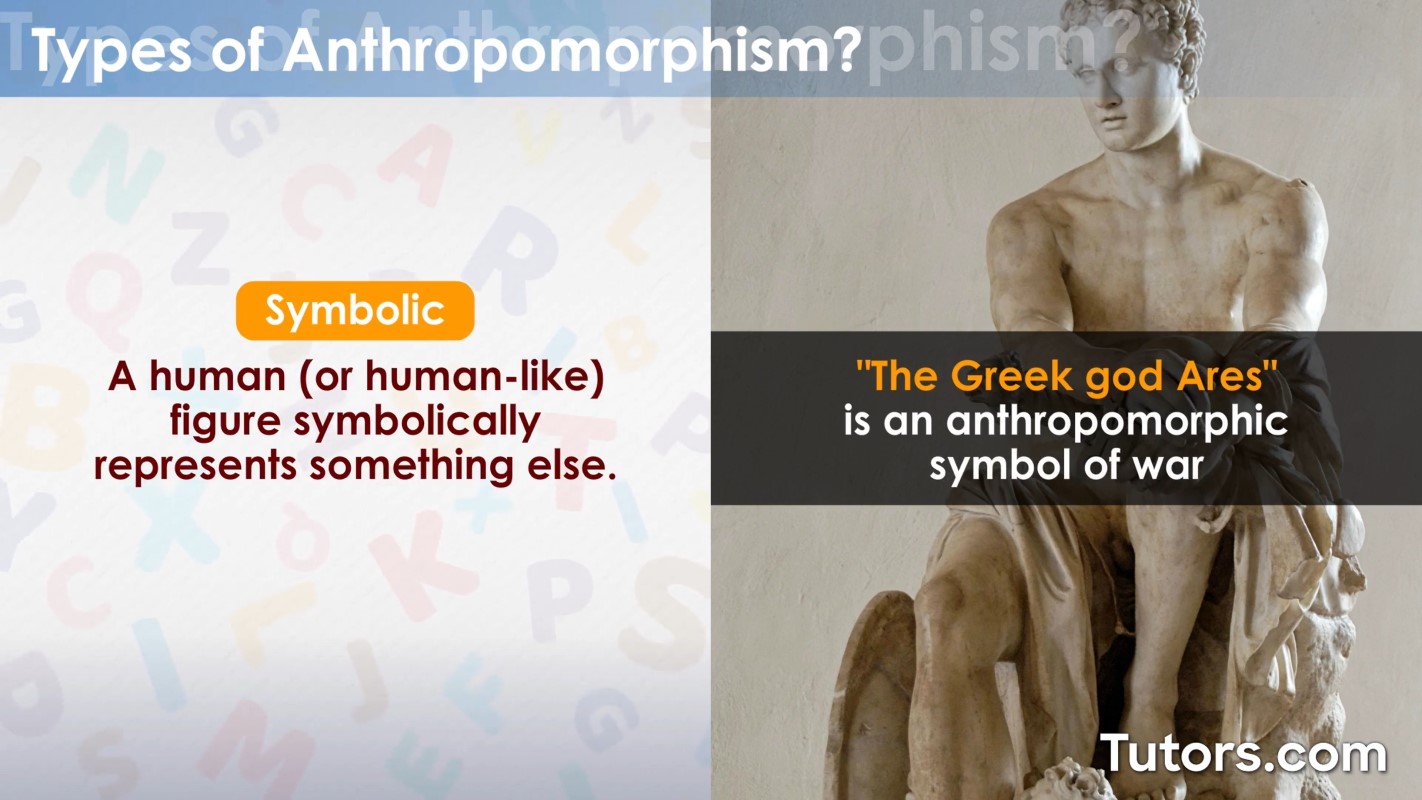
Anthropomorphism is not a modern invention. It is an ancient cognitive strategy, one that predates written language. From the totemic figures of indigenous cultures to the gods of ancient pantheons, humans have long sought to understand the non-human world by framing it in human terms. Nursery rhymes distill this impulse into bite-sized, melodic narratives. Consider “Hey Diddle Diddle,” where a cow leaps over the moon with the grace of a ballet dancer. The absurdity of the scene is precisely what makes it memorable—it forces the listener to reconcile the impossible with the familiar. The cow, in this context, is not just an animal; it is a performer, a trickster, a being with agency.
This tendency to humanize is not merely whimsical. Cognitive scientists suggest that anthropomorphism is a byproduct of our brain’s pattern-recognition machinery. When we encounter something unfamiliar, our minds instinctively seek parallels in the known. A talking teapot in “Beauty and the Beast” is not just a fantastical element; it is a way for a child to process the concept of inanimate objects possessing hidden qualities. The fascination with anthropomorphism, then, is not just about entertainment—it is about the mind’s relentless quest to make sense of the world.
Moral Lessons Disguised as Whimsy: The Pedagogical Power of Personified Characters
Nursery rhymes often cloak moral lessons in the guise of playful anthropomorphism. “The Three Little Pigs,” for instance, personifies the pigs as industrious builders, while the wolf embodies greed and impatience. The story’s simplicity belies its depth: it teaches resilience, foresight, and the consequences of poor planning. Yet, the brilliance lies in the fact that these lessons are not preached—they are dramatized through characters that children can relate to, even if those characters are animals or fantastical beings.
This technique is not confined to Western folklore. Across cultures, anthropomorphic figures serve as moral compasses. In Japanese folktales, the *tanuki* (raccoon dog) is a trickster who teaches lessons about humility and cleverness. In African oral traditions, the tortoise often outwits larger, stronger animals, reinforcing the value of intelligence over brute force. The universality of these themes suggests that anthropomorphism is a universal language of moral instruction, one that transcends linguistic and cultural barriers.
What makes this approach so effective is its subtlety. Children do not feel as though they are being lectured; instead, they are entertained by the antics of a fox or a bear. The moral lessons seep into their consciousness unobtrusively, shaping their understanding of right and wrong long before they can articulate such concepts. This is the quiet power of anthropomorphism in nursery rhymes: it turns abstract ideas into tangible, memorable experiences.
The Dark Undercurrents: Anthropomorphism as a Lens for Childhood Fears
Yet, the personified figures in nursery rhymes are not always benign. Some of the most enduring rhymes carry an undercurrent of unease, a shadow that lingers beneath the surface. “Ring Around the Rosie” is often dismissed as a simple children’s game, but its origins are steeped in the grim realities of the Black Death. The “rosie” (a posy) and the “ashes” (a reference to cremation) hint at a macabre history. The anthropomorphic elements here are not just playful—they are a coping mechanism, a way to confront and domesticate fear.
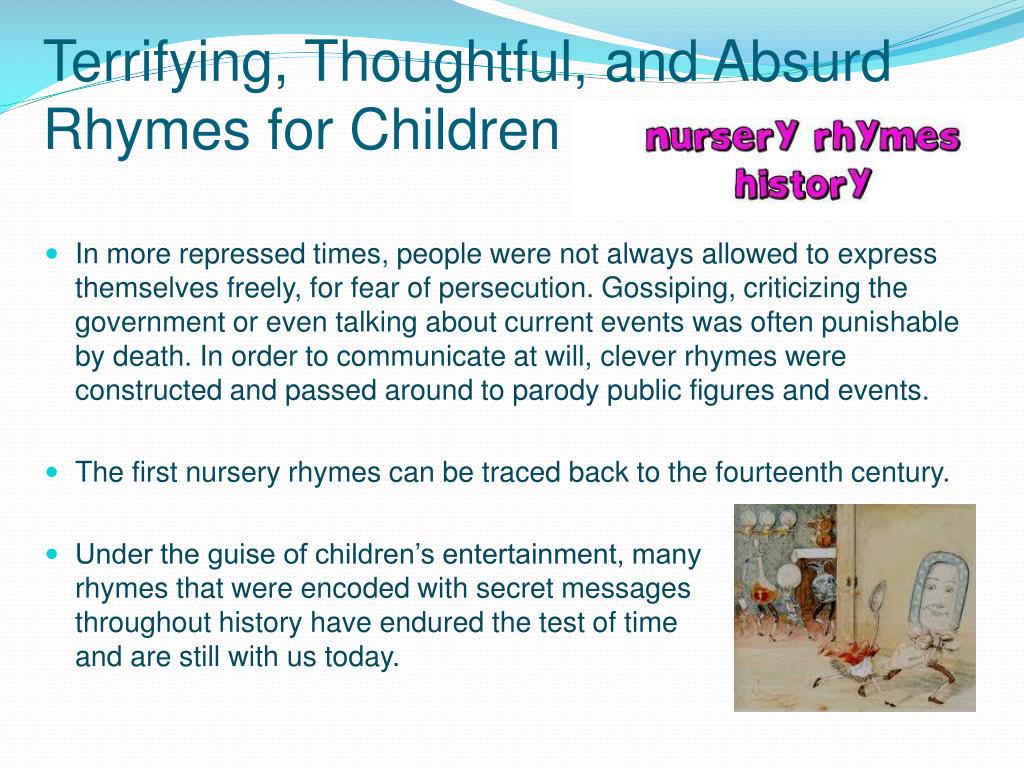
Similarly, “Humpty Dumpty” is more than a cautionary tale about fragility. The rhyme’s origins may lie in the fall of a real-life cannon during the English Civil War, but its enduring appeal lies in its personification of vulnerability. Humpty is not just an egg; he is a symbol of human fragility, a reminder that even the most stable-seeming things can shatter. The anthropomorphic twist—giving an inanimate object a name and a narrative—allows children to engage with these fears in a controlled, almost ritualistic way.
This duality—whimsy and dread—is what makes anthropomorphism so compelling. It is not merely a tool for teaching; it is a mechanism for processing the darker aspects of existence. By personifying fear, loss, or chaos, nursery rhymes transform the incomprehensible into something manageable, something that can be faced and, ultimately, understood.
Cultural Echoes: How Anthropomorphism Reflects Societal Values
Nursery rhymes are not created in a vacuum. They evolve alongside the societies that produce them, reflecting the values, fears, and aspirations of their time. In Victorian England, for instance, the personification of animals in rhymes like “The Owl and the Pussycat” mirrored the era’s fascination with nature and the exotic. The owl and the pussycat’s whimsical journey to the “land where the Bong-tree grows” is not just a tale of love; it is a commentary on the Romantic idealization of the natural world.
In contrast, American nursery rhymes from the same period often featured more rugged, self-reliant characters. “Yankee Doodle” personifies the American spirit as a bumbling but ultimately resourceful figure, poking fun at colonial arrogance while celebrating ingenuity. The anthropomorphic elements here serve a dual purpose: they entertain, but they also reinforce national identity and cultural values.
This cultural specificity underscores a broader truth: anthropomorphism in nursery rhymes is not a universal constant but a mirror. It reflects the preoccupations of the society that created it, whether those be the moral lessons of the 18th century, the industrial anxieties of the 19th, or the existential questions of the modern age. By studying these personified figures, we gain insight not just into the minds of children, but into the collective psyche of the cultures that produced them.
The Psychological Appeal: Why Adults Still Find Comfort in Childhood Anthropomorphism
It is easy to dismiss nursery rhymes as mere children’s fare, but their appeal does not vanish with adulthood. In fact, anthropomorphism remains a potent force in literature, film, and even technology. From Disney’s talking animals to the AI assistants that greet us with human-like voices, the impulse to humanize the non-human persists. Why? Because it satisfies a fundamental human need: the desire for connection.
For adults, anthropomorphism in nursery rhymes can evoke nostalgia, a longing for the simplicity of childhood. But it also serves a more profound purpose. In a world that often feels alienating and mechanized, the personification of animals, objects, or even abstract concepts offers a sense of companionship. A teapot that pours itself may be a fantasy, but it is also a reminder that the world is not entirely devoid of magic or agency.
Moreover, anthropomorphism allows adults to revisit and reinterpret the lessons of their childhood. A rhyme like “This Little Piggy” is not just a toe-tickling game; it is a meditation on growth, from infancy to old age. The piggies, in their anthropomorphic journey, become symbols of the human lifecycle, inviting reflection on the passage of time. This layer of meaning is what elevates nursery rhymes from simple entertainment to enduring art.
The Future of Anthropomorphism: Digital Companions and Beyond
As technology advances, so too does the landscape of anthropomorphism. Virtual assistants like Siri and Alexa are designed to mimic human speech and emotions, blurring the line between tool and companion. This digital anthropomorphism is not so different from the personified figures of nursery rhymes. Both serve as bridges between the human and the non-human, offering a sense of interaction and understanding in an increasingly complex world.
Yet, this evolution raises questions. If anthropomorphism is a cognitive shortcut, a way to make the unfamiliar familiar, what happens when the unfamiliar becomes all too familiar? Will digital companions satisfy the same psychological needs as the talking animals of our childhood? Or will they merely highlight the loneliness of a world where even our tools are designed to mimic humanity?
The answer may lie in the enduring appeal of nursery rhymes themselves. For centuries, they have served as a reminder that the world is not just a collection of objects and forces—it is a stage for stories, for characters, for meaning. Whether those characters are pigs building houses or teapots serving tea, their anthropomorphic nature ensures that they remain, in some form, eternally human.