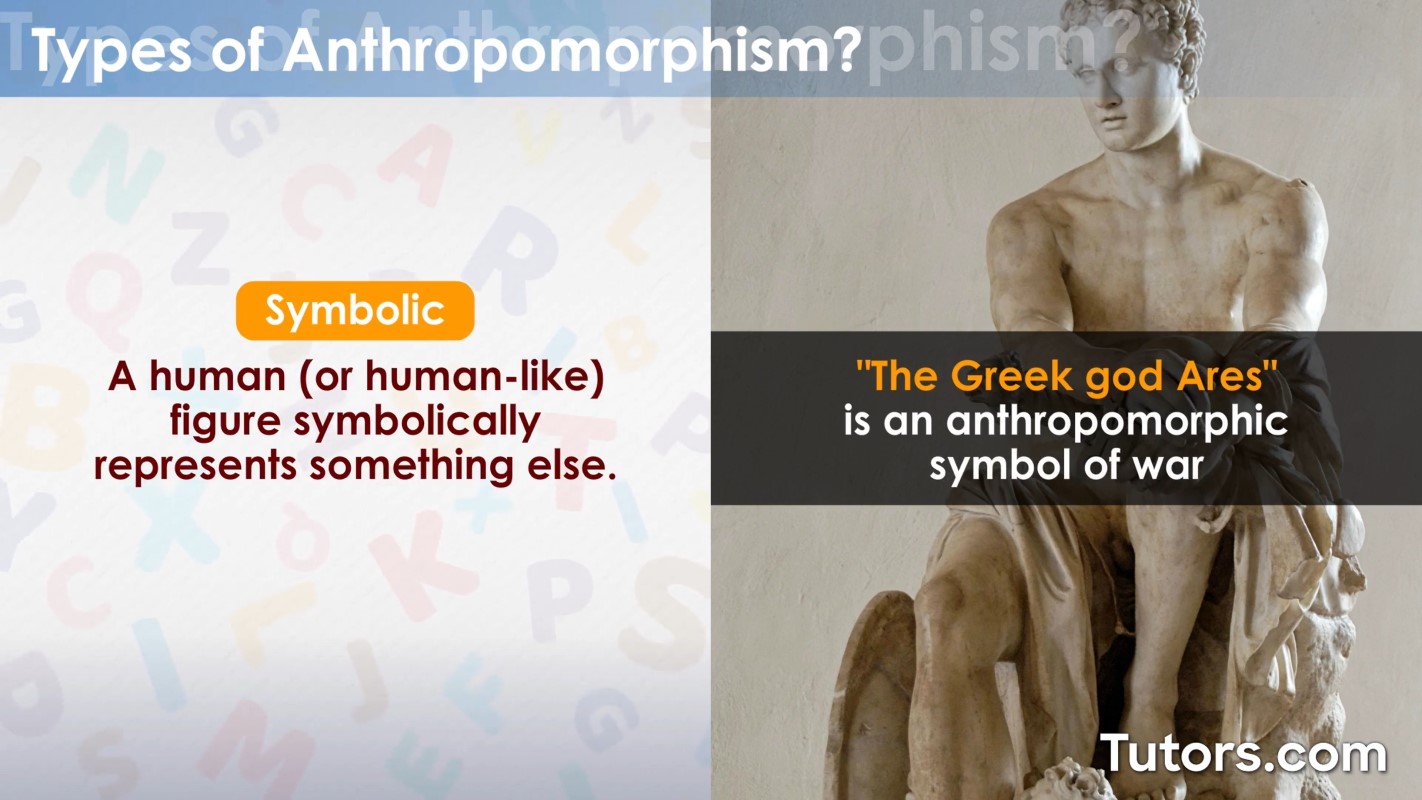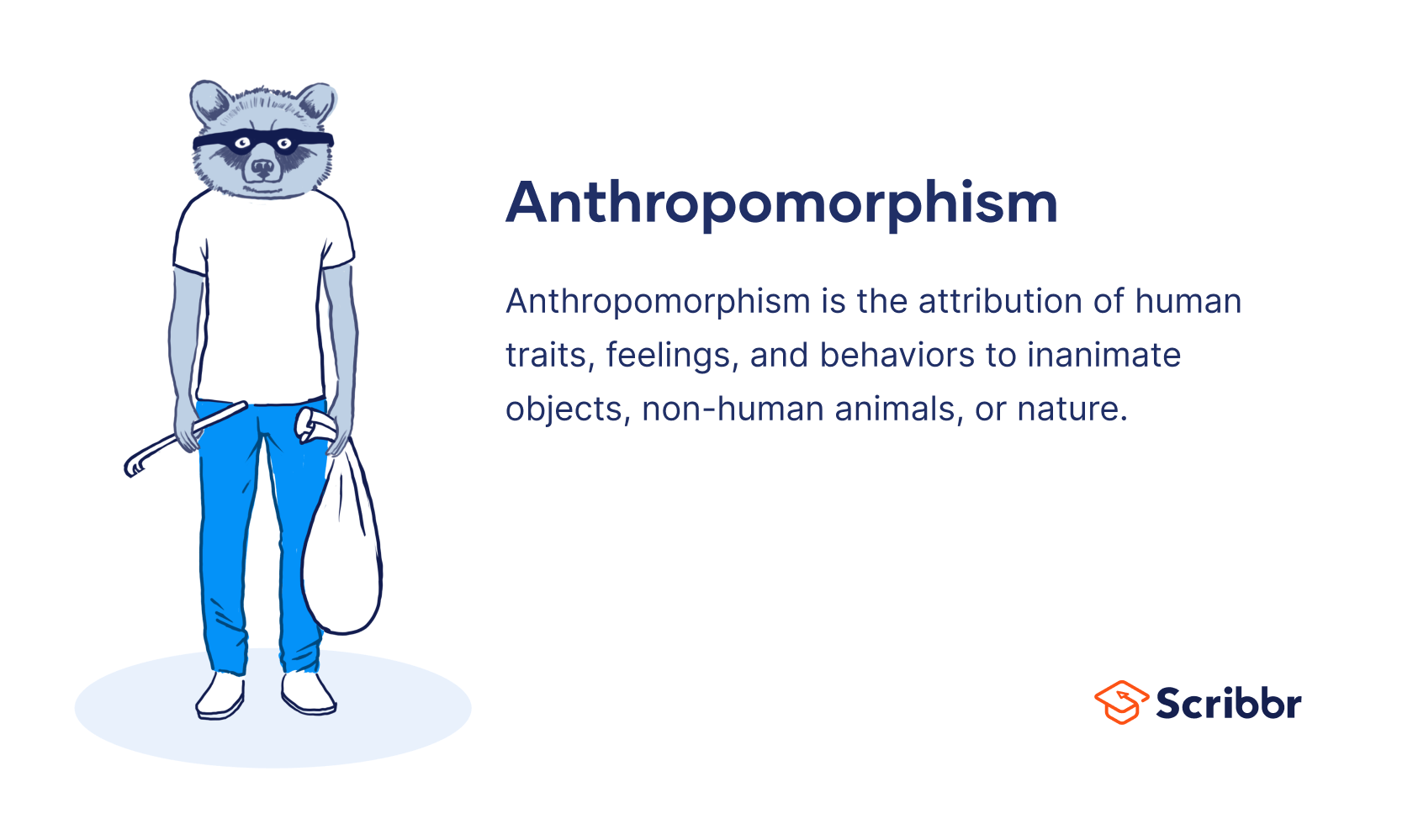
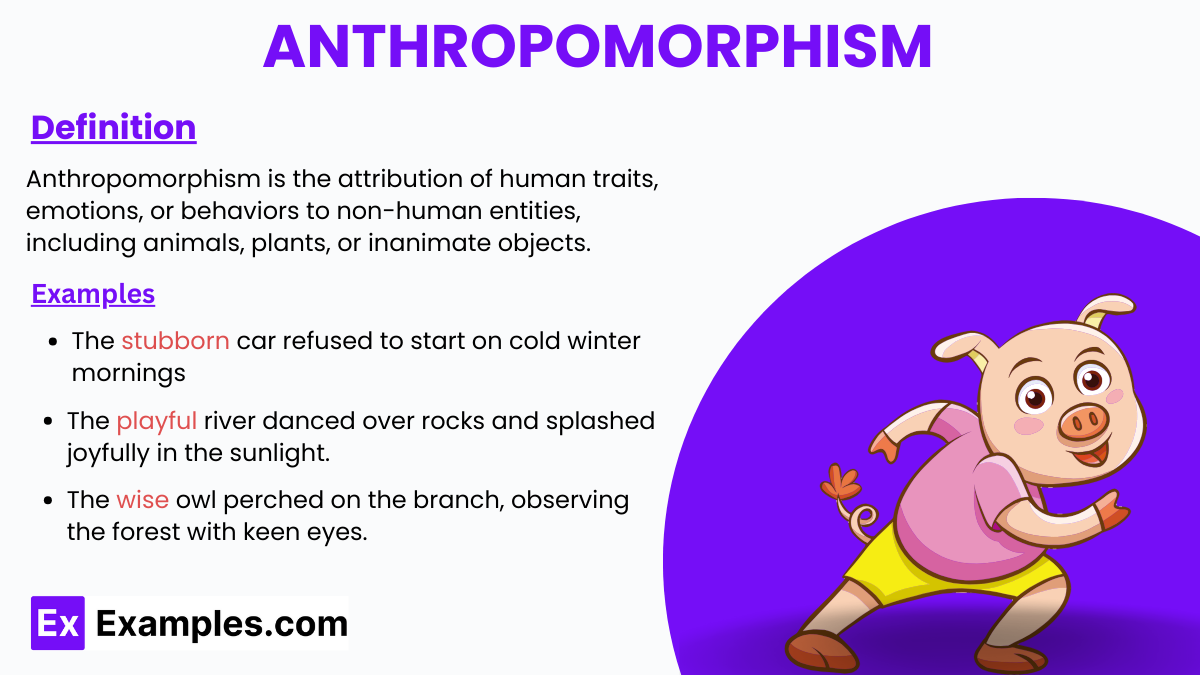
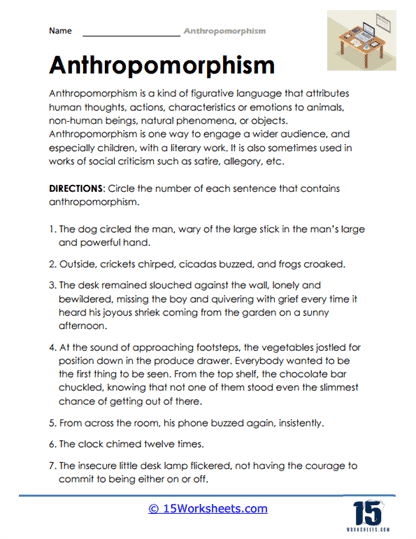
In the ever-evolving landscape of digital content, where attention spans are fleeting and competition for engagement is fierce, bloggers are constantly seeking innovative ways to captivate their audience. One such strategy that has gained traction is anthropomorphism—the attribution of human traits, emotions, or intentions to non-human entities. From animated mascots to personified brands, anthropomorphism infuses life into inanimate objects, making them relatable and engaging. But does this literary device truly enhance engagement in blogging? The answer lies in understanding its multifaceted applications and the psychological underpinnings that drive reader interaction.
The Psychological Allure of Anthropomorphism in Content
Humans are wired to connect with narratives that resonate on a personal level. Anthropomorphism taps into this innate tendency by transforming abstract concepts or objects into characters with whom readers can empathize. When a blog post describes a “lonely spreadsheet” or a “determined coffee machine,” it doesn’t just convey information—it evokes emotion. This emotional resonance fosters a deeper connection between the reader and the content, making the message more memorable. Studies in cognitive psychology suggest that anthropomorphic content triggers mirror neurons in the brain, which simulate the experiences described, thereby enhancing comprehension and retention. For bloggers, this means that a well-placed anthropomorphic element can transform a mundane topic into a compelling story.

Types of Anthropomorphic Content That Boost Engagement
Not all anthropomorphism is created equal. The effectiveness of this technique depends on how it’s implemented. Below are several types of anthropomorphic content that bloggers can leverage to elevate their engagement metrics:
1. Personified Brands and Products
Imagine a blog post where a vacuum cleaner narrates its struggles against dust bunnies or a smartphone debates its battery life with its user. Personifying brands or products humanizes them, making them more relatable. This approach is particularly effective in niches like technology, where products can feel impersonal. By giving these entities voices, emotions, and even flaws, bloggers can create a sense of camaraderie between the reader and the product, subtly encouraging trust and loyalty.
2. Animated Mascots and Avatars
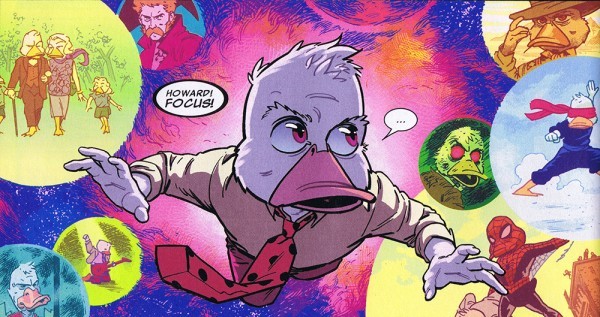
Mascots are the quintessential embodiment of anthropomorphism in blogging. Whether it’s a whimsical cartoon character guiding readers through a tutorial or a quirky avatar representing a brand’s personality, these visual elements serve as a bridge between the abstract and the tangible. A well-designed mascot can become a recognizable symbol of the blog, fostering brand identity and recall. For instance, a financial blog might use a wise old owl mascot to simplify complex topics, while a fitness blog could employ a determined dumbbell character to motivate readers.
3. Narrative-Driven Case Studies
Case studies often suffer from dry, data-heavy presentations that fail to inspire action. Anthropomorphism can revitalize these posts by framing the subject as a protagonist overcoming challenges. Instead of stating, “Company X increased sales by 30%,” a blogger might write, “Company X, once a struggling startup, rolled up its sleeves and outmaneuvered its competitors.” This narrative approach not only makes the content more engaging but also aligns with the universal appeal of underdog stories. Readers are more likely to remember and share a story than a list of statistics.
4. Interactive and Gamified Content
Anthropomorphism thrives in interactive formats, where readers can engage with personified elements in real time. Quizzes that ask, “Which social media platform is your personality?” or calculators that personify a “budget guardian” critiquing spending habits transform passive readers into active participants. Gamification elements, such as progress bars that resemble a “journey” or badges awarded by a “wise mentor,” leverage anthropomorphism to create a sense of achievement and progression. These techniques not only boost engagement but also extend the time readers spend on a page.
5. Metaphorical Storytelling
Metaphors are a subtle form of anthropomorphism that can enrich blog posts without overtly personifying objects. For example, describing a “stormy market” as a “tempestuous sea” or a “stubborn algorithm” as a “recalcitrant gatekeeper” adds vivid imagery and emotional depth. This technique is especially powerful in opinion pieces or thought leadership content, where abstract ideas need to be grounded in relatable scenarios. By painting a picture, bloggers can guide readers through complex topics with ease.
Measuring the Impact: Engagement Metrics to Watch
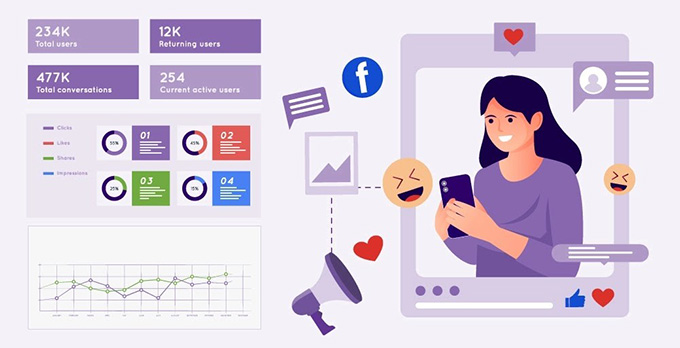
While the benefits of anthropomorphism in blogging are compelling, quantifying its impact requires a closer look at engagement metrics. Bloggers should track several key indicators to determine whether their anthropomorphic content is resonating with their audience:
1. Time on Page
Anthropomorphic content often compels readers to linger longer, as they become invested in the narrative or character. A higher average time on page suggests that the content is holding attention and delivering value beyond mere information. For example, a blog post about “The Life of a Wi-Fi Signal” might keep readers engaged for minutes longer than a standard technical explanation.
2. Bounce Rate
A lower bounce rate indicates that readers are exploring multiple pages or sections of a blog. Anthropomorphism can reduce bounce rates by making the initial content more intriguing, encouraging readers to delve deeper into related posts or calls-to-action. For instance, a reader who starts with a post about “How My Coffee Maker Saved My Morning” might be enticed to explore other lifestyle or productivity content on the site.
3. Social Shares and Comments
Content that evokes emotion or curiosity is more likely to be shared across social platforms or spark discussions in the comments section. Anthropomorphic posts often contain quotable phrases or relatable scenarios that readers feel compelled to discuss. A post titled “When Your Alarm Clock Betrays You” might spark a flood of comments from readers sharing their own “alarm clock horror stories.”
4. Conversion Rates
Ultimately, engagement should translate into action. Whether it’s signing up for a newsletter, downloading a resource, or making a purchase, anthropomorphic content can guide readers toward conversion by creating a sense of connection or urgency. For example, a blog about home organization might use a personified “clutter monster” to motivate readers to declutter, leading to higher sign-ups for a cleaning service.
Potential Pitfalls and How to Avoid Them
Despite its advantages, anthropomorphism is not a one-size-fits-all solution. Overuse or misapplication can lead to unintended consequences, such as:
1. Loss of Credibility
In fields that prioritize objectivity—such as finance, law, or science—excessive anthropomorphism can undermine the seriousness of the content. Readers may perceive the blog as frivolous or untrustworthy if the tone doesn’t align with the subject matter. To avoid this, bloggers should strike a balance between creativity and professionalism, using anthropomorphism sparingly in factual content.
2. Overcomplication
While anthropomorphism simplifies complex ideas, it can also confuse readers if the personification is too abstract or convoluted. For example, describing a “quantum particle” as a “shy teenager avoiding commitment” might resonate with some readers but leave others scratching their heads. Clarity should always take precedence over cleverness.
3. Audience Mismatch
Not all audiences appreciate anthropomorphism. Younger readers or those in highly technical fields may find it distracting or gimmicky. Bloggers should tailor their approach to their target demographic, using anthropomorphism where it feels natural and avoiding it where it might alienate readers.
Best Practices for Implementing Anthropomorphism in Blogging
To harness the power of anthropomorphism effectively, bloggers should follow these best practices:
1. Know Your Audience
Understand the preferences, values, and humor of your readers. A playful tone might work for a lifestyle blog but fall flat in a corporate setting. Conduct audience research or analyze engagement data to determine what resonates.
2. Keep It Relevant
The anthropomorphic element should serve a purpose—whether it’s simplifying a concept, adding humor, or creating emotional connection. Avoid using it gratuitously; every personified character or object should enhance the reader’s experience.
3. Maintain Consistency
If your blog features a recurring mascot or character, ensure their personality and voice remain consistent. This builds familiarity and trust, making the anthropomorphic element a recognizable part of your brand identity.
4. Test and Iterate
Not every anthropomorphic experiment will succeed. Use A/B testing to compare different approaches and gather feedback from your audience. Pay attention to engagement metrics and reader comments to refine your strategy over time.
Conclusion: The Human Touch in a Digital World
Anthropomorphism is more than a literary device—it’s a bridge between the digital and the human. In a world where content is abundant but attention is scarce, giving life to inanimate objects or abstract ideas can make a blog stand out. Whether through personified brands, narrative-driven case studies, or interactive gamification, anthropomorphism taps into the fundamental human desire for connection and storytelling. When used thoughtfully, it doesn’t just increase engagement; it transforms passive readers into active participants in a shared narrative. For bloggers willing to experiment, the rewards can be substantial—higher engagement, deeper loyalty, and a content strategy that truly resonates.