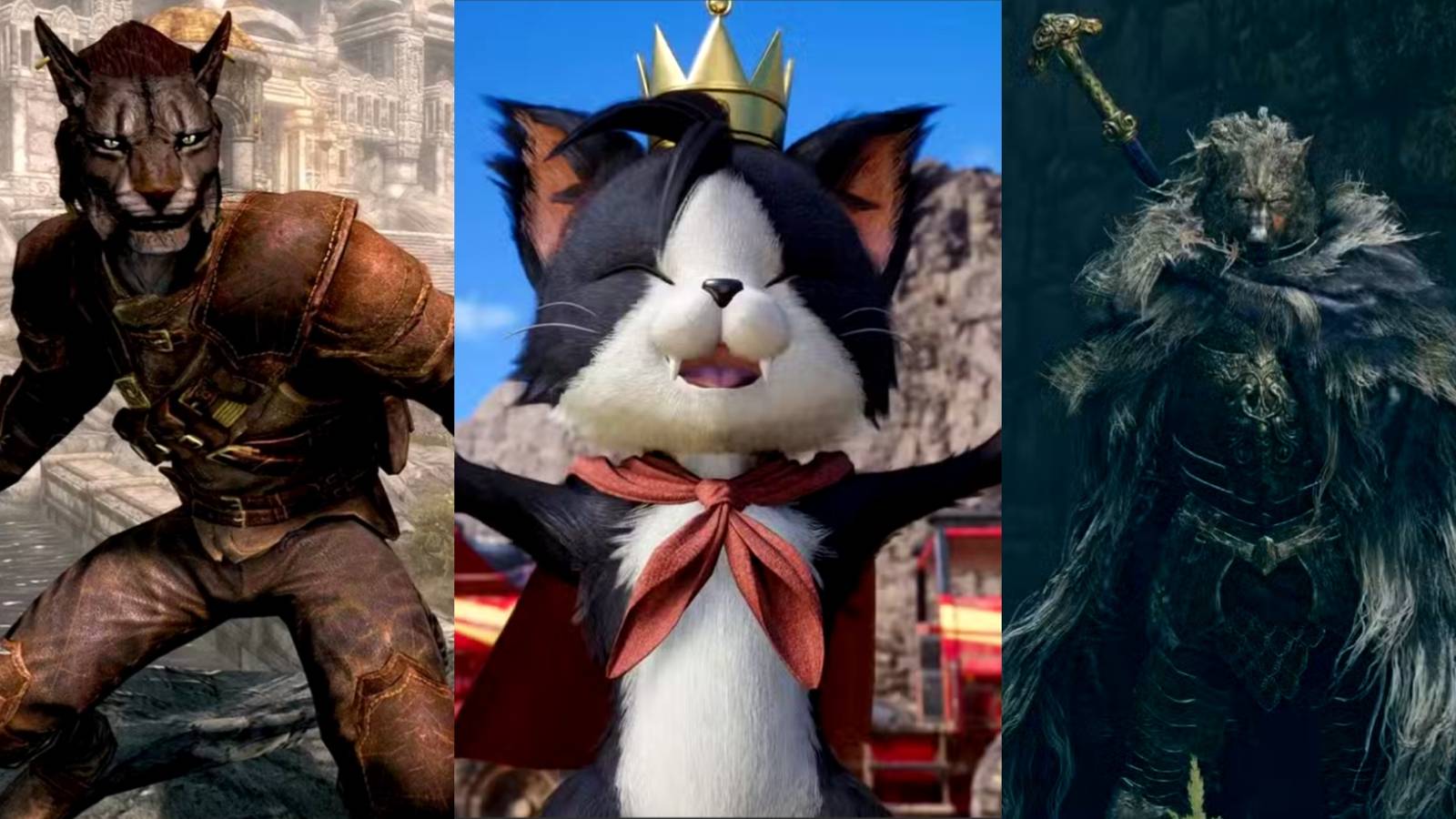
In the vast, pixelated tapestry of video game history, few threads are as vibrant—or as enduring—as the ones woven by anthropomorphic characters. These beings, straddling the line between human and animal, myth and machine, have long captivated players with their uncanny ability to evoke empathy, humor, and even existential dread. They are the chimeras of interactive storytelling, embodying the best (and sometimes the worst) of both worlds. From the noble knights of medieval forests to the cybernetic outcasts of neon-lit dystopias, anthropomorphic characters offer a mirror to our own humanity, distorted yet familiar. This exploration isn’t just a celebration of their existence; it’s an invitation to see the world—and ourselves—through their eyes, where every bark, chirp, or roar carries the weight of a thousand untold stories.
The Mythic Roots: When Legends Wore Fur and Feathers
Long before video games etched their pixels into the cultural consciousness, anthropomorphic figures slithered, soared, and stalked through the annals of myth. The ancient Egyptians revered Anubis, the jackal-headed guardian of the dead, while the Greeks spun tales of centaurs and satyrs, half-beast hybrids who embodied the untamed wildness of nature. These archetypes weren’t mere whimsy; they were allegories, teaching lessons about morality, power, and the duality of human nature. Fast-forward to the digital age, and these same archetypes found new life in pixels and polygons. Games like The Legend of Zelda’s Epona or Okami’s Amaterasu didn’t just borrow from myth—they reimagined it, blending ancient symbolism with interactive storytelling. The result? Characters who feel both timeless and urgently modern, their animal traits serving as metaphors for the struggles we face today—loyalty, betrayal, the search for identity.
From Pixels to Personas: The Evolution of Design
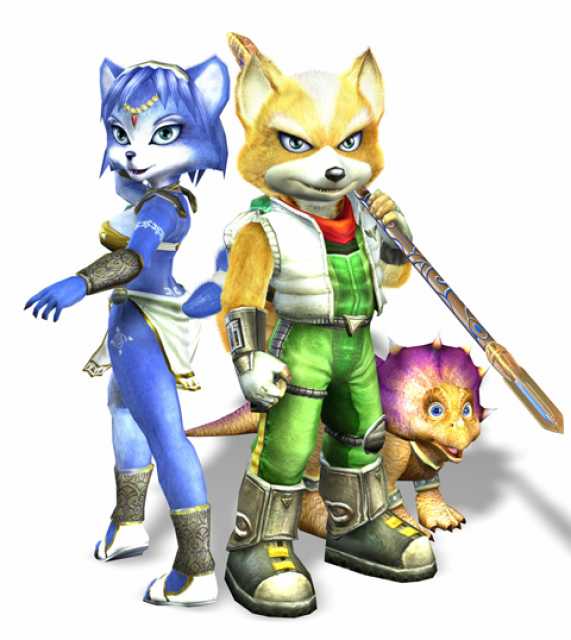
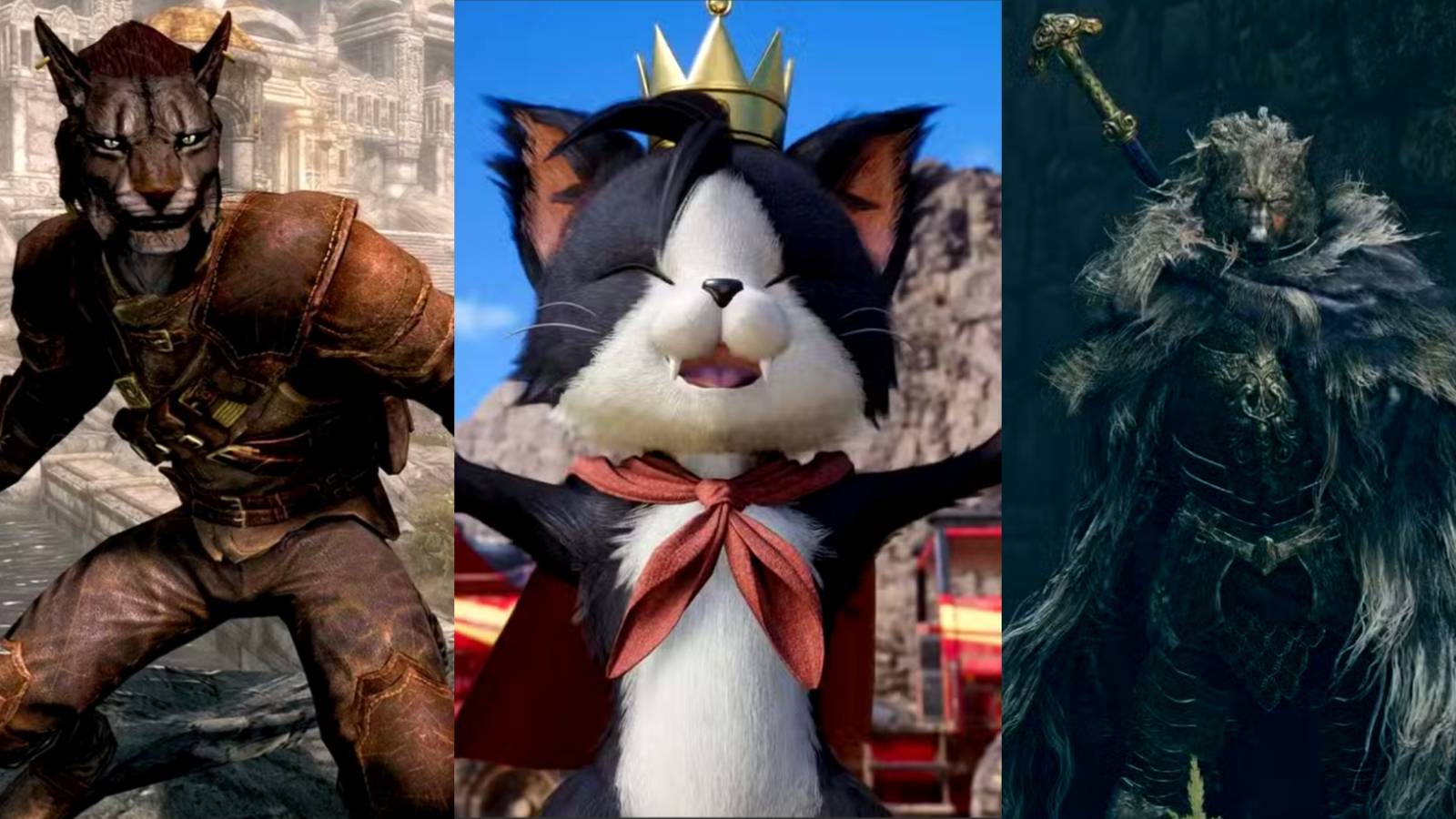
Designing an anthropomorphic character is a delicate alchemy of art and psychology. Too much human, and they lose their mystique; too much animal, and they risk becoming caricatures. The early days of gaming favored simplicity: think of Sonic the Hedgehog’s spiky blue silhouette or Crash Bandicoot’s wumpa-fueled antics. These characters were vessels for speed and spectacle, their animal traits distilled into pure, unadulterated fun. But as technology advanced, so did the depth of their designs. Titles like Red Dead Redemption 2’s Arthur Morgan and Ghost of Tsushima’s Jin Sakai blurred the lines further, crafting protagonists who were as much wolf as they were man—literally and figuratively. Their fur wasn’t just a texture; it was a narrative device, a visual shorthand for their internal conflicts. Today, games like Stray and Tunic push the envelope even further, using anthropomorphism to explore themes of isolation, curiosity, and the uncanny valley in reverse. The evolution isn’t just technical; it’s philosophical.
The Villains Who Haunt Our Dreams (and Our Save Files)
Not all anthropomorphic characters are heroes. Some are nightmares given form, their animalistic traits twisted into instruments of terror. Take Resident Evil’s Mr. X, a hulking, relentless force of destruction whose very presence redefines the word “predator.” Or Bloodborne’s Amygdala, a grotesque fusion of human and cephalopod that embodies the horrors of the unknown. These characters thrive on the uncanny, their designs playing on our primal fears of the unfamiliar. Yet even in their monstrosity, they reveal something unsettling about us: our fascination with the grotesque, our need to confront the darkness lurking in the corners of our minds. They are the id unchained, the shadow self given life, and their power lies in their ability to make us question what it truly means to be human—or what it means to *not* be.
Cybernetic Souls: When Technology Meets the Wild
The fusion of machine and beast is a relatively modern phenomenon, but it’s one that’s reshaping the landscape of anthropomorphic storytelling. Games like Cyberpunk 2077’s Judy Alvarez and Deus Ex’s Adam Jensen present characters who are as much robot as they are animal, their cybernetic enhancements amplifying their primal instincts. These characters force us to confront the blurred boundaries between nature and technology, asking whether a being with a mechanical heart can still feel, or if a mind wired into a digital network can retain its soul. The answers are as varied as the games themselves, but the questions linger, haunting players long after the credits roll. In this digital age, where AI and bioengineering blur the lines of what it means to be alive, these characters feel less like fiction and more like prophecies.
The Unsung Heroes: Sidekicks, Mentors, and the Quiet Giants
Behind every great protagonist stands a legion of supporting characters, often overlooked yet vital to the narrative’s heartbeat. Take Mass Effect’s Mordin Solus, a salarian scientist whose blend of intellect and alien quirks makes him unforgettable. Or Final Fantasy’s Yuffie Kisaragi, a ninja whose tiny stature belies her larger-than-life personality. These characters prove that anthropomorphism isn’t just about spectacle; it’s about depth. They challenge our assumptions, forcing us to see the world through eyes that are fundamentally *other*. Their stories are often quieter, but no less profound, offering glimpses into cultures, philosophies, and emotions that might otherwise remain alien to us. In a medium often dominated by human (or humanoid) protagonists, these characters remind us that the most compelling narratives are those that dare to be different.
The Future: Where Do We Go From Here?
The next frontier for anthropomorphic characters lies not just in their design, but in their *agency*. Games like Animal Crossing and The Sims have already shown us the power of player-driven storytelling, where the line between player and character blurs into something entirely new. Imagine a game where you play as a sentient AI housed in the body of a fox, navigating a world where humans are the minority. Or a narrative where the protagonist’s animal traits evolve based on the player’s choices, their fur growing thicker in colder climates, their instincts sharpening in times of danger. The possibilities are as limitless as our imagination, and the only constant is change. As technology advances, so too will the ways we tell stories—and the beings we choose to tell them through.
The best anthropomorphic characters have always been more than just animals in human clothing. They are mirrors, windows, and doors—reflecting our fears, inviting us into their worlds, and challenging us to see ourselves in new ways. Whether they’re battling dragons, hacking mainframes, or simply trying to survive another day in a hostile world, they remind us that humanity isn’t defined by biology, but by the stories we choose to live—and the ones we choose to tell.