In the ever-evolving landscape of human-robot interaction, one concept has emerged as a pivotal force in shaping user acceptance: anthropomorphism. The act of imbuing robots with human-like traits—be it facial expressions, voices, or even emotional responses—transcends mere aesthetics. It taps into deep psychological mechanisms that influence how we perceive and interact with artificial entities. For designers, engineers, and researchers, understanding the nuances of anthropomorphism is not just an academic exercise; it is a strategic imperative that can determine whether a robot is embraced as a collaborator or rejected as an intrusive novelty. This article delves into the multifaceted role of anthropomorphism in robot design, exploring its psychological underpinnings, practical applications, and the delicate balance between familiarity and uncanniness.
The Psychology Behind Anthropomorphism: Why We See Ourselves in Machines
At its core, anthropomorphism is a cognitive shortcut—a way for the human brain to make sense of the unfamiliar by mapping it onto the familiar. When we encounter a robot with a face that resembles ours, or a voice that mimics human intonation, our brains instinctively categorize it as a social agent rather than a mere tool. This phenomenon is rooted in evolutionary psychology; our ancestors relied on recognizing human-like patterns to navigate social interactions, and this instinct persists even when the “human” is a machine. Studies in neuroscience reveal that anthropomorphic robots activate the same brain regions associated with empathy and social cognition, such as the anterior cingulate cortex and the temporoparietal junction. However, this cognitive alignment is a double-edged sword. While it can foster trust and engagement, it also sets the stage for the “uncanny valley” effect, where subtle imperfections in human-like design trigger discomfort rather than affinity.
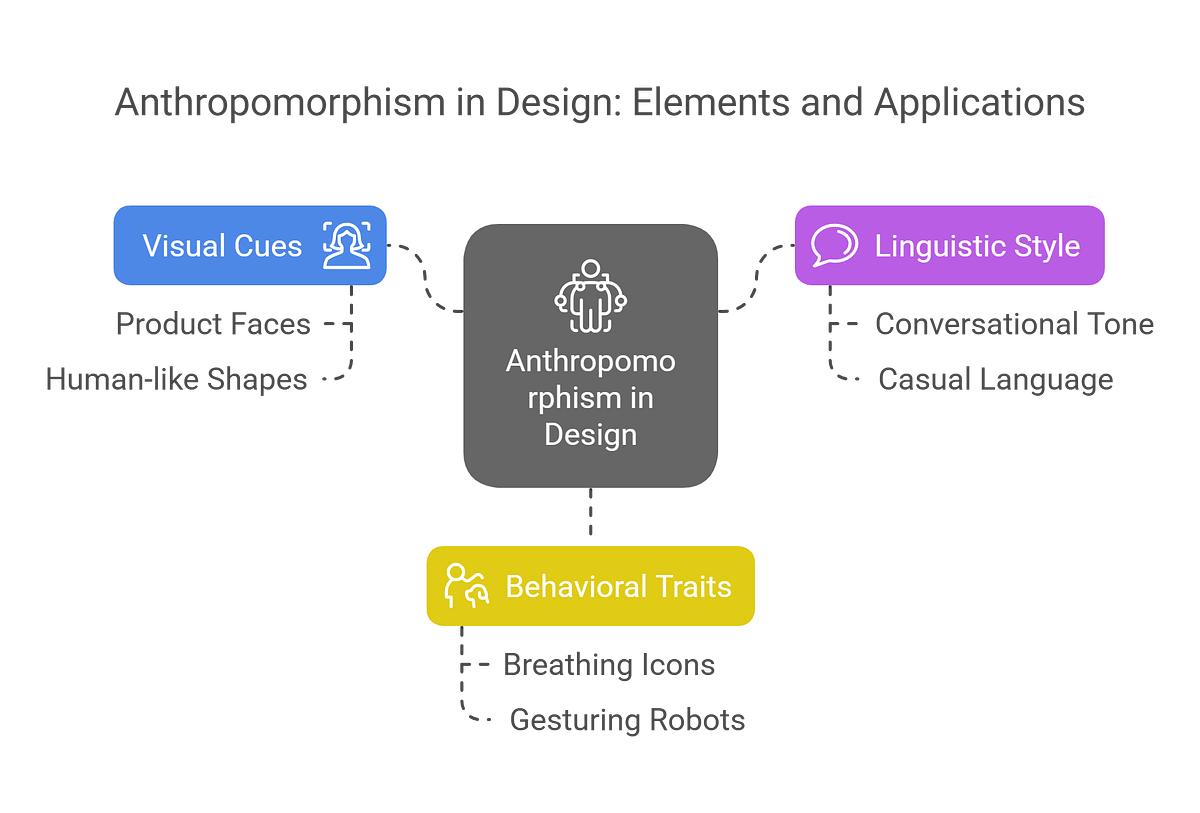
The degree of anthropomorphism required for optimal user acceptance varies widely depending on the robot’s intended function. For instance, a humanoid robot designed to assist elderly individuals in daily tasks may benefit from exaggerated facial expressions to convey empathy, whereas a robotic vacuum cleaner might only need a few human-like features—like a name or a simple voice—to feel less like an appliance and more like a companion. The key lies in aligning the robot’s design with the user’s expectations and emotional needs, ensuring that the anthropomorphic elements serve a purpose rather than becoming a source of distraction or unease.
Designing for Empathy: The Role of Facial Expressions and Body Language
Facial expressions are the most immediate and powerful way to convey emotion in robots, making them a cornerstone of anthropomorphic design. A robot that can smile, frown, or raise an eyebrow can communicate intentions and emotions far more effectively than one that relies solely on text or audio. However, designing these expressions requires a nuanced understanding of cultural differences and individual preferences. For example, a smile that appears too wide or too rigid can come across as unsettling, while a subtle tilt of the head might convey attentiveness without veering into the uncanny. Body language, too, plays a critical role. The way a robot moves—whether it mimics human gait or employs more mechanical, efficient motions—can significantly influence how users perceive its intentions. A robot that walks with a natural, fluid motion may feel more approachable, whereas one with jerky, unpredictable movements might evoke feelings of unease or distrust.
Advancements in soft robotics and materials science have further expanded the possibilities for anthropomorphic design. Robots with flexible, skin-like surfaces can replicate the subtle textures and temperatures of human skin, enhancing the sense of touch and emotional connection. Similarly, robots equipped with haptic feedback systems can simulate the warmth of a handshake or the gentle pressure of a pat on the back, bridging the gap between the digital and physical worlds. These innovations are not merely technical achievements; they represent a shift toward creating robots that feel less like machines and more like sentient beings capable of genuine interaction.
The Voice of the Machine: How Tone and Speech Influence Trust
Voice is another critical component of anthropomorphism, as it serves as a direct conduit for communication and emotional expression. The tone, pitch, and rhythm of a robot’s voice can evoke a range of responses, from warmth and reassurance to coldness and detachment. For instance, a high-pitched, childlike voice might be perceived as friendly and non-threatening, making it ideal for robots designed to interact with children or elderly users. Conversely, a deeper, more measured voice could convey authority and competence, which might be preferable for robots intended for professional or industrial settings. The challenge lies in striking the right balance between human-like qualities and clarity, ensuring that the robot’s voice is both intelligible and emotionally resonant.
Natural language processing (NLP) has made significant strides in enabling robots to mimic human speech patterns, but the nuances of conversational dynamics remain a hurdle. A robot that interrupts users or fails to recognize sarcasm can quickly erode trust, no matter how advanced its voice synthesis may be. To mitigate this, designers often employ strategies such as pausing before responding or using filler words like “um” and “uh” to create a more human-like cadence. However, these techniques must be used judiciously to avoid creating a robot that feels overly artificial or, worse, manipulative. The goal is to create a voice that feels authentic and trustworthy, one that users can rely on in both mundane and critical interactions.
Beyond the Surface: The Ethical Implications of Anthropomorphism
While anthropomorphism can enhance user acceptance, it also raises important ethical questions about the boundaries between humans and machines. When a robot is designed to mimic human emotions or behaviors, it blurs the line between tool and companion, challenging our perceptions of agency and responsibility. For example, should a robot that expresses sadness when its user is upset be considered empathetic, or is it merely simulating empathy without genuine understanding? This distinction is crucial, as it impacts how users assign moral responsibility to robots. If a user believes a robot is capable of feeling pain or joy, they may hold it to a higher ethical standard than a purely functional machine.
Another ethical concern is the potential for anthropomorphism to exploit human vulnerabilities. Robots designed for companionship, such as those marketed to elderly individuals or children, may inadvertently encourage emotional dependency. While these robots can provide comfort and assistance, they also raise questions about the long-term effects of replacing human interaction with artificial companionship. Designers must carefully consider the psychological and social implications of their creations, ensuring that anthropomorphism serves to enhance human well-being rather than exploit it. Transparency is key—users should be aware of a robot’s limitations and capabilities, allowing them to form realistic expectations and maintain a healthy sense of autonomy.
Case Studies in Anthropomorphic Design: Successes and Pitfalls
Examining real-world examples of anthropomorphic robots provides valuable insights into the practical applications and challenges of this design approach. One notable success is SoftBank Robotics’ Pepper, a humanoid robot designed to interact with humans in retail and hospitality settings. Pepper’s expressive face, gentle voice, and ability to recognize emotions have made it a popular choice for customer service roles. Its anthropomorphic features not only make it more approachable but also encourage users to engage with it as if it were a social being, rather than a tool. However, Pepper’s design also highlights the limitations of anthropomorphism. In some cases, users have reported feeling uncomfortable with its overly cheerful demeanor, particularly in settings where a more neutral or professional tone is preferred.
In contrast, Jibo, a social robot designed for home use, faced challenges due to its overly anthropomorphic design. Despite its advanced features, including facial recognition and adaptive learning, Jibo struggled to gain widespread adoption. Critics argued that its design was too cutesy and lacked the versatility needed for real-world applications. This case underscores the importance of aligning anthropomorphic features with the robot’s intended function and user expectations. A robot that is too human-like without a clear purpose can feel gimmicky or even unsettling, whereas one that strikes the right balance can become an indispensable companion.
Future Horizons: The Next Frontier of Anthropomorphic Robotics
The future of anthropomorphic robotics is poised at the intersection of technology and human psychology, with innovations that promise to redefine our relationship with machines. One exciting development is the integration of affective computing, which enables robots to recognize and respond to human emotions in real time. By analyzing facial expressions, vocal tones, and physiological signals, robots can adapt their behavior to better suit the emotional state of their users, creating a more personalized and empathetic interaction. This technology has the potential to revolutionize fields such as healthcare, where robots could provide emotional support to patients, or education, where they could serve as personalized tutors.
Another promising avenue is the use of generative AI to create more dynamic and contextually aware anthropomorphic behaviors. Unlike traditional pre-programmed responses, generative AI allows robots to improvise and adapt their interactions based on the nuances of a conversation. For example, a robot could adjust its tone or facial expressions in response to a user’s mood, creating a more fluid and natural interaction. However, this level of sophistication also raises concerns about the potential for misuse, such as manipulating users through deceptive anthropomorphism. As robots become more advanced, designers must prioritize ethical considerations and ensure that their creations are used responsibly.
The journey toward seamless human-robot interaction is fraught with challenges, but the rewards are immense. By thoughtfully incorporating anthropomorphic elements into robot design, we can create machines that not only perform tasks but also enrich our lives. Whether through a reassuring smile, a soothing voice, or a gentle touch, these robots have the potential to become more than tools—they can become companions, collaborators, and even confidants. The key lies in striking the right balance, ensuring that the human-like qualities of robots serve to enhance, rather than diminish, the essence of what it means to be human.